Ultimate South Korea Travel Guide: Costs & Itineraries
Seven days covers Seoul on its own. Ten to fourteen days is what it takes to add Busan or Jeju without turning half the trip into transit days. The country’s transit system is good enough that the itinerary math is mostly about how many bases you want, not how you’ll get between them.
How many days do you need
A first trip splits cleanly into three tiers:
| Trip length | What fits | Bases |
|---|---|---|
| 5-7 days | Seoul core, maybe one day trip | Seoul only |
| 8-10 days | Seoul + Busan, or Seoul + Jeju | Two bases |
| 12-14 days | Seoul + Busan + Jeju | Three bases |
Seoul alone at 5-7 days still leaves room for a DMZ day trip. Anything under 5 days means picking a neighborhood and staying close to it rather than trying to cover the city.
Ten days is the first point where a second base makes sense, and Busan edges out Jeju here because KTX gets you there in under three hours, no flight required. Jeju needs a short domestic flight, so it earns its place better on a 12-14 day trip where you’re not burning a travel day for a 3-4 day stop.
Getting around: buy the T-money card on day one
A T-money card is the single most useful purchase you’ll make. It covers subway, bus, and even taxi payments almost everywhere in the country, and once you have one, city-to-city transit stops requiring separate research.
Between cities, KTX high-speed rail connects Seoul to Busan in under three hours and reaches most other major cities on similar timelines. Intercity buses fill in the gaps KTX doesn’t reach, which matters if your itinerary includes Gyeongju, Jeonju, or anywhere off the main rail spine. Inside Seoul, the subway network is extensive enough that most visitors never need a taxi, which also means you rarely need to budget for one.
The practical takeaway: buy the T-money card on day one, book KTX for any city-to-city leg over 100km, and default to buses only where KTX doesn’t go. For the full T-money setup and KTX booking mechanics, see getting around South Korea.
Where to stay: Myeongdong wins for first-timers
Neighborhood choice matters more in Seoul than in any other city here, because the character shift between areas is sharp.
| Neighborhood | Best for | Trade-off |
|---|---|---|
| Myeongdong | First-timers, central, walkable | Touristy, can feel crowded at night |
| Hongdae | Nightlife, indie cafes, younger crowd | Loud late, less convenient for early starts |
| Gangnam | Upscale, strong subway links | Higher price floor |
| Itaewon | International food and nightlife, English-friendly | Less “local” feel |
| Haeundae (Busan) | Beach access, seafood | Busan’s most touristed strip |
| Jeju City | Airport-close, easy island bus access | Not scenic itself, it’s a hub |
Myeondong is the default first-timer answer because you can walk to a palace, a street-food market, and a subway interchange from most hotels there. Hongdae and Itaewon are lifestyle choices, pick them if nightlife or international food matters more than being five minutes from Gyeongbokgung. Gangnam suits a second Seoul trip once you already know the city and want the upgrade.
For Busan, Haeundae is the only base worth defaulting to unless you have a specific reason to stay near Nampo or Gamcheon instead. For Jeju, Jeju City is the practical hub, everything else on the island is a bus ride from there.
What to do first
Seven experiences carry most first-time itineraries:
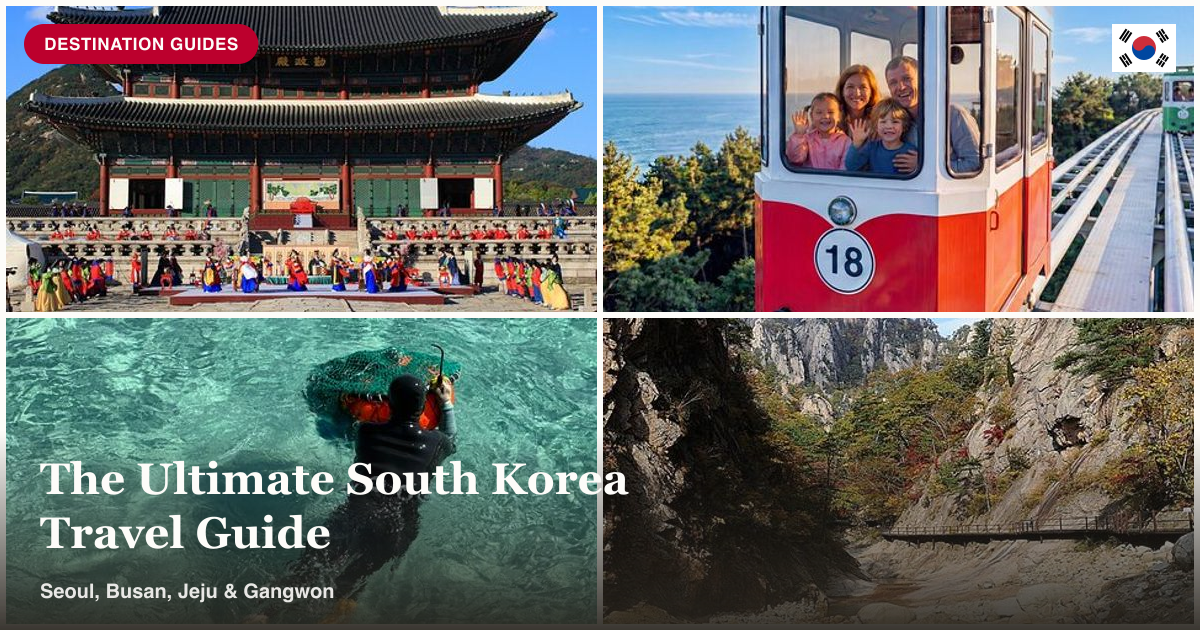
- Gyeongbokgung Palace in hanbok - rent a hanbok (traditional dress) and free palace entry comes with it, plus it’s the best photo setup in Seoul’s biggest royal palace.
- N Seoul Tower - cable car or hike up Namsan for the skyline view, with the love-lock fence at the base as the built-in second stop.
- Myeongdong street food - the densest street-food market in Seoul, with budget cosmetics shopping between skewers and hotteok.
- DMZ tour from Seoul - a half-day trip to the Demilitarized Zone border area, one of the most-booked day trips out of the capital.
- Busan’s Gamcheon Culture Village - a hillside neighborhood of pastel houses, murals, and small galleries above Haeundae Beach.
- Seoraksan National Park - the country’s most popular hiking destination, especially for autumn foliage, with a cable car shortcut to the ridge for anyone skipping the full trail.
- Jeju Island - a volcanic island with waterfalls, lava tube caves, and Hallasan, the country’s tallest peak.
For a longer list of named sights beyond these seven, see our 20 places you can’t miss on a first trip and the 15 must-visit attractions grouped by city. For booking any of these against real price and review data instead of guesswork, see our Klook vs GetYourGuide and Viator vs GetYourGuide comparisons.
When to go: avoid stacking April or late October
| Season | What you get | Trade-off |
|---|---|---|
| Spring (April) | Cherry blossoms, the most photographed season | Peak price, peak crowds |
| Autumn (Oct-Nov) | Foliage in Seoraksan and Gyeongju | Same peak pricing as spring |
| Summer (Jul-Aug) | Warm-weather activities | Hot, humid, monsoon stretch |
| Winter (Dec-Feb) | Ski resorts near Pyeongchang and Yongpyong open | Cold outside the resorts |
If your dates are flexible, avoid stacking a first trip on top of April or late October, both are the country’s most expensive, most crowded windows for exactly the reasons that make them appealing. Summer and winter are the value plays, summer for city-based itineraries where you’re mostly indoors or on a beach, winter if skiing is part of the plan.
A sample 10-day route
Seoul (5 nights, Myeongdong or Hongdae) → KTX to Busan (3 nights, Haeundae) → KTX back to Seoul for a final night before departure. Slot the DMZ tour into a Seoul weekday, and use one Busan day for Gamcheon plus a Haeundae evening.
Extend to 12-14 days by adding Jeju as a third base, flown in and out of either Seoul or Busan depending on your final departure airport. Our theme park comparison and landmarks and hidden gems guide both work as add-on modules once your city bases are locked in.
Before you go, build your kit against our packing list so seasonal gear (rain layer for summer, real coat for winter) isn’t a last-minute scramble.
Book these while you’re there
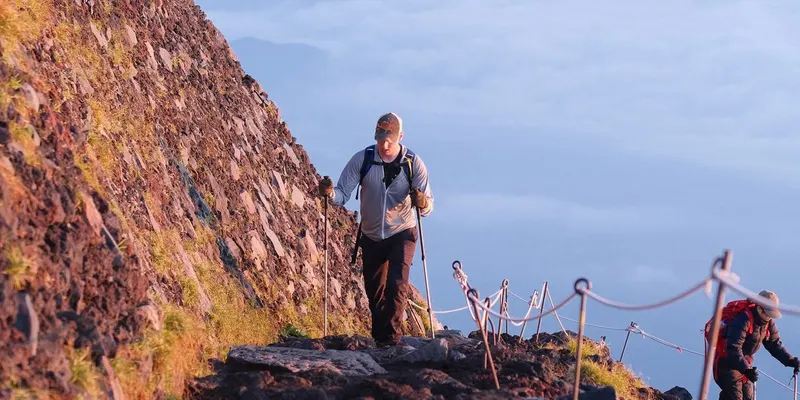
From Seoul: Seoraksan National Park & Sokcho Beach Day Trip
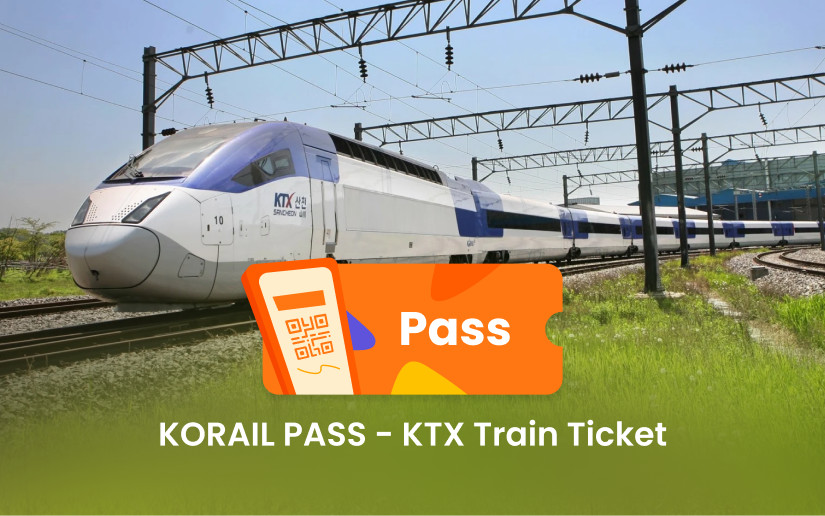
KORAIL PASS - KTX Train Ticket

Private DMZ Tour with North Korean Defector + N Korean Lunch
From Seoul:Seoraksan National Park and Sokcho Beach Day Trip

Seoul City Tour Bus Downtown Palace Namsan Hop-On Hop-Off Tours

Korean Cooking Class with Grocery Shopping at Seoul Local Market
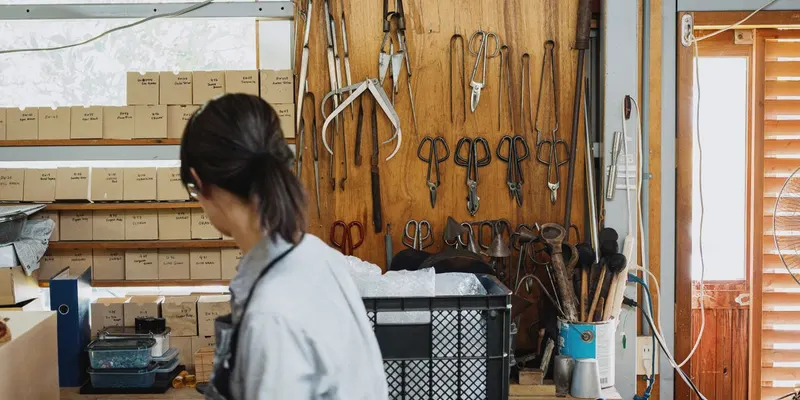
Seoul: Mother-of-Pearl Jewelry Workshop in Myeong-dong

Colorize Personal Color Analysis Makeup in Myeongdong Seoul
#south korea#itinerary#first timer#seoul
Frequently Asked Questions
How many days do you need in South Korea?
Seven days covers Seoul properly. Ten days adds Busan or Jeju as a second base. Two weeks is the sweet spot if you want Seoul, Busan, and Jeju without every day being a transit day.
Is South Korea expensive to visit?
It spans a wide range, budget street-food dinners sit next to ski-resort weekends. Seoul subway and street food keep daily costs low; accommodation in Gangnam or a Jeju resort week pushes costs up fast. Build your budget around where you sleep, not where you eat.
Do you need a car in South Korea?
No, and for Seoul specifically it's a disadvantage. The subway covers the capital so thoroughly that most visitors never take a taxi inside the city, and KTX plus intercity buses handle everything between cities.
What's the single most useful thing to buy on arrival?
A T-money card. It works on subway, bus, and most taxis nationwide, and it's the one purchase that removes friction from every day of the trip.