South Korea Landmarks, Hidden Gems & Adventure Ideas
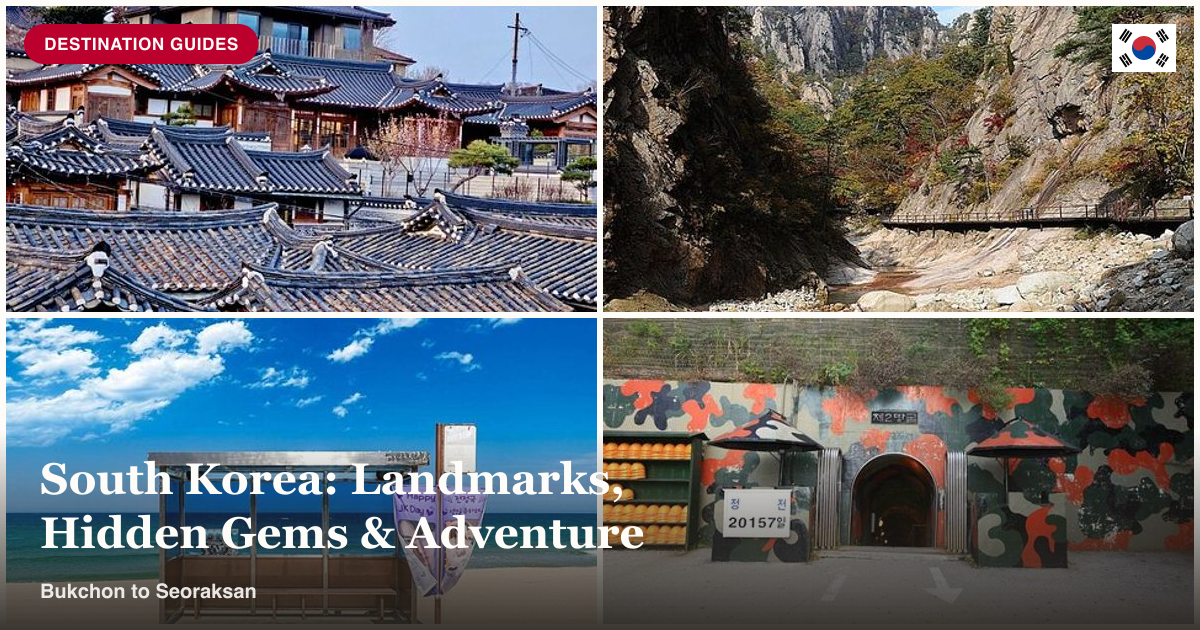
Gyeongbokgung Palace and the DMZ are the two landmarks most first trips build around. Boseong’s tea fields and Damyang’s bamboo forest are the two spots that barely register on a first-timer’s radar despite being genuinely worth the detour. Seoraksan is the adventure day that connects the two categories, hikeable, photographable, and unmistakably South Korean.
Iconic landmarks: pick one if you only have a single day
Gyeongbokgung Palace - Seoul’s biggest royal palace. Rent a hanbok (traditional dress) and entry is free, and the palace grounds are the single most photographed setting in the capital.
N Seoul Tower - reachable by cable car or a Namsan hike, with the love-lock fence at the base as the second half of the visit.
DMZ tour from Seoul - a half-day trip to the Demilitarized Zone border area, and one of the most-booked day trips out of the capital for a reason: there’s no substitute experience anywhere else in the country. See which DMZ tour to book for the JSA-vs-standard breakdown.
Verdict: if you only have room for one landmark day, choose between Gyeongbokgung and the DMZ based on whether you want history-as-architecture or history-as-geopolitics. Both are worth the half day; neither is skippable on a first trip.
Hidden gems worth the detour
These aren’t famous-but-underrated stops, they’re places that genuinely don’t make most first-timer lists.
Boseong’s green tea fields - terraced tea plantations that photograph like nowhere else in the country, and a destination almost entirely built around domestic tourism rather than international visitors.
Damyang’s bamboo forest - a dense bamboo grove and walking path, quiet compared to anything in central Seoul, and a full change of pace from palace-and-tower sightseeing.
Verdict: both require a real detour, they’re not add-ons to a Seoul-Busan-Jeju route, they’re a reason to build a fourth stop into a longer itinerary. Worth it if you have 10+ days and want at least one day that doesn’t look like everyone else’s South Korea photos.
One adventure day: Seoraksan
Seoraksan National Park is the country’s most popular hiking destination, especially for autumn foliage, and it comes with a built-in shortcut: a cable car up to the ridge for anyone who wants the view without the full trail commitment.
Here’s how to structure the day depending on your fitness and time:
| Approach | Time needed | What you get |
|---|---|---|
| Full ridge hike | Most of a day | The complete trail experience, quieter sections higher up |
| Cable car + short trail | Half day | The ridge view without the climb, still requires some walking at the top |
| Cable car only | 2-3 hours | Fastest option, least physical, still delivers the main view |
Verdict: if you’re not a regular hiker, take the cable car up and walk the short trail from there rather than committing to the full ridge. You get most of the payoff for a fraction of the time and effort. Autumn brings the best foliage and the biggest crowds in the same window, so budget extra time either way if you’re going in October or November.
If you’d rather not sort out the bus-plus-cable-car logistics from Seoul yourself, Viator lists a guided small-group Ulsanbawi hike with hotel pickup (₩357,378 ($238), 19 reviews, 5 stars) that removes the transit planning at the cost of a higher price than doing it independently.
Why the hidden gems stay under the radar
Part of it is geography. Boseong and Damyang both sit in the country’s southwest, off the Seoul-Busan KTX spine that most first-time routes follow, so reaching either means a deliberate detour rather than a stop that falls naturally along the way. Part of it is that neither photographs as “iconic South Korea” the way a palace or a neon-lit tower does, tea fields and bamboo groves read as generically Asian in a photo rather than specifically Korean, so they don’t circulate the way Gyeongbokgung does.
That’s exactly why they’re worth including on a longer trip. You get a day that looks different from every other South Korea trip report, at the cost of extra transit planning that a first-timer on a tight schedule usually can’t absorb. If your trip is under 10 days, this is the category to skip first; if it’s 12-14 days or longer, it’s the category that makes your itinerary distinct from a template first-timer route.
Blending all three into one route
A realistic way to combine landmark, hidden gem, and adventure days without overloading a trip:
- Seoul base (days 1-4): Gyeongbokgung Palace, N Seoul Tower, DMZ tour, plus Myeongdong for food.
- Detour day (day 5 or 6): Boseong or Damyang, whichever fits your route out of Seoul better, this is the day that won’t look like a template itinerary.
- Seoraksan (day 7 or as a standalone leg): cable car plus short trail if you’re not committing to the full hike, best slotted in during shoulder season if foliage timing matters to you.
This isn’t a complete itinerary on its own, it’s a module you can drop into a longer trip. For the full day-count and transit logistics, see the ultimate South Korea travel guide. For more named sights beyond landmarks and hidden gems, our 20 places you can’t miss and 15 must-visit attractions by city posts cover the rest of the country in more conventional groupings.
Pack for both ends of this list, palace photos and mountain trails need different layers. Check our packing list before you go, especially if Seoraksan is on the route and you’re traveling outside summer.
Seasonal timing: no single season serves all three
Landmarks like Gyeongbokgung and the DMZ are effectively season-proof, they’re indoor-adjacent or short enough outdoor visits that weather rarely forces a reschedule. Hidden gems are more season-sensitive than they look, Boseong’s tea fields and Damyang’s bamboo forest both have a clear best season for color and light, so research the specific month before locking in a detour day rather than assuming any time of year looks the same in photos.
Seoraksan is the most season-dependent of the three categories by far. Autumn (October to November) brings the foliage that makes the park famous, but it’s also peak crowd and peak price season nationally, the same window that drives up cost everywhere else in the country. Spring offers a quieter, greener alternative hike if you’re willing to trade the foliage colors for smaller crowds on the trail. Winter closes off some of the higher sections depending on conditions, so if skiing near Pyeongchang or Yongpyong is already on your itinerary, don’t assume you can also fit in a full Seoraksan hike on the same trip.
Verdict: don’t build a single seasonal window and expect it to serve landmarks, hidden gems, and Seoraksan equally well. Pick the season based on whichever of the three matters most to you, and treat the other two as flexible around it. For the full month-by-month breakdown, see Best Time to Visit South Korea.
Book these while you’re there
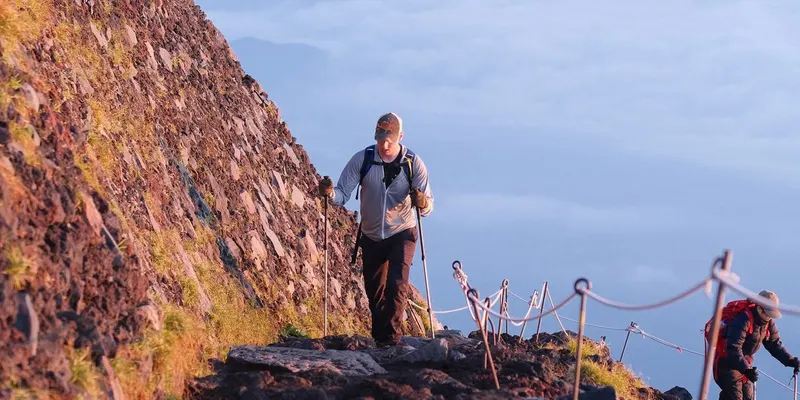
From Seoul: Seoraksan National Park & Sokcho Beach Day Trip

KORAIL PASS - KTX Train Ticket

Private DMZ Tour with North Korean Defector + N Korean Lunch
From Seoul:Seoraksan National Park and Sokcho Beach Day Trip
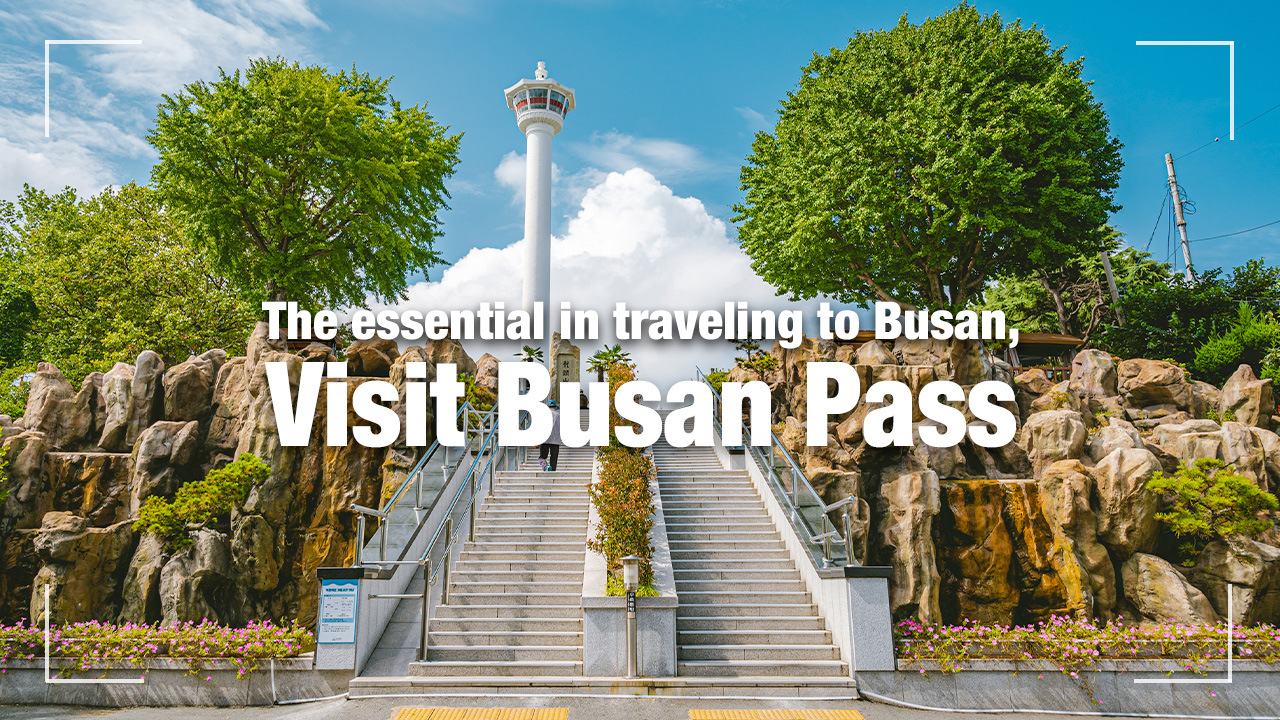

Korean Cooking Class with Grocery Shopping at Seoul Local Market
From Seoul: Daegwallyeong Ranch & BTS Bus Stop Private Tour
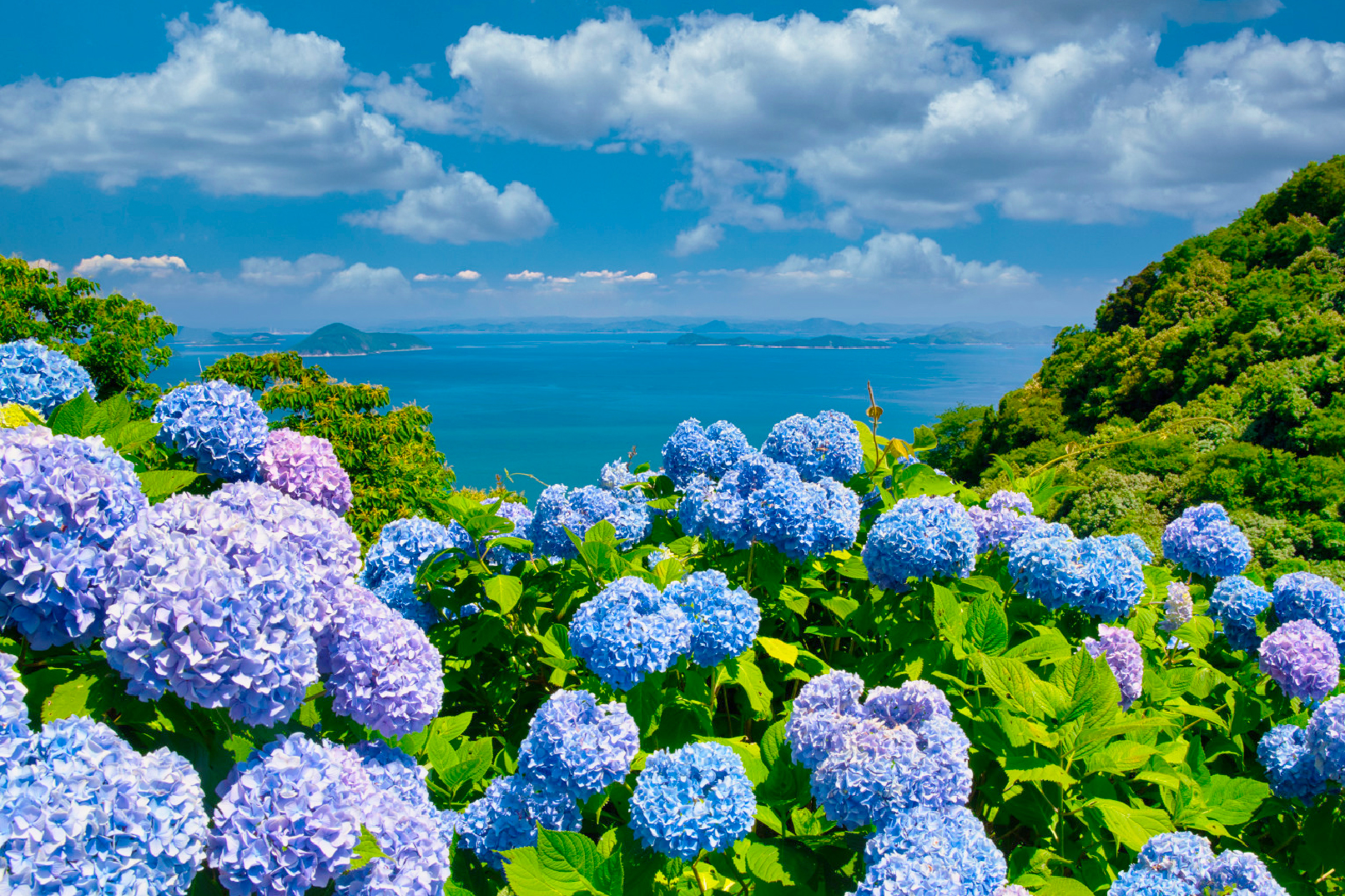
Jeju Eastern/ Western/ Hydrangea/ Seongsan Ilchulbong/ Private Tour
#south korea#hidden gems#hiking#seoraksan
Frequently Asked Questions
What's a genuine hidden gem in South Korea, not just an underrated famous spot?
Boseong's green tea fields and Damyang's bamboo forest, both real, both photographed by domestic tourists more than international ones. Neither shows up on most first-timer itineraries, which is exactly what makes them worth the detour if you have the days.
Is Seoraksan hard to hike?
The full ridge is a serious day hike, but the cable car shortcut gets you most of the view without the full trail commitment. Autumn is the busiest window for foliage, so expect crowds regardless of which route you take.
Is the DMZ tour worth doing if you only have one landmark day in Seoul?
Yes, it's one of the most-booked day trips from Seoul precisely because there's nothing else in the country like it. If you only have one full day free for a single big landmark experience, this or Gyeongbokgung Palace are the two contenders.
Do you need to be an experienced hiker for Jeju's Hallasan?
No, but you need to budget a full day and reasonable fitness. It's South Korea's tallest peak, not a technical climb, and the reward is standing on the country's highest point rather than a difficult scramble.