Suica Card Guide 2026: How to Get & Use It
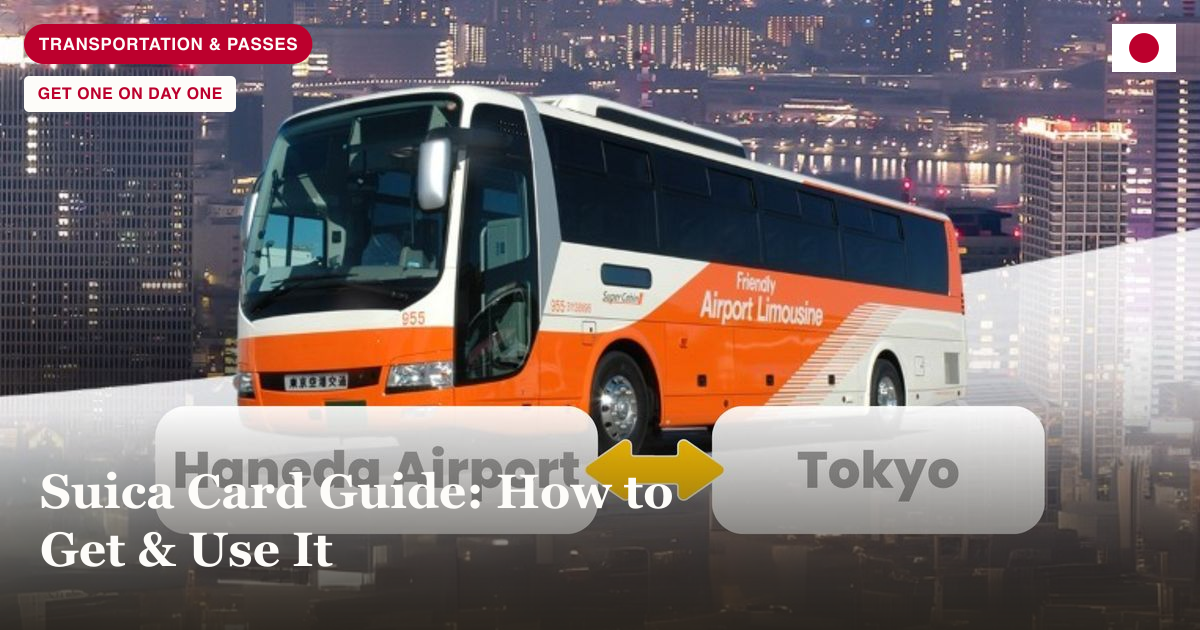
One card taps you through every train, subway, bus, vending machine, and konbini till in Japan. No tourist pass math, no ticket machines, no counting coins. Setting it up takes five minutes and it is the single highest-value five minutes of trip prep.
Verified: August 27, 2026.
What a Suica actually is
A rechargeable tap card (like Oyster or EZ-Link) run by JR East. Load yen, tap in, tap out, fare deducts automatically. The same tap pays at 7-Eleven, vending machines, coin lockers, and most taxis.
Regional twins, ICOCA (Kansai), Pasmo (Tokyo metro), and seven others, are fully interchangeable. Buy whichever your arrival station sells; it works nationwide.
Getting one: three ways
1. iPhone / Apple Watch (best option)
Wallet app → “+” → Transit Card → Suica → load with Apple Pay. Done before you leave home, no deposit, top up from your phone anywhere. Express Mode means you tap without unlocking. Android works too, but only on Japanese-region Osaifu-Keitai phones, most foreign Androids can’t, so get the physical card.
2. Welcome Suica (physical, tourists)
- No ¥500 deposit
- 28-day validity, fits any normal trip
- Sold at Narita, Haneda, and major JR East stations
3. Regular Suica / ICOCA
- ¥500 deposit (refundable at a JR counter, minus ¥220 fee)
- No expiry (10 years idle)
- Buy at any station machine, English menu, cash
Arriving at Kansai Airport? The machine sells ICOCA. Same thing, different penguin. Airport-to-city options: KIX transfer guide and Narita/Haneda guide.
Using it: the three rules
- Tap in AND out on trains, fare calculates on exit. Forgot to tap out? A station attendant fixes it in 30 seconds; it happens to everyone once.
- Keep ¥500+ balance, gates reject you at insufficient balance on entry, and some rural exits have no top-up machine.
- One card per person. No sharing a card through the gate.
Why it beats tourist passes for city travel
| Suica pay-as-you-go | 72h Tokyo subway pass (¥1,500) | |
|---|---|---|
| Typical day cost | ¥600–1,000 | ¥500/day flat |
| Covers JR lines (Yamanote!) | Yes | No, subway only |
| Konbini/vending payments | Yes | No |
| Mental overhead | Zero | ”Is this station covered?” |
The subway-only passes exclude JR lines, including the Yamanote loop that connects everything you want to see. Most visitors accidentally ride JR daily and pay extra anyway. Suica has no such trap.
Where passes DO win: intercity travel. That’s regional JR pass territory, full comparison here.
Beyond trains: the konbini trick
Tap to pay at 7-Eleven, FamilyMart, and Lawson. Faster than cash, no coin pocket, and your transit budget and snack budget live on one card. Load ¥3,000 at a time and stop thinking about it. This pairs with the konbini eating system, the two together are the entire budget-Japan operating manual.
Final thoughts
Suica setup order: iPhone users add it in Wallet tonight; everyone else grabs a Welcome Suica at the airport before the first train. Load ¥3,000, tap everything, and spend zero further brain cycles on city transit.
Next: what Japan costs per day · 7-day itinerary using all of this.
Verified as of August 27, 2026.
Book these while you’re there
Experience the Soul of Hiroshima: A Peaceful Koto Workshop

Dazaifu Tenmangu Shrine, Yufuin Town, Beppu Ropeway, Kamado Jigoku (with complimentary onsen egg and lemon soda) | Departing from Fukuoka

Samurai Training Experience KENDO in Osaka

Tokyo: Nikko Day Trip with Lake Chuzenji Boat Ride
VASARA Kimono and Yukata Rental in Fukuoka

Tokyo: Make Your Own Chopsticks Shibuya
Enoshima: History,Culture,Views& 2h Hiking with a LocalGuide
Yanagawa River Boating Experience (Shared/Private Course)
Richmond Hotel Premier Kyoto Shijo
save ¥13,556 vs sell price
Check rateHilton Tokyo Narita Airport
save ¥7,910 vs sell price
Check rateOriental Hotel Okinawa Resort & Spa
save ¥5,889 vs sell price
Check rateFrequently Asked Questions
Can tourists still buy a Suica card?
Yes. The Welcome Suica (no deposit, 28-day validity) is sold at Narita, Haneda, and major JR stations, and regular Suica sales have resumed. iPhone users can skip the physical card entirely and add Suica in Apple Wallet in about two minutes.
Suica or ICOCA or Pasmo, does it matter?
No. All major IC cards work interchangeably across Japan's trains, subways, buses, and konbini nationwide. Get whichever card your arrival station sells: Suica/Pasmo in Tokyo, ICOCA in Kansai.
How much should I load on a Suica?
Start with ¥2,000 to ¥3,000. A heavy Tokyo sightseeing day uses ¥600 to ¥1,000 of rides. Top up at any station machine or konbini; machines have English menus.
Can I use Suica to pay in shops?
Yes, konbini, vending machines, station shops, many restaurants and taxis take IC tap payment. It is the fastest way to pay for small purchases in Japan.