Japan Budget Travel Guide 2026: Real Daily Costs
Japan budget travel is easier than the internet makes it look. With the yen where it is, Japan is currently cheaper per day than Thailand for some travel styles, if you sleep, eat, and move the way this guide describes.
Every number below is in yen with a USD estimate. Verified: August 14, 2026. Current season: Summer (Heat & Festivals).
What Japan costs per day (real numbers)
| Style | Per day | What it looks like |
|---|---|---|
| Backpacker | ¥6,000–¥8,500 (¥5,986 ($37)–¥8,575 ($53)) | Dorm bed, konbini meals, 1 cheap activity |
| Comfortable budget | ¥9,500–¥13,500 (¥9,546 ($59)–¥13,429 ($83)) | Business hotel single, 1 restaurant meal/day |
| Mid-range | ¥15,000–¥25,000 (¥16,179 ($100)–¥27,019 ($167)) | 3-star hotel, restaurants, paid activities daily |
A 10-day backpacker trip lands around ¥75,000 (~$464) on the ground, flights excluded. That’s the honest floor without couch-surfing.
Sleeping: ¥3,000 to ¥4,000 a night
Hostel dorms in Tokyo, Osaka, and Kyoto run ¥3,000–¥4,000 on weekdays, dorm rates have crept up from a couple years ago, budget an extra ¥500/night versus older guides. Three rules cut this further:
- Book Monday–Thursday nights. Weekend rates run 20–40% higher.
- Stay 3+ nights in one place. Multi-night rates beat hopping, and you skip luggage logistics.
- Look at business hotels for pairs. A ¥7,000 twin at a business hotel beats two dorm beds on privacy per yen.
Capsule hotels (¥3,000–¥4,500) are worth one night for the experience, not a whole trip, no locker space for big luggage.
Eating: three meals under ¥2,000
Konbini (7-Eleven, FamilyMart, Lawson) food is genuinely good. This is not a compromise, it’s a system:
| Meal | Cost |
|---|---|
| Onigiri × 2 + coffee (breakfast) | ¥400–¥500 |
| Chain ramen, gyudon, or curry (lunch) | ¥500–¥900 |
| Konbini bento (dinner, after 8 PM discount) | ¥400–¥600 |
| Day total | ¥1,300–¥2,000 |
Cheat codes:
- Discount stickers. Supermarkets and konbini mark down bento 30–50% in the evening (supermarkets from ~7 PM, konbini closer to expiry).
- Teishoku (set menus) at lunch: the same restaurant charges ¥900 at noon for what costs ¥1,800 at dinner.
- Standing soba/udon at stations: ¥350–¥500, faster than fast food.
- Water: tap water is safe everywhere. ¥0.
Budget one splurge meal per trip (sushi counter, wagyu, kaiseki, ¥3,000–¥8,000). One great meal beats ten mediocre ones.
Moving around: where budgets die
Transit is the biggest budget variable in Japan. Intracity is cheap; intercity is not.
- Inside cities: Suica or ICOCA card, ¥180–¥300 per trip, ¥500–¥800 per heavy day. No pass needed.
- Between cities: run the pass math. The JR West Kansai Area Pass (¥2,710 ($16.75) for 4 days of Osaka–Kyoto–Nara–Kobe) is the single best transit deal in Japan. Full breakdown in our JR Pass comparison.
- Overnight buses (Tokyo–Osaka ¥4,000–¥7,000) replace both a shinkansen ticket (~¥14,000) and a night’s accommodation. The double save is the backpacker’s secret weapon.
- Airport transfers: book online before you land. The Narita Limousine Bus (¥2,911 ($17.99)) and JR Haruka to Kyoto (¥1,246 ($7.70)) both cost less online than at the counter.
Activities: free first, then ¥1,500–¥3,500
Japan’s best sights are disproportionately free: Senso-ji, Meiji Shrine, Fushimi Inari, Shibuya Crossing, Nara’s deer park, Osaka’s Dotonbori, every city park and most temple grounds.
For paid activities, ¥1,500–¥3,500 (¥1,618 ($10)–¥3,721 ($23)) covers most of the good ones, teamLab Planets is ¥3,590 ($22.19), Tokyo Tower is ¥1,497 ($9.25), Osaka Castle is under ¥324 ($2). Our picks with current prices: Tokyo activities guide and the full activities list.
Rule: one paid activity per day, maximum. Free Japan fills the rest of the day better than a third museum.
Money: cash, cards, and not getting skimmed
- Withdraw at 7-Eleven ATMs (foreign cards accepted, fair rates, everywhere). Skip airport currency counters and hotel ATMs.
- Carry ¥20,000–¥50,000 cash, small restaurants and shrines are cash-only.
- Pay by card where accepted; a low-FX-fee card (Wise or similar) saves 2–3% on everything.
- Tax-free shopping: purchases over ¥5,000 at tax-free counters skip the 10% consumption tax. Bring your passport.
- Departure tax: the Sayonara tax tripled to ¥3,000 per person on July 1, 2026, up from ¥1,000. It’s baked into your outbound flight or ferry ticket automatically, not a separate charge at the airport, but it’s worth knowing your ticket price already includes it.
Sample 10-day backpacker budget
| Line item | Cost |
|---|---|
| Hostels (9 nights, avg ¥3,500) | ¥31,500 |
| Food (10 days × ¥2,000) | ¥20,000 |
| City transit (10 days × ¥700) | ¥7,000 |
| Kansai Area Pass + overnight bus | ¥10,000 |
| Activities (4 paid, rest free) | ¥8,000 |
| Buffer | ¥8,000 |
| Total on the ground |
Final thoughts
The formula: dorms on weekdays, konbini as your kitchen, Suica in the city, overnight bus or a regional pass between cities, and free sights first. Do that and ¥7,000/day is not a stunt, it’s just a normal, good trip. For the one guided day, GetYourGuide’s native-guide Osaka walking tour is ¥7,133 ($44.09) and the most-booked activity on either platform, 971 reviews. Viator’s Osaka catalog runs smaller (45 activities) and pricier, worth a look only once you’ve priced the two picks above.
Start planning with the JR Pass comparison to lock your transit costs, then pick activities from our verified Klook list.
Prices verified as of August 14, 2026. Updated monthly, the yen moves, and so do these numbers.
Book these while you’re there
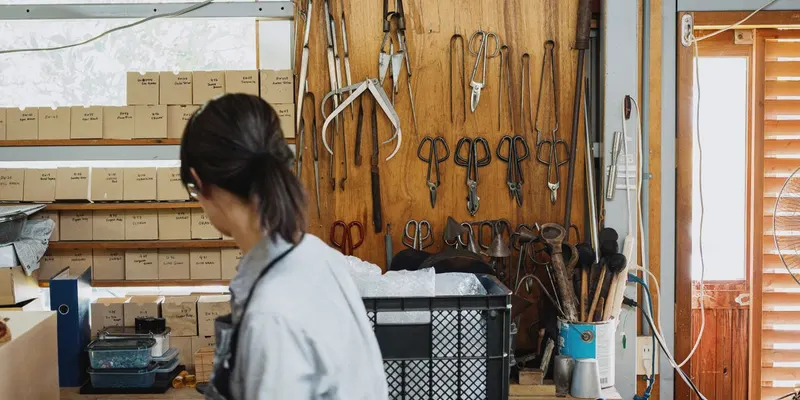
Experience the Soul of Hiroshima: A Peaceful Koto Workshop
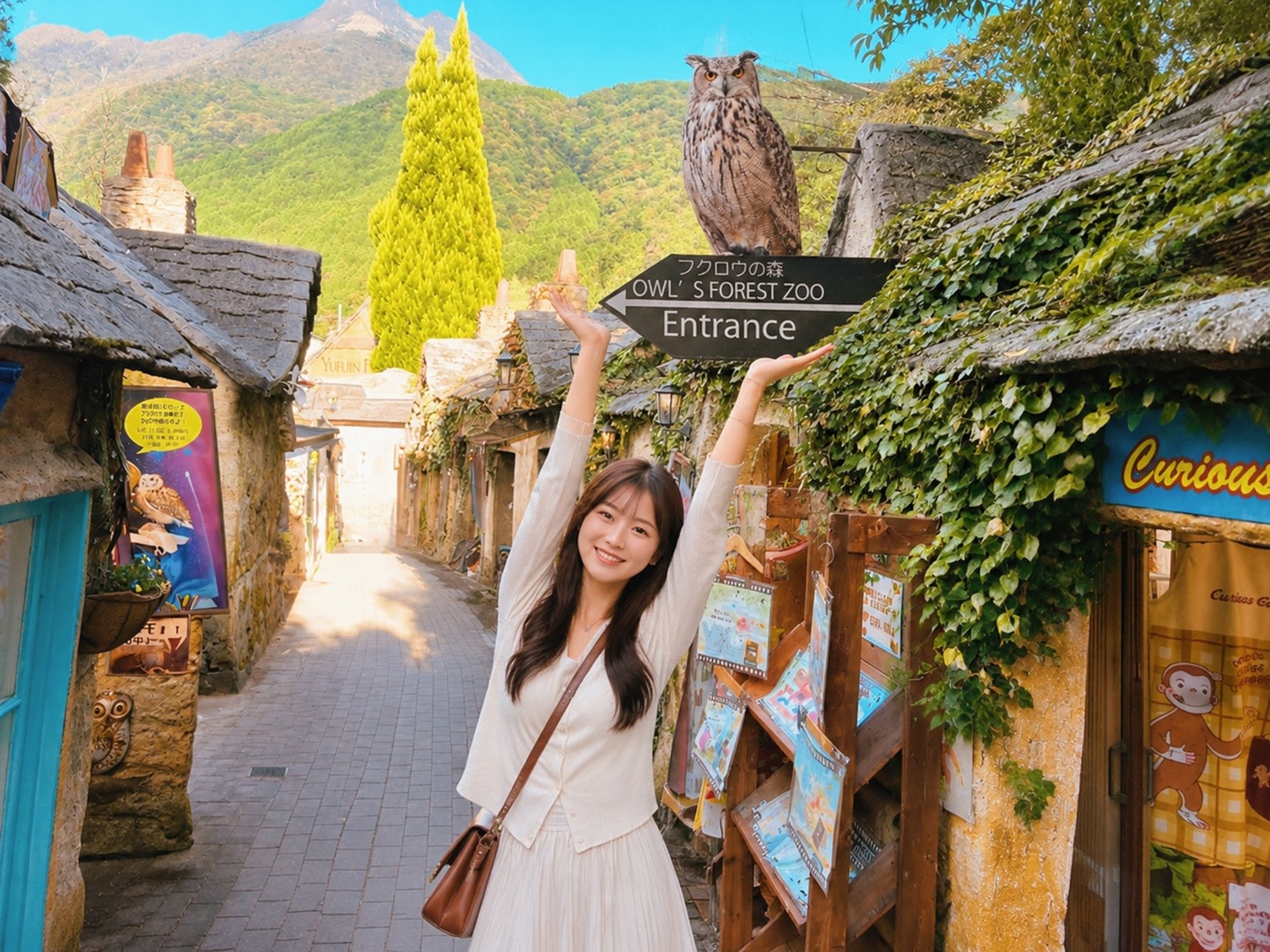
Dazaifu Tenmangu Shrine, Yufuin Town, Beppu Ropeway, Kamado Jigoku (with complimentary onsen egg and lemon soda) | Departing from Fukuoka

Samurai Training Experience KENDO in Osaka
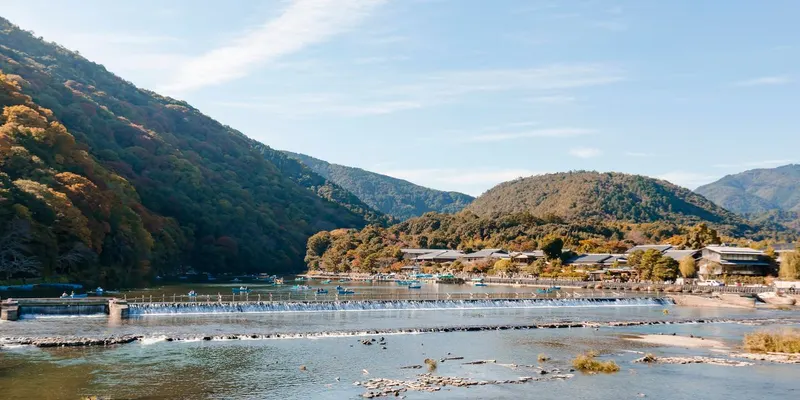
Tokyo: Nikko Day Trip with Lake Chuzenji Boat Ride
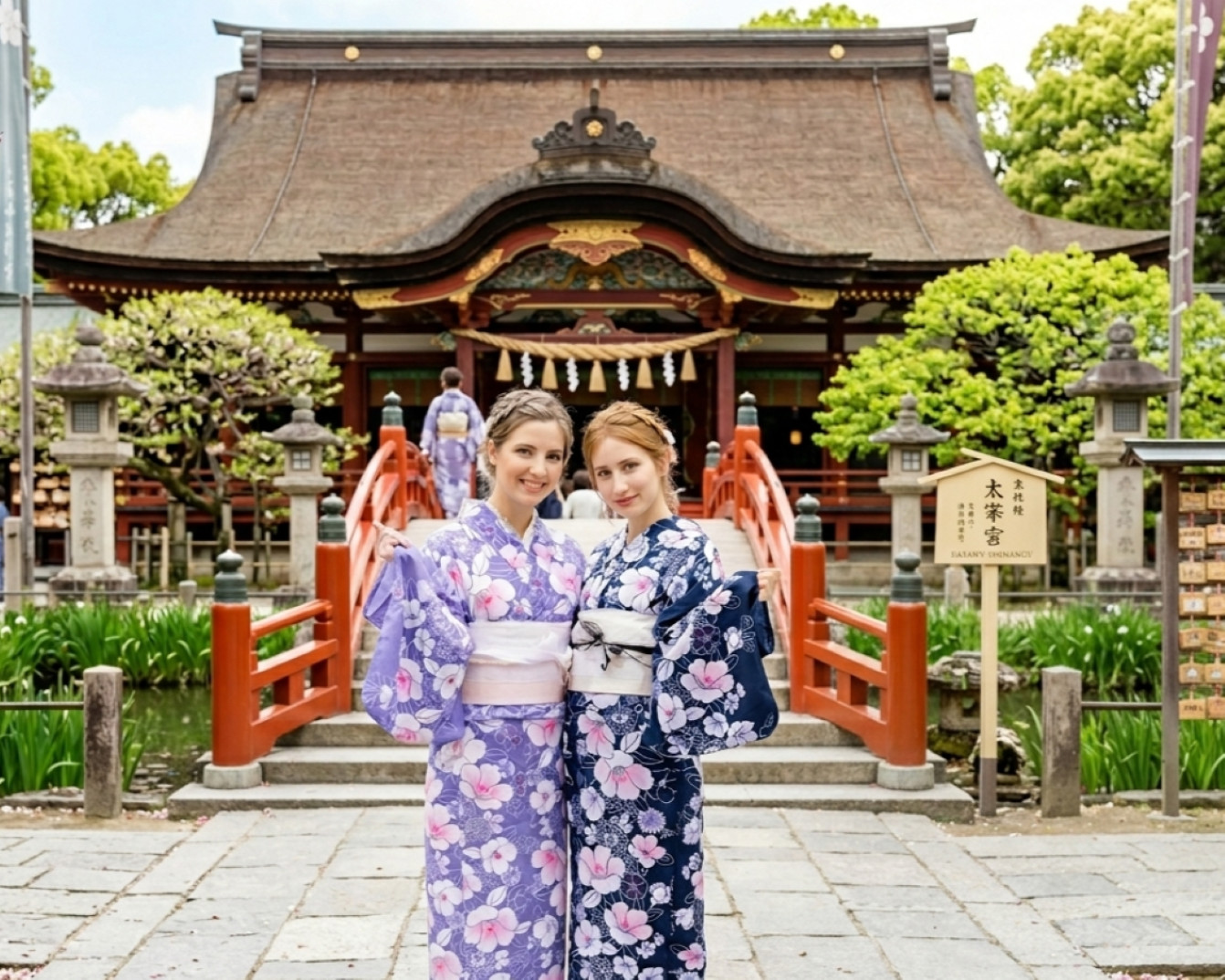
VASARA Kimono and Yukata Rental in Fukuoka

Tokyo: Make Your Own Chopsticks Shibuya
Enoshima: History,Culture,Views& 2h Hiking with a LocalGuide
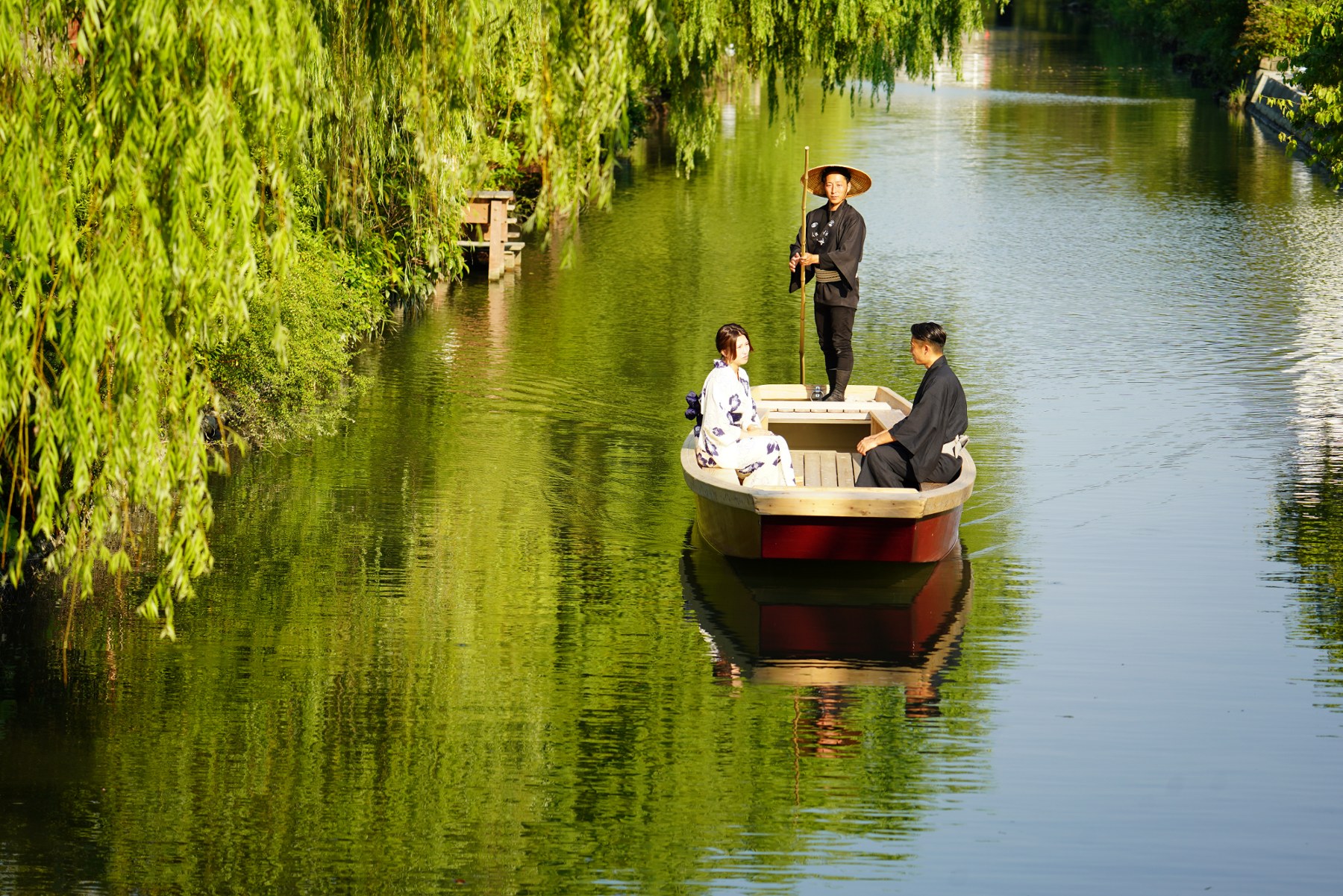
Yanagawa River Boating Experience (Shared/Private Course)
Richmond Hotel Premier Kyoto Shijo
save ¥13,556 vs sell price
Check rateHilton Tokyo Narita Airport
save ¥7,910 vs sell price
Check rateOriental Hotel Okinawa Resort & Spa
save ¥5,889 vs sell price
Check rate#budget travel#japan guides#money saving
Frequently Asked Questions
How much does a Japan trip cost per day on a budget?
A realistic backpacker budget is ¥6,000 to ¥8,500 per day (about ¥5,986 ($37) to ¥8,575 ($53) USD): hostel dorm ¥3,000 to ¥4,000, three konbini or cheap restaurant meals ¥2,000 to ¥2,500, transit ¥500 to ¥800, and one modest activity. Comfortable mid-range is ¥12,000 to ¥18,000 per day.
Is Japan cheaper than people think?
Yes, especially with a weak yen (around ¥160 to the dollar through mid-2026). Hostels cost less than in most of Western Europe, a filling konbini meal is under ¥600, and many top sights (shrines, temples, parks, crossings) are free. The expensive parts are intercity trains and hotels in peak season.
What is the cheapest month to visit Japan?
Mid-January to February is cheapest: flights and hotels drop after New Year, and only ski regions are in season. June (rainy season) is the second-cheapest window. Avoid late March to early April (cherry blossom), Golden Week (late April to early May), and mid-August (Obon).
Should I get cash or card for Japan?
Both. Cards and IC-card tap payment now work in cities, but small restaurants, shrines, and rural shops remain cash-only. Bring or withdraw ¥20,000 to ¥50,000; 7-Eleven ATMs accept foreign cards with fair rates and are everywhere.