Fukuoka on a Budget 2026: 12 Things to Do Under $25
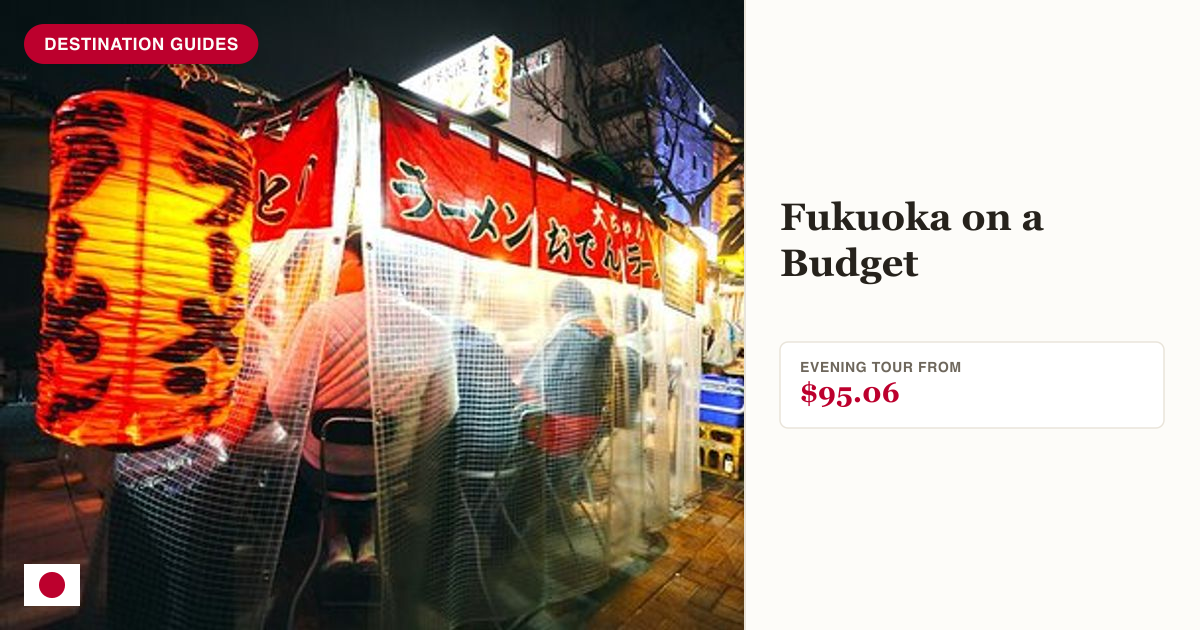
Fukuoka is what happens when a big Japanese city forgets to raise prices: ¥971 ($6) tower tickets, ¥600 birthplace-of-tonkotsu ramen, ¥3,883 ($24) pro baseball, and a beach park with an aquarium. It’s also the cheapest major city to sleep in on the entire Japan budget circuit.
What to do with two days and not much money. Prices verified: August 27, 2026.
The 12 things, priced
| Thing | Price | Notes |
|---|---|---|
| Yatai stall dinner | ~¥1,500 cash | The headline experience |
| Fukuoka Tower | ¥1,001 ($6.19) | Beachside, sunset slot |
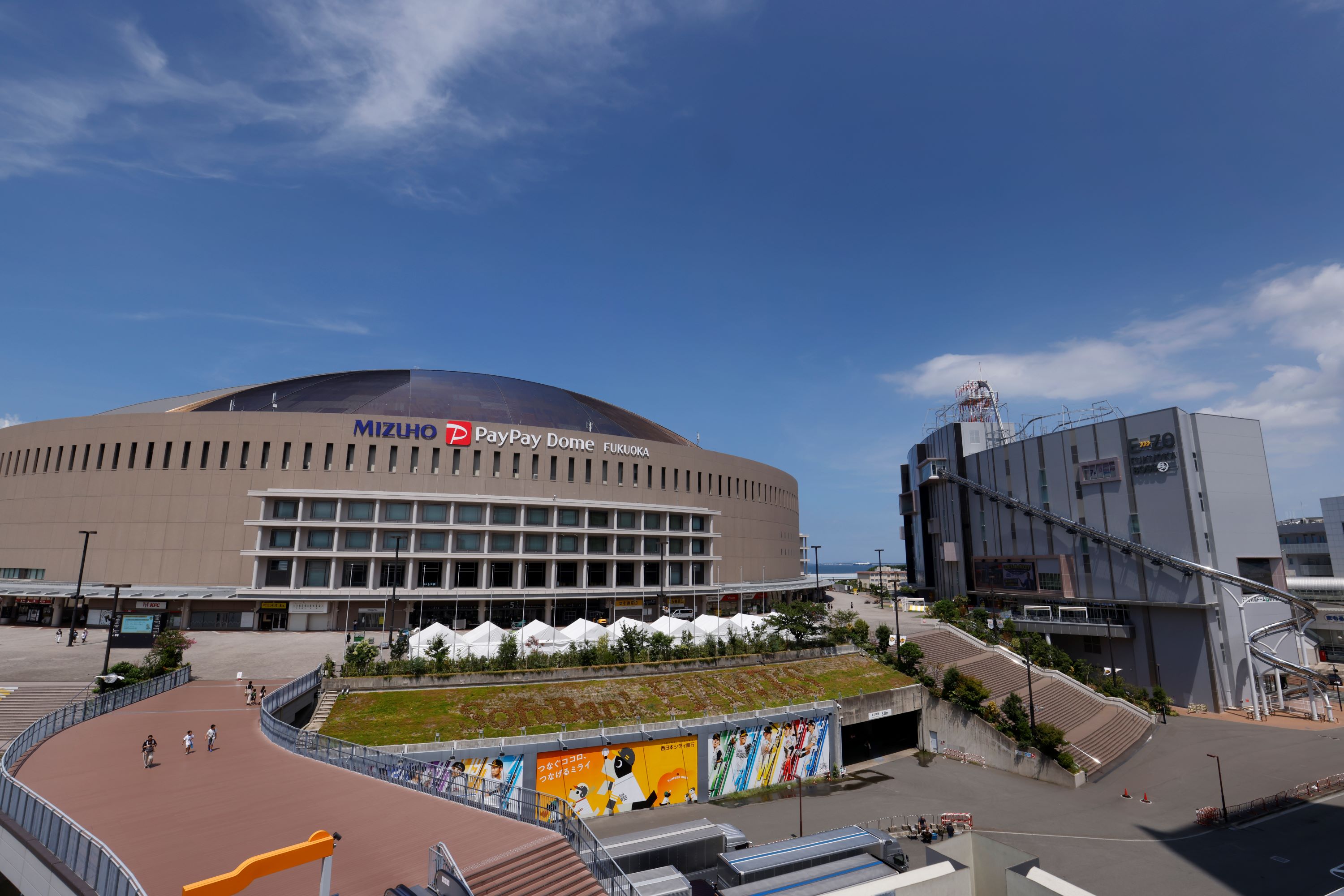
| SoftBank Hawks game | ¥3,907 ($24.15) | Japanese baseball culture |
| teamLab Forest | ¥2,393 ($14.79) | Same building as the dome |
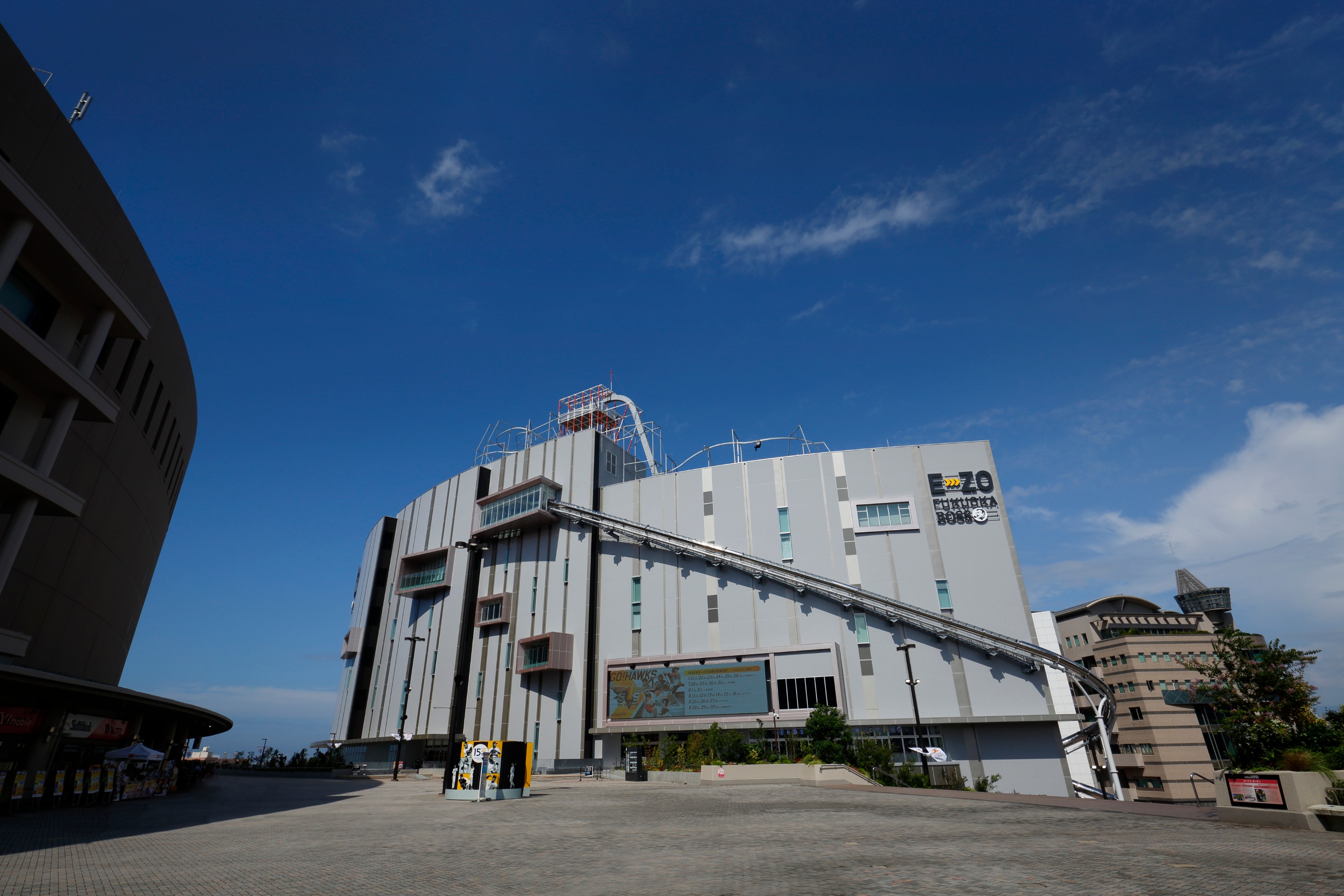
| BOSS E・ZO | ¥1,001 ($6.19) | Rooftop slide on a stadium |
| Uminonakamichi Marine World | ¥2,403 ($14.85) | Shark aquarium + beach park |
| Kyushu FunPASS | ¥1,270 ($7.85) | Multi-attraction bundle |
| Kyushu National Museum | ¥704 ($4.35) | At Dazaifu |
| Dazaifu & Yanagawa Pass | ¥3,762 ($23.25) | Day-trip transport bundle |
| Mojiko Retro deck | ¥599 ($3.70) | Port-town day trip |
| KidZania Fukuoka | ¥2,306 ($14.25) | Kids’ job-play city |
| Ohori Park + Kushida Shrine | Free | The walking layer |
Day 1: the city
Morning: Kushida Shrine (free, home of the Yamakasa festival floats) and a Hakata old-town walk. Lunch: tonkotsu at a ramen shop, birthplace rules say under ¥900.
Afternoon: Momochi beach side, Fukuoka Tower (¥1,001 ($6.19)) at sunset is the cheapest major observation deck in Japan. Next door: teamLab Forest (¥2,393 ($14.79)), the sporty, catch-the-animals teamLab (how it compares to the other four), and the BOSS E・ZO rooftop slide (¥1,001 ($6.19)) on the stadium wall.
Evening (in season): a SoftBank Hawks game (¥3,907 ($24.15)). Japanese baseball is a coordinated-chant festival with beer vendors sprinting the aisles; you don’t need to care about baseball.
Night: the yatai stalls along Nakasu river, ~20 open-air food carts, ramen/yakitori/oden, ¥1,500 with a drink. Cash only, sit where there’s a stool. Want it guided instead of solo? Viator’s Fukuoka evening tour covers yatai, izakaya, and karaoke for ¥15,380 ($95.06), 29 reviews, useful if you’d rather not stall-hop alone on night one.
Day 2: pick a day trip
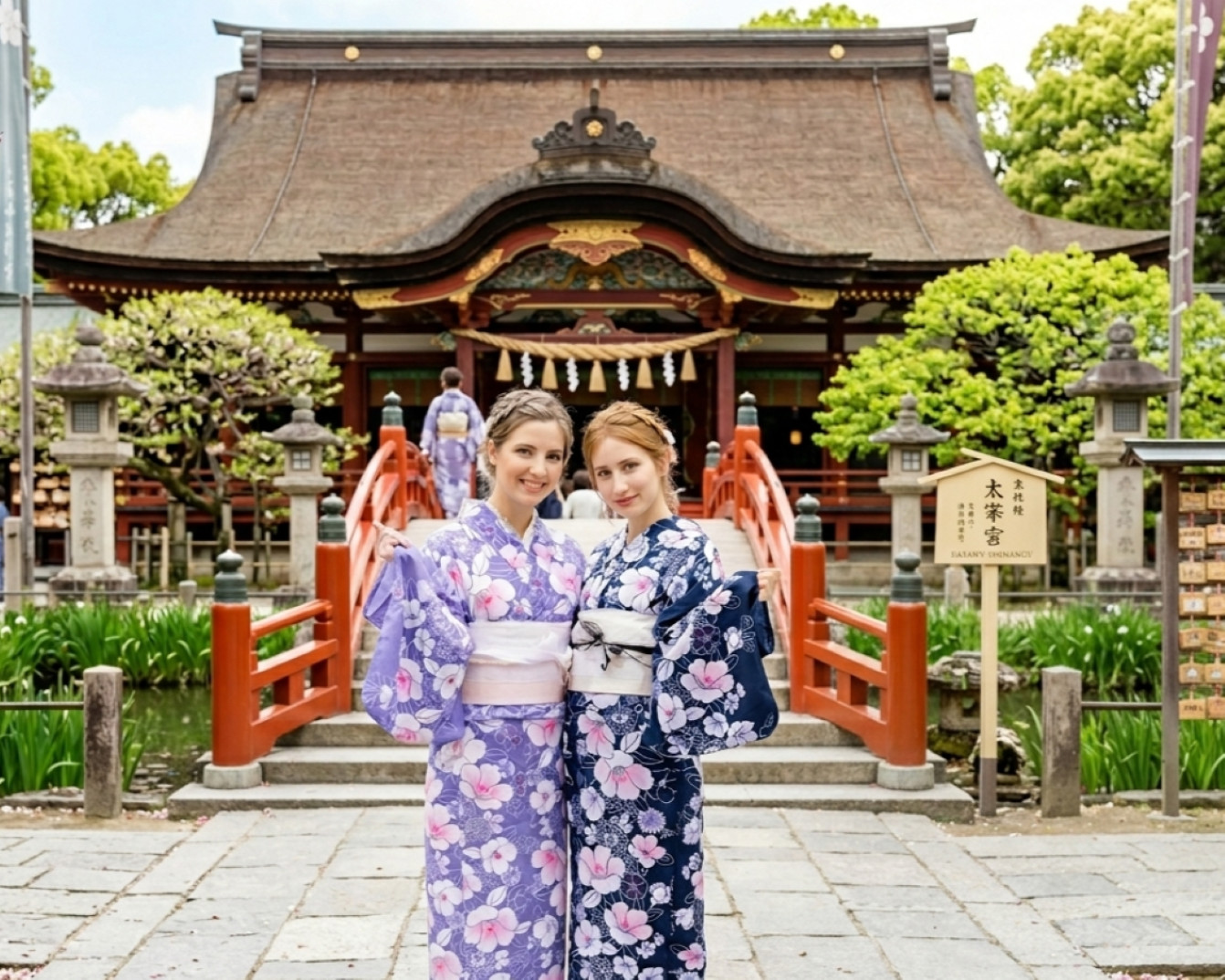
Option A, Dazaifu. Tenmangu Shrine (free, the scholarship shrine), the Kyushu National Museum (¥704 ($4.35)), and umegae-mochi from the approach street. The Dazaifu & Yanagawa Pass (¥3,762 ($23.25)) adds the Yanagawa canal-boat town to the same day.
Option B, Uminonakamichi. Beach park peninsula with the Marine World aquarium (¥2,403 ($14.85), how it ranks nationally), rental bikes, and flower fields. Ferry across the bay is the scenic route.
Option C, Mojiko Retro. Meiji-era port town an hour north; the observation room is ¥599 ($3.70) and yaki-curry is the local lunch.
The pass math
- Kyushu FunPASS (¥1,270 ($7.85)): bundle pricing that breaks even at two included stops. Cheapest attraction pass in the country, check the current inclusion list, it rotates.
- Fukuoka Tourist City Pass (¥2,564 ($15.85)): unlimited city transit + discounts. Fukuoka is compact, only buy this for a bus-heavy Uminonakamichi/Momochi day.
- Going wider: the JR Kyushu Rail Pass (¥12,029 ($74.35)) opens Nagasaki, Kumamoto, and Beppu, break-even math here.
Two-day budget
| Item | Cost |
|---|---|
| Hostel × 2 (Hakata, cheap even weekends) | ¥5,600 |
| Food (yatai + ramen + konbini) | ¥5,500 |
| Tower + teamLab Forest + E・ZO | ¥4,200 |
| Dazaifu day (pass + museum) | ¥4,300 |
| City transit | ¥1,200 |
| Total | ~¥20,800 ($139) |
Tokyo equivalent: ¥35,000+. Fukuoka is the value play.
Final thoughts
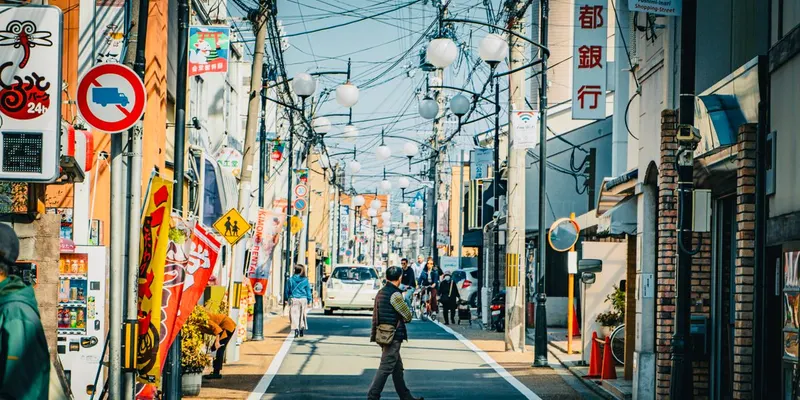
Fukuoka does big-city Japan at two-thirds price with better street food. Fly in on a Peach/Jetstar fare, book the tower for sunset and a Hawks game if the season cooperates, and spend the savings at the yatai. For a day trip out, GetYourGuide’s Takachiho Gorge & Amaterasu Railway tour runs from Fukuoka at ¥7,575 ($46.82), 657 reviews.
Kyushu onward: JR Pass comparison · all activities.
Prices verified as of August 27, 2026.
Book these while you’re there
Fukuoka:Takachiho Gorge&Amaterasu Railway with Optional boat
VASARA Kimono and Yukata Rental in Fukuoka

Fukuoka Evening Tours: Yatai, Izakaya, Karaoke and more
Fukuoka: Mt. Aso Volcano, Kusasenri & Grasslands Day Tour
BOSS E ZO FUKUOKA Amusement Facility Ticket in Fukuoka

Tour Fukuoka or Nagasaki in safety and comfort with Private Guide
Fukuoka Bar Hopping & Yatai Tour: Food & Drinks All Included
Fukuoka SoftBank HAWKS Baseball Game Ticket
Richmond Hotel Premier Kyoto Shijo
save ¥13,556 vs sell price
Check rateHilton Tokyo Narita Airport
save ¥7,910 vs sell price
Check rateOriental Hotel Okinawa Resort & Spa
save ¥5,889 vs sell price
Check rateFrequently Asked Questions
Is Fukuoka worth visiting?
Yes, especially for food and value. It is Japan's fifth-largest city with the country's best street-food culture (yatai stalls), attraction tickets at half Tokyo prices, and the gateway position for all of Kyushu.
How many days do you need in Fukuoka?
Two days covers the city: one for downtown (Canal City, Fukuoka Tower, yatai at night), one for a Dazaifu day trip or the Uminonakamichi beach park. Add days only if using Fukuoka as a Kyushu base.
What food is Fukuoka famous for?
Tonkotsu ramen was born here, Hakata-style, from ¥600 at yatai stalls and ramen shops. Also motsunabe hotpot and mentaiko (spicy cod roe). A yatai dinner with a beer runs about ¥1,500.
What is the Kyushu FunPASS?
A ¥1,270 ($7.85) attraction bundle covering several Fukuoka-area sights on one QR code. It pays for itself with two included stops, making it the cheapest city attraction pass in Japan.