Japan Train Etiquette 2026: What Not to Do
Japan’s train system is famously precise and famously quiet, and the etiquette that keeps it that way is mostly unwritten but consistently enforced by social pressure, not signage.
Verified: September 8, 2026.
The core rule: keep it quiet
Phone calls are the single most noticed violation. Not illegal, but a strong, consistently held norm, silence (or at most quiet conversation) is the default on every train type. Text instead of calling, and if a call is unavoidable, step into the vestibule between cars and keep it short.
Phones on silent mode, not just calls, notification sounds and video audio without headphones draw the same quiet disapproval.
Queueing and boarding
Lines form at marked positions on the platform, follow the floor markings for where each train door will open, and let arriving passengers exit fully before boarding. This isn’t optional politeness, it’s how the system’s tight scheduling actually works, boarding out of turn creates real delays during rush hour.
Don’t rush the doors as they’re closing. Missing a train means waiting a few minutes for the next one, not a crisis worth a scramble that inconveniences everyone else boarding.
Priority seats: give them up on request
Priority seats are genuinely respected, marked sections near train doors for elderly, pregnant, disabled, or injured passengers. Sitting there when empty is common, but be ready to give it up immediately if someone who needs it boards, and many locals avoid using priority seats altogether even when empty.
Don’t spread across multiple seats with bags or by sitting with legs apart during crowded periods, space is genuinely tight during rush hour.
Where luggage actually goes
Overhead racks for smaller bags on any train. The gap behind the last row of seats on shinkansen cars that have it, some Tokaido Shinkansen services require reserving this space in advance if you’re traveling with an oversized suitcase. Never block the aisle with a large bag, this is the fastest way to draw visible frustration on any train, and rush hour makes it genuinely disruptive rather than a minor inconvenience.
Escalators: the region-specific rule
Stand on one side, walk on the other, but which side flips by region: left-stand, right-walk in Tokyo and most of the country; right-stand, left-walk in Osaka and the Kansai region. Watch what locals around you are doing in the first few minutes after arriving in a new city, and match it rather than assuming the Tokyo convention applies everywhere.
Eating on trains: shinkansen yes, local trains no
No eating on local trains and subways. The clear exception: long-distance trains and shinkansen, where an ekiben (station bento) is a normal, even expected, part of the journey. A quick water bottle sip is generally fine anywhere; a full meal is a local-train no.
Rush hour specifically
Tokyo and Osaka rush hours (roughly 7:30-9:30 AM, 5-7 PM) involve genuinely dense crowding, staff sometimes physically assist pushing passengers in during peak load. If your schedule allows it, shifting sightseeing starts to after 9:30 AM avoids this entirely, both for comfort and to avoid inadvertently blocking doors or aisles in a crush you’re not used to navigating.
Final thoughts
Quiet, orderly, and considerate of the tight schedule everyone else depends on, that’s the entire underlying logic. Get phone silence and platform queueing right, and you’ve covered the two rules most likely to get you a pointed look from a fellow passenger. Full etiquette rundown beyond trains in our unspoken rules guide.
Verified as of September 8, 2026.
Book these while you’re there
Experience the Soul of Hiroshima: A Peaceful Koto Workshop
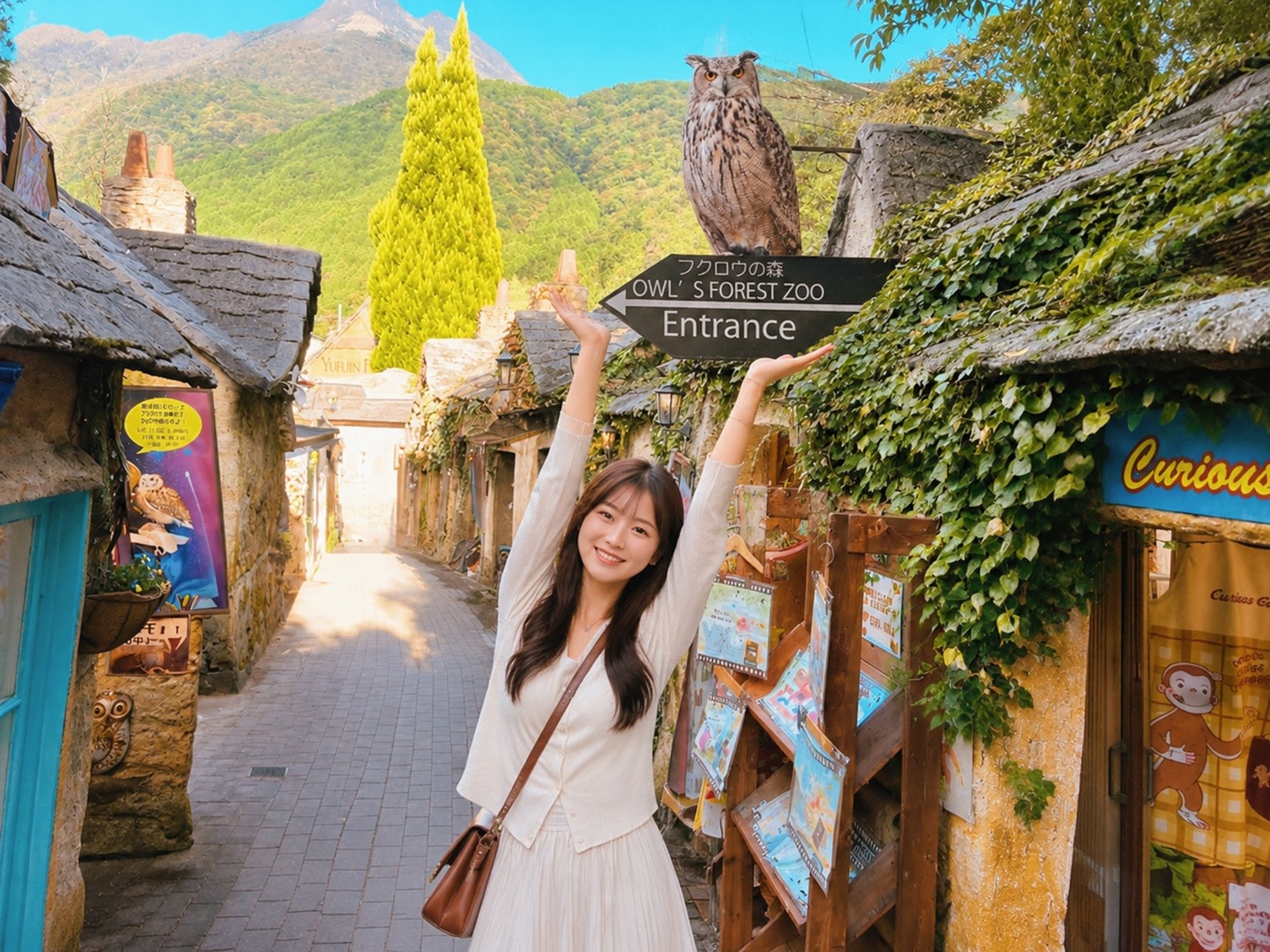
Dazaifu Tenmangu Shrine, Yufuin Town, Beppu Ropeway, Kamado Jigoku (with complimentary onsen egg and lemon soda) | Departing from Fukuoka

Samurai Training Experience KENDO in Osaka
Tokyo: Nikko Day Trip with Lake Chuzenji Boat Ride
VASARA Kimono and Yukata Rental in Fukuoka

Tokyo: Make Your Own Chopsticks Shibuya
Enoshima: History,Culture,Views& 2h Hiking with a LocalGuide
Yanagawa River Boating Experience (Shared/Private Course)
Richmond Hotel Premier Kyoto Shijo
save ¥13,556 vs sell price
Check rateHilton Tokyo Narita Airport
save ¥7,910 vs sell price
Check rateOriental Hotel Okinawa Resort & Spa
save ¥5,889 vs sell price
Check rate#etiquette#transportation#culture
Frequently Asked Questions
Can you talk on the phone on Japanese trains?
Technically not banned, but strongly discouraged and noticed immediately if you do. Text instead, or step into the vestibule between cars for an urgent call, and keep it brief.
Which side do you stand on Japanese escalators?
Varies by region: stand left, walk right in Tokyo and most of the country; stand right, walk left in Osaka and the Kansai region. Watch what locals around you are doing when you arrive in a new city.
Where does luggage go on the shinkansen?
Overhead racks for smaller bags, the gap behind the last row of seats for large suitcases (in cars with this feature, reservable in advance on some Tokaido Shinkansen services), or a dedicated luggage area near the doors on some trains. Blocking the aisle with a suitcase is the fastest way to draw visible frustration from other passengers.