Kumamoto & Mt Aso 2026: Castle, Volcano & Kurokawa Onsen
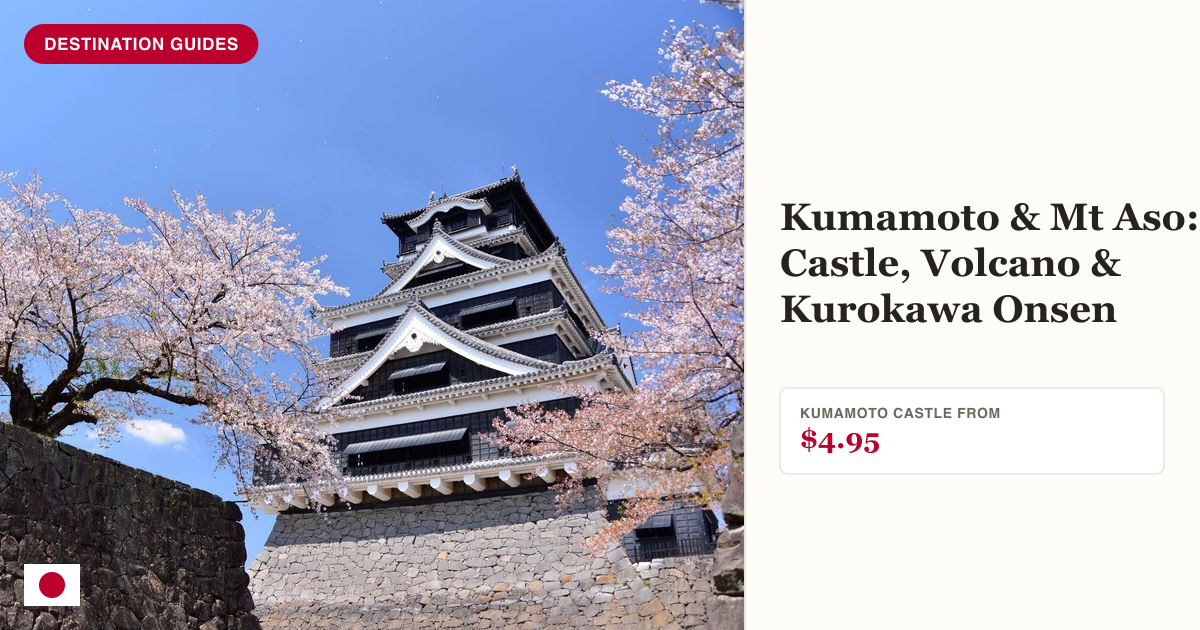
Kumamoto is Kyushu’s volcanic heart: a castle rebuilt after the 2016 quake, an active crater you can (sometimes) stare into, and Japan’s prettiest onsen village hiding in the caldera grasslands. The logistics, priced:
Verified: August 27, 2026.
Kumamoto city: the castle half-day
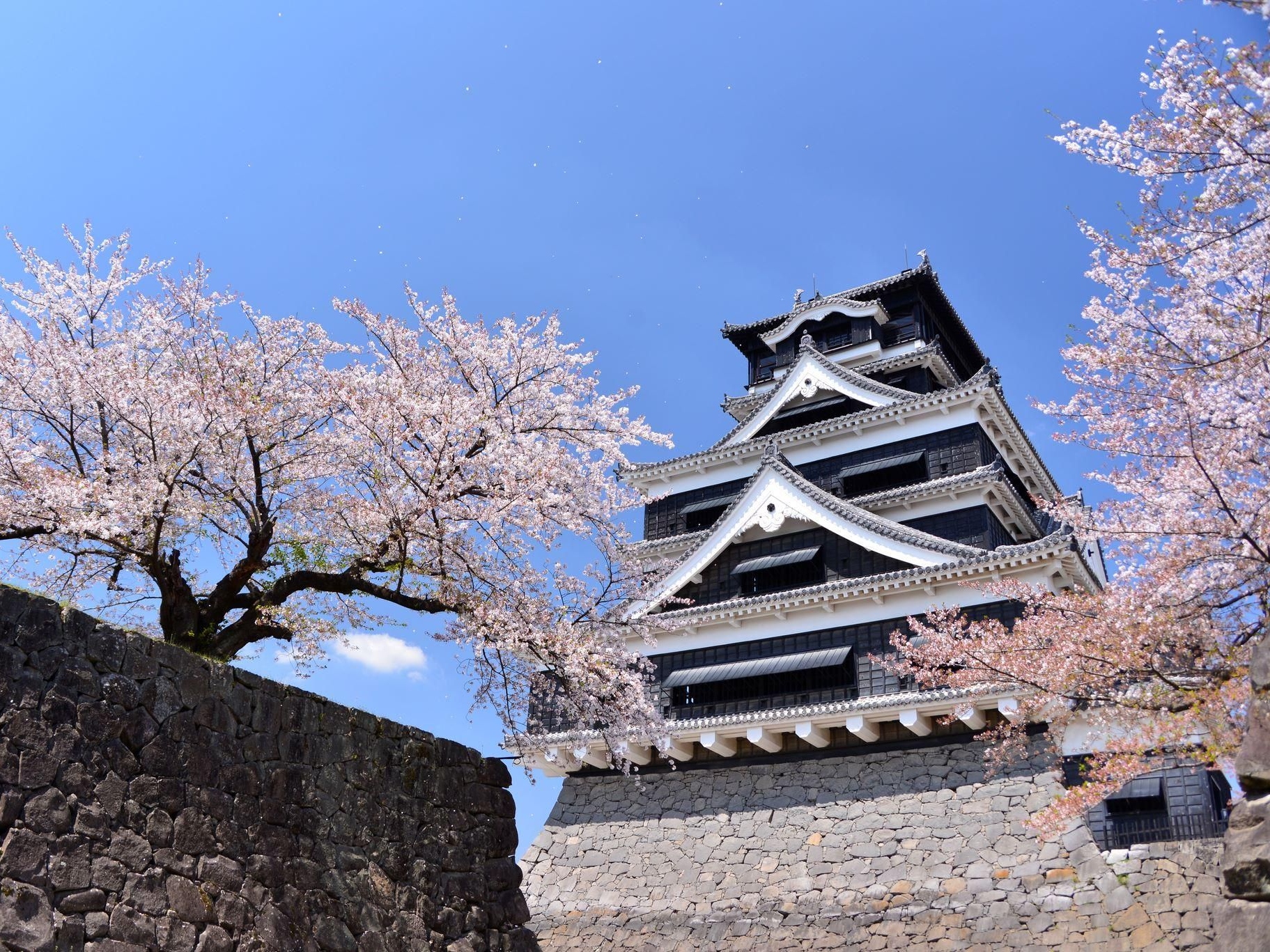
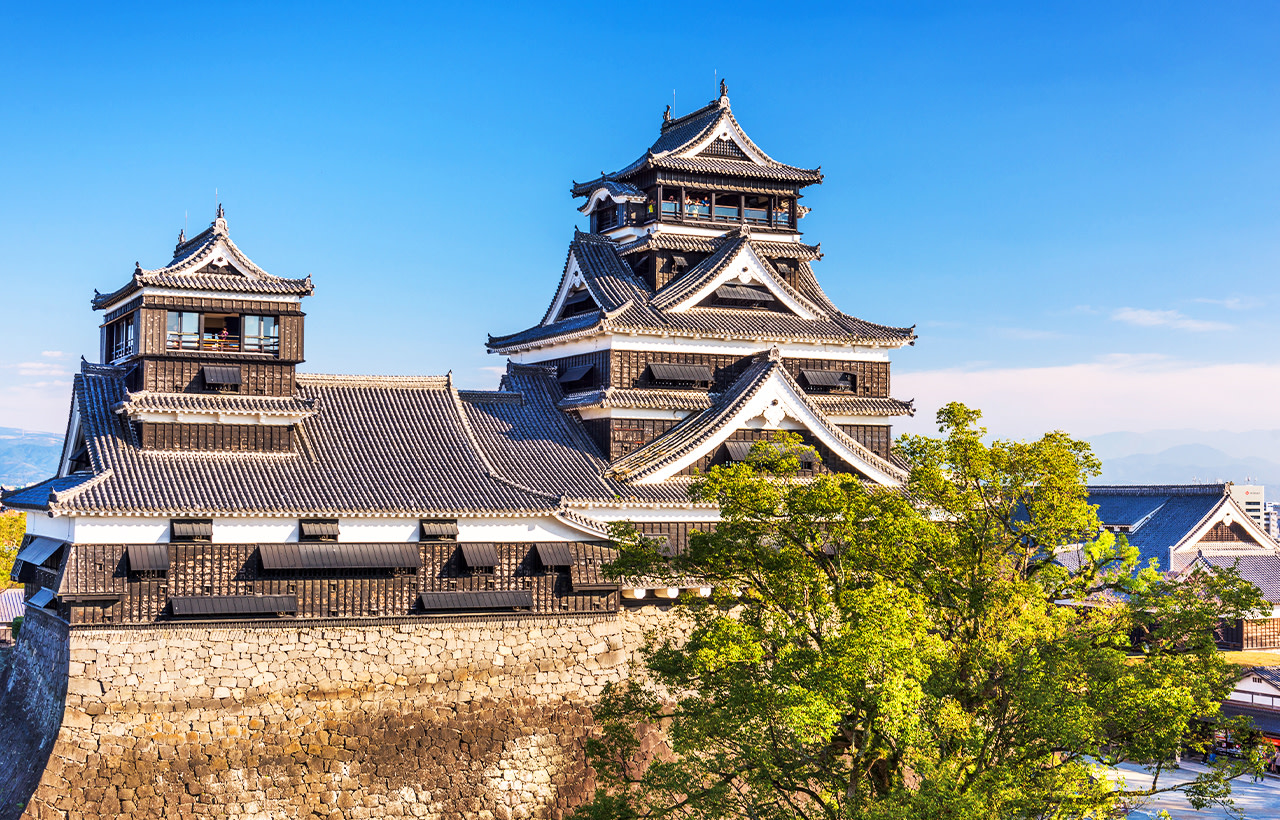
Kumamoto Castle (¥801 ($4.95)), one of Japan’s three great castles, reopened after the earthquake reconstruction. Unlike Himeji’s untouched original, the story here is resurrection: the elevated walkways show repaired walls next to still-toppled stones. Different castle experience, deliberately.
Around it: Sakuranobaba Josaien food street (basashi, horse sashimi, is the local dare, ¥1,500), Suizenji Garden (¥400), and Kumamon merch in industrial quantities. Half a day covers the city; sleep cheap at Sotetsu Grand Fresa from ¥7,636 ($47.20) if staying.
Mt Aso: the volcano day
The world’s largest inhabited caldera, a 25km bowl of grasslands with an active crater in the middle. The catch: the crater rim opens and closes with gas levels, sometimes same-day. Tours carry flexible routings for exactly this:
| Tour | From | Price |
|---|---|---|
| Castle + Aso + Kusasenri | Fukuoka | ¥7,020 ($43.39) |
| Aso + Kamishikimi shrine + castle | Kumamoto | ¥7,014 ($43.35) |
| Aso + Kurokawa Onsen | Kumamoto | ¥7,020 ($43.39) |
All three pass the tour-vs-DIY test: Aso’s sights scatter across a caldera with skeletal bus service, and the volcano shuttle plus grassland stops plus a second destination in one day has no transit equivalent. DIY (train to Aso Station + crater shuttle, ~¥4,000 from Kumamoto) works only for the crater alone.
Pick by second stop: Kusasenri grasslands (the classic), Kamishikimi’s mossy shrine stairs (the photographer’s), or Kurokawa Onsen, the lantern-lit bath village that would headline any prefecture. The Kurokawa pairing is our pick; its rotenburo pass (¥1,500 for three baths) is day-use onsen strategy at its best.
Viator sells a pricier private version, Deluxe Private Tour: Mt. Aso, One Piece Statues and Shrine Visit at ¥30,761 ($190.13), your own car and driver instead of a shared coach, a real option once the group tours above are sold out for your date.
Getting here: the Kyushu pass again
Fukuoka → Kumamoto: Kyushu Shinkansen, ~40 min, covered by the JR Kyushu Rail Pass (¥12,029 ($74.35)), Kumamoto as the third leg after Beppu/Yufuin is what pushes that pass deep past break-even. Base in Fukuoka and day-trip, or overnight for the castle at dusk.
Day budget (tour version)
| Item | Cost |
|---|---|
| Aso + Kurokawa tour | ¥6,500 |
| Castle (pre/post tour) | ¥750 |
| Kurokawa bath pass | ¥1,500 |
| Basashi lunch dare | ¥1,500 |
| Total | ~¥10,300 ($69) |
Final thoughts
Castle in the morning, volcano-plus-onsen tour for the day, basashi if you dare, Kumamoto is the 2-week itinerary’s Kyushu wildcard done properly. Check crater status the morning of; the grasslands console you either way. GetYourGuide runs the same volcano day as Mt. Aso & Takachiho Gorge with an optional boat ride, ¥6,810 ($42.09) at 545 reviews.
Kyushu stack: Fukuoka guide · Beppu & Yufuin · Kyushu pass math.
Prices verified as of August 27, 2026.
Book these while you’re there
Kumamoto Castle, Samurai Legacy & Restoration Tour
From Fukuoka: Miyazaki, Takachiho Gorge and Shrines Day Tour

Kumamoto: SPACE Nightclub Admission Ticket (For Foreigners Only)
Kumamoto Castle & Mt. Aso (Including Volcano Shuttle Bus) & Kusasenri & Aso Shrine & Kurokawa Onsen Day Trip (From Fukuoka/Kumamoto)
Candeo Hotels Kumamoto Shinshigai
save ¥1,270 vs sell price
Check rateFrequently Asked Questions
Is Kumamoto Castle open after the earthquake?
Yes, the main keep fully reopened after the 2016 earthquake reconstruction, with entry around ¥801 ($4.95). Some outer walls remain under repair, and the visible reconstruction work is itself part of the visit's story.
Can you visit the Mt Aso crater?
When volcanic activity allows, the crater rim opens and closes with gas levels, sometimes same-day. Tours route to Kusasenri grassland viewpoints when the rim is closed, which is why the guided options carry weather-flexible itineraries.
How do you get to Kumamoto?
Kyushu Shinkansen from Fukuoka in about 40 minutes, covered by the JR Kyushu Rail Pass. Mt Aso from Kumamoto is another 90 minutes by train and bus, or one guided day tour from Fukuoka covers castle and volcano together.
What is Kurokawa Onsen?
A riverside onsen village in the Aso highlands, ranked among Japan's prettiest, mixed rotenburo baths, a bath-hopping pass, and lantern-lit lanes. Public transit is thin; tours and rental cars are the practical access.