How Much Cash to Bring to Japan 2026
Carry ¥5,000 to ¥8,000 a day in cash for a week-long Japan trip, on top of whatever you spend by card. Japan runs more on cards than it used to, but “cashless” is still an overstatement for anyone leaving the big cities, here’s where cash is still required and where to get more once you’re there.
Verified: August 27, 2026.
The short answer
| Trip length | Cash to carry (rolling) | Notes |
|---|---|---|
| Day trip | ¥5,000–8,000 | Temple fees, small meals, buses |
| 7 days | ¥35,000–50,000 total | Withdraw in chunks, not all at once |
| 2 weeks | ¥70,000–100,000 total | Same logic, top up via 7-Eleven ATM |
This is on top of whatever you’re spending via card or Suica, not instead of it.
Where cash is still required
- Small, family-run restaurants and ramen shops, especially outside Tokyo/Osaka/Kyoto’s tourist cores
- Temple and shrine offering boxes and some entry fees, particularly rural ones
- Local buses in smaller cities, exact change or an IC card top-up
- Some ryokan and older guesthouses, confirm before booking if card payment matters to you
- Vending machines, most accept IC cards now but coin-only machines still exist, especially in rural areas
Where cards and IC cards win
Convenience stores, chain restaurants, department stores, most hotels, and any shinkansen ticket counter all take cards without issue. Suica or Pasmo cover trains, buses, and konbini purchases with a tap, no cash needed for daily transit and snacks in any major city.
Getting more cash once you’re there
7-Eleven ATMs (Seven Bank) are the most consistently foreign-card-friendly option in the country, available inside nearly every 7-Eleven, which means available on nearly every block in a city. English-language menus, standard Visa/Mastercard/UnionPay acceptance.
Japan Post Bank ATMs are the backup option, found in post offices, reliable in smaller towns where 7-Eleven density drops off.
Airport exchange counters have the worst rates of any option on this list, use them only for a small arrival-day buffer (¥10,000-20,000) to cover the taxi or train into the city before you find your first 7-Eleven.
The practical system
- Exchange a small amount at home or the airport for arrival day only.
- Withdraw the bulk of your trip cash in 2-3 chunks from 7-Eleven ATMs, not all at once, ATM withdrawal fees are usually flat per transaction, not per yen.
- Keep a Suica topped up for transit and konbini, so your cash reserve lasts longer for the genuinely cash-only spots.
- Carry small bills and coins for temple offerings and local buses, breaking a ¥10,000 note at a tiny ramen shop is an awkward, common tourist moment.
Final thoughts
Card-first is fine for the big cities, but ¥5,000-8,000 a day in reserve prevents the specific embarrassment of standing at a family-run shop’s register with only a card. Top up via 7-Eleven, not the airport counter, and you’re covered for the whole trip. Full daily cost breakdown in our budget travel guide.
Verified as of August 27, 2026.
Book these while you’re there
Experience the Soul of Hiroshima: A Peaceful Koto Workshop

Dazaifu Tenmangu Shrine, Yufuin Town, Beppu Ropeway, Kamado Jigoku (with complimentary onsen egg and lemon soda) | Departing from Fukuoka

Samurai Training Experience KENDO in Osaka
Tokyo: Nikko Day Trip with Lake Chuzenji Boat Ride
VASARA Kimono and Yukata Rental in Fukuoka

Tokyo: Make Your Own Chopsticks Shibuya
Enoshima: History,Culture,Views& 2h Hiking with a LocalGuide
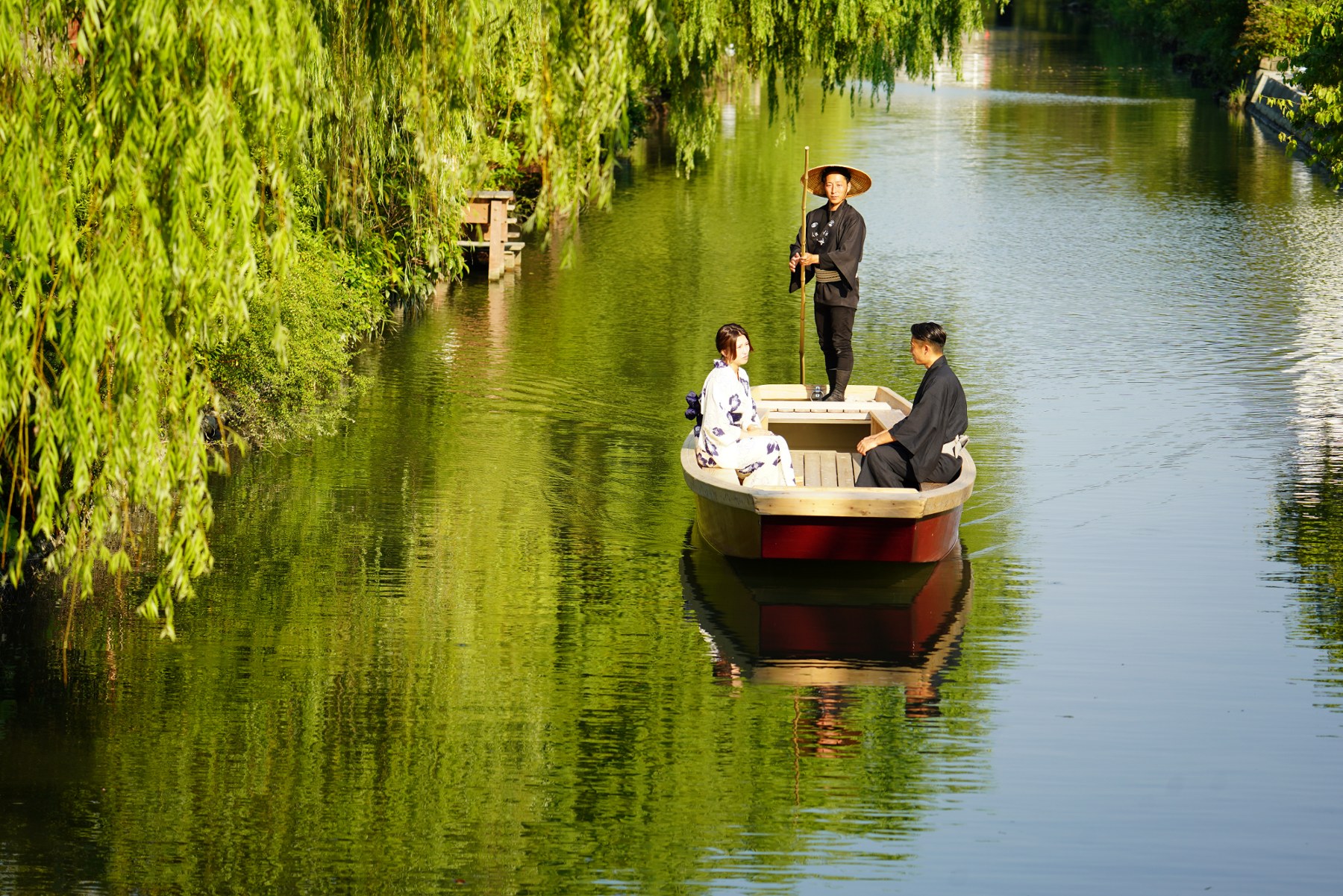
Yanagawa River Boating Experience (Shared/Private Course)
Richmond Hotel Premier Kyoto Shijo
save ¥13,556 vs sell price
Check rateHilton Tokyo Narita Airport
save ¥7,910 vs sell price
Check rateOriental Hotel Okinawa Resort & Spa
save ¥5,889 vs sell price
Check rateFrequently Asked Questions
How much cash should I bring to Japan per day?
¥5,000 to ¥8,000 (¥5,339 ($33) to ¥8,575 ($53)) per day covers cash-only spots: temple offerings, small ramen shops, konbini, and local buses. Carry more on days you're visiting rural areas or small towns where cards are less common.
Is Japan still a cash-based society?
Less than a decade ago, but yes for a meaningful slice of transactions. Cards and IC cards (Suica/Pasmo) cover most cities now, but small restaurants, temples, some ryokan, and rural shops often remain cash-only.
Which ATMs in Japan accept foreign cards?
7-Eleven ATMs (Seven Bank) are the most reliable for foreign Visa, Mastercard, and UnionPay cards, available inside nearly every 7-Eleven nationwide. Japan Post Bank ATMs are the second-most reliable option, especially outside major cities.
Should I exchange currency before arriving in Japan?
Exchange a small amount (¥10,000-20,000) at home for arrival-day taxis and vending machines, then withdraw the rest from 7-Eleven ATMs once in Japan, the exchange rate is usually better than airport counters.