Sapa Trekking Guide: Day Trip vs 2-Day Homestay 2026

Sapa’s trekking options verify from an ₫488,900 ($18.65) half-day village walk up to a ₫3,698,600 ($141.09) multi-day village-and-homestay tour, roughly an 8x spread depending on how much time and distance you want. Distance and evening access are what actually change between tiers, not just a longer version of the same walk.
Prices verified: August 24, 2026. All prices USD, per-person.
Day treks: under ₫786,434 ($30)
| Trek | Provider | Price |
|---|---|---|
| Sapa Cat Cat Village Half-Day Guided Tour | Klook | ₫488,900 ($18.65) |
| Y Linh Ho, Lao Chai and Ta Van Villages Trek | GetYourGuide | ₫490,997 ($18.73) |
| Sapa Muong Hoa Valley Small Group Trekking Tour | Klook | ₫500,434 ($19.09) |
| 1-Day Guided Trek to Lao Chai & Ta Van with Lunch | GetYourGuide | ₫718,014 ($27.39) |
All four cover roughly the same ground, Cat Cat, Lao Chai, and Ta Van villages through the Muong Hoa Valley’s rice terraces, with a guide and return to town by evening. Price differences here mostly reflect group size and whether lunch is included, not meaningfully different routes.
2-day homestays: ₫1,048,579 ($40) to ₫3,538,953 ($135)
| Trek | Provider | Price |
|---|---|---|
| 2 Days Walking & 1 Night at Homestay with Local Guide | GetYourGuide | ₫1,073,483 ($40.95) |
| 2D1N Sapa Tour from Hanoi with Dcar Bus | Klook | ₫2,807,570 ($107.10) |
| Sapa Ham Rong Mountain & Cat Cat Village Multi-Day Tour | Klook | ₫2,735,480 ($104.35) |
| Cat Cat Village & Fansipan Cable Car 2-Day Trekking Tour | Klook | ₫3,486,262 ($132.99) |
| 3D2N Exploring Sapa Local Village Tour from Hanoi | Klook | ₫3,698,600 ($141.09) |
The ₫1,073,483 ($40.95) GetYourGuide homestay is a genuine outlier at the low end, worth booking directly if a simple homestay experience without transport bundling is what you want. The higher-priced Klook multi-day tours bundle round-trip transport from Hanoi (including some by night train or Dcar limousine bus) into the package, which explains most of the price gap over the standalone homestay option.
Viator’s Sapa catalog: a third option
Viator lists 15 Sapa treks of its own, including several 2-day homestay packages in the same ₫1,572,868-₫2,883,592 ($60-110)) range as the table above. Its top listing, a ₫2,446,859 ($93.34) ethical cultural trekking-and-homestay tour, carries 476 reviews, the single most-reviewed tour in this site’s Viator data across any Vietnam city. Worth comparing directly against the Klook and GetYourGuide options here before booking, especially if a specific homestay village or guide reputation matters more than price alone.
What a homestay actually adds
The trekking distance itself isn’t dramatically longer on a 2-day homestay, it’s the evening that changes: a home-cooked meal with a local family, no phone signal in most villages, and an early-morning start into a second day’s walking before returning to Sapa town. If the appeal is genuinely experiencing village life rather than just seeing it from the trail, the homestay earns its price premium. If you just want the valley views and don’t need the overnight, the day trek delivers the same scenery for a fraction of the cost.
Fansipan: trek or cable car, not both by default
Fansipan, Vietnam’s highest peak, is reachable two ways: a multi-day camping trek (a serious undertaking, not covered by the treks above) or the Sun World cable car, covered in the under-₫524,289 ($20) activities list at ₫520,357 ($19.85). The Cat Cat Village & Fansipan Cable Car 2-Day Trekking Tour above is the one package in this list combining valley trekking with the cable car summit visit, worth it if you want both without arranging them separately.
When should you go?
Sapa’s trekking conditions are best in the dry, cooler months, roughly September through November and March through May, avoiding both the coldest winter weeks (December-February, when Sapa’s elevation can bring near-freezing temperatures) and the wettest summer stretch. The best time to visit Vietnam by region guide covers the north’s full seasonal pattern in more detail, and if the rice terraces themselves are the priority, our Sapa rice terrace season guide breaks down exactly when they turn gold.
Which to book
Day trek if Sapa is one stop on a fuller north-Vietnam itinerary and time is tight. 2-day homestay if Sapa itself is a trip highlight and the evening village experience matters as much as the walking. Either way, book through whichever platform has the specific route and inclusions (lunch, transport, cable car) that match what you actually want, price alone doesn’t cleanly separate quality here.
Physical difficulty, honestly assessed
None of these treks require technical hiking skill, but the terrain is genuinely uneven, muddy dirt paths and stone steps through working rice terraces, not a maintained park trail. A moderate fitness level and comfortable, broken-in closed shoes cover the day treks fine; the 2-day versions add enough cumulative distance that a reasonable baseline fitness matters more, though still well within reach for most active adults without hiking-specific training.
Getting to Sapa from Hanoi first
Every trek in this comparison assumes you’ve already reached Sapa town, roughly 5-6 hours from Hanoi by road, or a shorter but pricier option by overnight sleeper train to Lao Cai followed by a road transfer. Several of the multi-day Klook packages bundle this transport in; the standalone GetYourGuide day treks generally assume you’ve arranged your own way to Sapa town already, worth checking before booking a day trek in isolation if you haven’t sorted transport yet.
Prices verified as of August 24, 2026.
Book these while you’re there

2 DAYS Explore SA PA'S Village through Scenic walking Trails

Sun World Fansipan Legend Ticket

Number one top rated ethical cultural trekking and homestay by ETHOS
2-Day Sapa Trek – Ham Rong Mountain, Village & Local Culture

Sapa Muong Hoa Valley Small Group Trekking Tour

SAPA: 2 DAYS Walking & 1 night at Homestay with LOCAL GUIDE
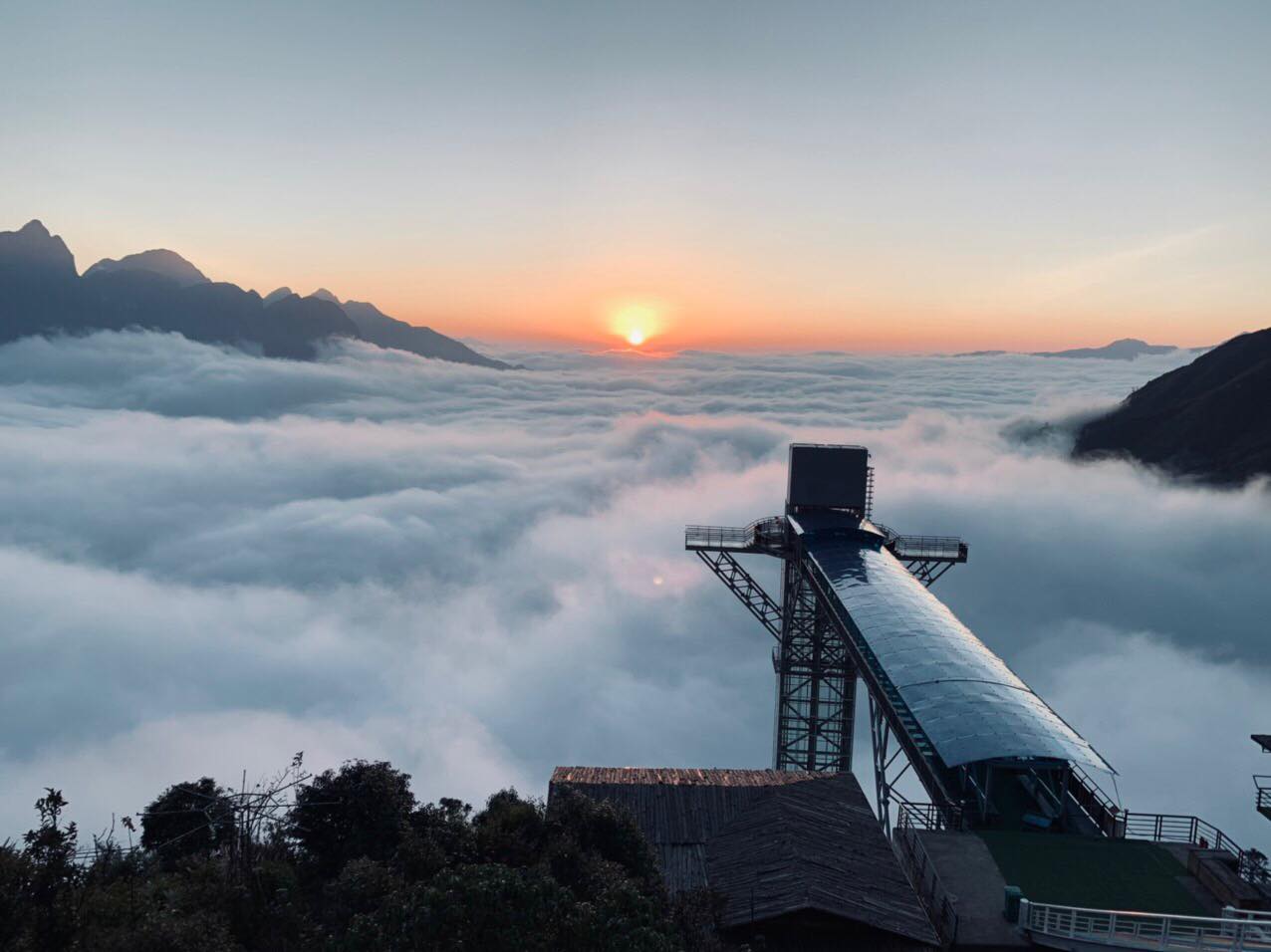
Glass Bottom Bridge Ticket in Sapa
#sapa#trekking#vietnam#comparisons
Frequently Asked Questions
Is a day trek enough to experience Sapa properly?
For a first visit on a tight schedule, yes, a day trek covers Lao Chai and Ta Van, the two villages closest to Sapa town, through rice terrace scenery. A homestay adds an evening in the valley itself, which a day trip can't replicate.
What's actually different about a homestay versus returning to a hotel?
Pace and access, mainly. A homestay ends the trekking day with a home-cooked meal and an evening in the village after day-trippers leave, rather than a drive back to a Sapa town hotel. It's not simply "more walking," it's a different kind of day.
Do I need trekking experience for any of these?
No. These are village paths and terraced rice paddy trails, not technical mountaineering. Sturdy closed shoes and a rain layer are enough for the day options; the multi-day treks cover more distance and benefit from broken-in footwear.
Is the Fansipan cable car a substitute for trekking?
It's a different experience entirely, a cable car ride to Vietnam's highest peak versus a walk through valley villages. Some multi-day tours bundle both, worth checking if you want the summit view and the village trek in one trip.