Top 10 Specialty Cafes in Hanoi 2026
Hanoi’s coffee scene runs on two tracks: century-old tradition (egg coffee, alley-hidden phin-drip cafes) and a newer wave of specialty roasters serving single-origin Vietnamese beans the way third-wave cafes anywhere else in the world do. Both are worth seeking out, and neither replaces the other.
Café Giảng: where egg coffee started
Café Giảng is the reason egg coffee exists. During a 1940s milk shortage, the cafe’s founder started whipping egg yolk with sugar into a custard-like foam over strong robusta coffee, and cà phê trứng was born. Tucked down a narrow alley rather than fronting a main street, it’s unpretentious, cheap by any standard, and the closest thing Hanoi has to a coffee pilgrimage site. Go once even if egg coffee sounds unusual, it’s less sweet and more balanced than it sounds on paper.
Café Đinh: the other egg coffee original
Café Đinh runs a parallel claim to Hanoi’s egg coffee history, tucked up a narrow staircase overlooking Hoan Kiem Lake. The view from its upper floor, plastic stools, low tables, lake traffic below, is as much the draw as the coffee itself. Less crowded than Café Giảng most hours, worth the climb.
Loading T Cafe: the rooftop view
For a wider lake view without the historic-cafe crowding, Loading T Cafe’s rooftop seating over Hoan Kiem Lake is the modern alternative, less about coffee tradition, more about a relaxed hour with a view, popular for sunset.
Cộng Cà Phê: military-themed, coconut coffee
Cộng Cà Phê (Cong Caphe) is a chain now, not a single hidden gem, but its original Hanoi locations set the template: retro military-propaganda decor, and a coconut smoothie coffee (cà phê cốt dừa) that’s become one of the most-ordered drinks by visitors specifically because of how photogenic and genuinely refreshing it is in Hanoi’s humidity. Multiple locations around the Old Quarter make it an easy stop regardless of where you’re staying.
The Note Coffee: sticky notes on every wall
A visual landmark as much as a cafe, The Note Coffee’s walls, ceiling, and stairwells are covered in thousands of handwritten sticky notes left by past visitors from around the world. The coffee is solid but secondary, this is a stop for the experience and the ten minutes it takes to read notes from travelers who passed through before you.
Tranquil Books & Coffee: reading-cafe hybrid
A quieter pick for travelers wanting a slower morning, Tranquil combines a small secondhand bookshop with cafe seating, less about a specific coffee specialty and more about a genuinely calm space to sit for a few hours, a contrast to the Old Quarter’s louder tourist cafes.
Oriberry Coffee: specialty, single-origin
Representing Hanoi’s newer third-wave scene, Oriberry focuses on single-origin Vietnamese beans (both arabica and robusta) sourced directly from specific growing regions, served pour-over or espresso-based rather than the traditional phin drip. Worth a stop if you want to taste Vietnamese coffee the way a specialty roaster elsewhere in the world would present it.
Là Việt Coffee: Da Lat beans in Hanoi
Là Việt started in Da Lat’s coffee-growing highlands and has expanded into Hanoi, bringing genuinely high-grade Vietnamese arabica to the capital in a clean, modern cafe setting. A good pick if you want to taste what Vietnamese specialty coffee looks like when it isn’t drowned in condensed milk.
Café Phố Cổ: multi-floor lake views
Another multi-story Old Quarter cafe with lake-facing balcony seating, Café Phố Cổ (“Old Quarter Cafe”) is a quieter alternative to the more tourist-heavy lake-view spots, several floors up a narrow staircase past a small courtyard, the kind of place that rewards wandering rather than following a map pin exactly.
Aeroport: industrial, minimalist, third-wave
Rounding out the modern specialty side, Aeroport leans into an industrial, minimalist aesthetic with a serious approach to bean sourcing and brew method, popular with Hanoi’s younger, design-conscious crowd rather than the tourist trail specifically, a good sign that the coffee itself is the actual draw.
Egg coffee vs coconut coffee vs black: which to try first
If it’s your first Hanoi coffee, start with egg coffee at Café Giảng or Café Đinh, it’s the drink Hanoi is actually known for. If sweetness isn’t your thing, Cộng’s coconut coffee is a lighter, more refreshing alternative in the heat. If you want Vietnamese coffee without dairy or egg at all, Oriberry or Là Việt serve it the way any specialty cafe elsewhere would, letting the bean itself carry the flavor.
A realistic Hanoi cafe day
Old Quarter mornings suit the historic cafes, Café Giảng or Café Đinh before the day’s crowds build, then Cộng or The Note Coffee for a midday break between sightseeing stops. Save Oriberry, Là Việt, or Aeroport for an afternoon when a quieter, more design-forward space appeals more than the bustle of the tourist cafes.
Pairing with a Hanoi itinerary
For the tours and day trips to build a coffee stop around, see Hanoi’s highest-rated tours, and for a hands-on version of the coffee culture covered here, the cooking classes and food tours guide includes Hanoi’s Vietnamese Coffee Workshop, where you make the drinks instead of just ordering them. Viator’s Hanoi listings alone run past 180, the largest single-city catalog of the three platforms this site tracks, worth a scan if you want more options than the two guides above cover.
Book these while you’re there

Hanoi: 2Day Tour Ho Chi Minh Life Story & BaVi National Park

Hanoi to Sapa Sleeper Train Ticket

Hanoi Motorbike Tour: Hanoi HIGHTLIGHTS & HIDDEN GEMS
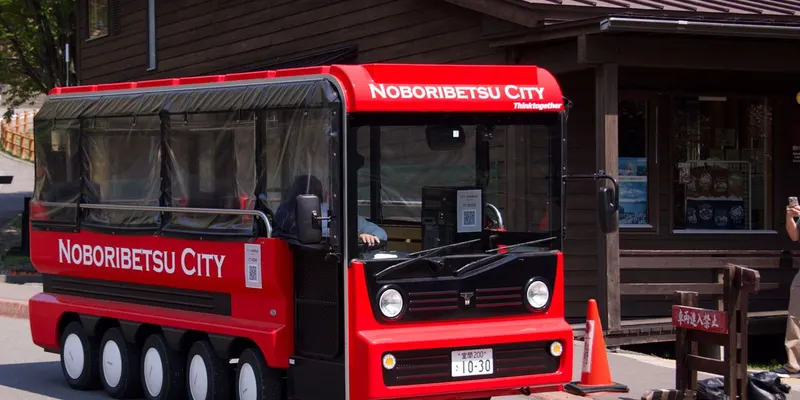
Hanoi: Guided Food Tour with Train Street Visit

Thang Long Water Puppet Show Ticket in Hanoi

Luxury Ninh Binh Full Day Tour From Hanoi (Trang An - Hoa Lu)
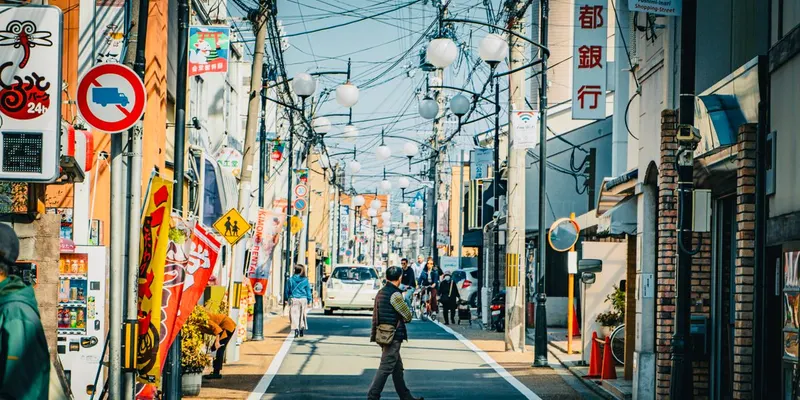
Hanoi: Guided Walking Tour of Tran Quoc Pagoda & Ba Dinh
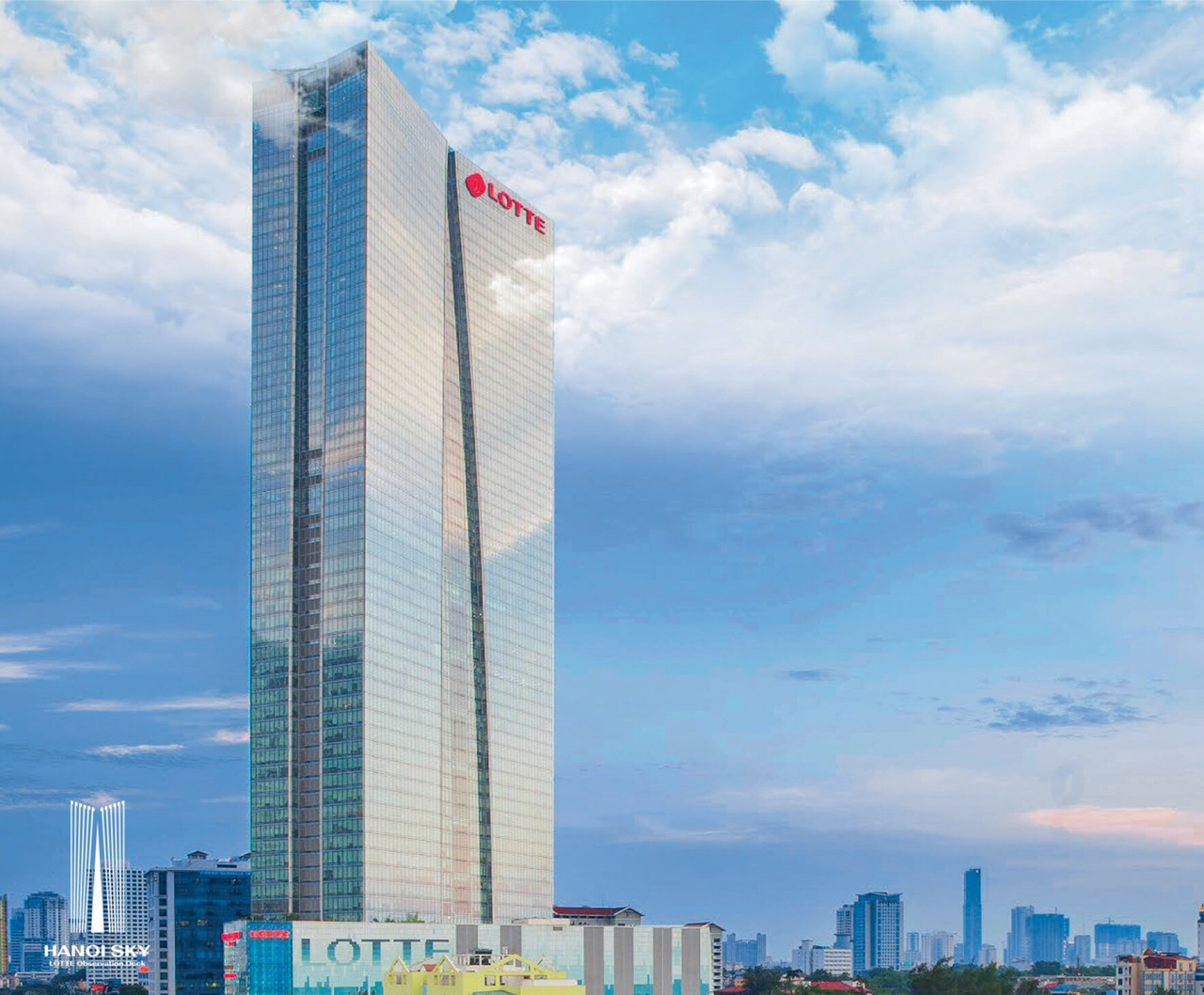
Hanoi Sky Lotte Observation Deck Ticket
Frequently Asked Questions
What's egg coffee, and where did it start?
Cà phê trứng, egg yolk whipped with condensed milk and sugar into a custard-like foam over strong Vietnamese coffee. It was invented at Café Giảng during a 1940s milk shortage and remains Hanoi's signature coffee drink.
Is Hanoi coffee culture different from Ho Chi Minh City's?
Yes, generally. Hanoi leans toward tradition, egg coffee, strong robusta, hole-in-the-wall alley cafes, while Ho Chi Minh City's scene skews more toward third-wave specialty roasters and Western-style cafe culture. Neither is more "authentic," they reflect different city histories.
Do I need to book ahead at these cafes?
No, none of Hanoi's cafe scene runs on reservations. The popular spots (Café Giảng, Café Đinh) get a queue at peak hours, mid-morning or mid-afternoon avoids the worst of it.
Is Vietnamese coffee stronger than what I'm used to?
Usually, yes. Traditional Vietnamese coffee uses robusta beans and a slow phin filter drip, producing a stronger, more bitter base than most Western drip coffee, which is exactly why condensed milk or egg cream became the standard way to balance it.