Sapa Rice Terraces 2026: When to See Them Gold
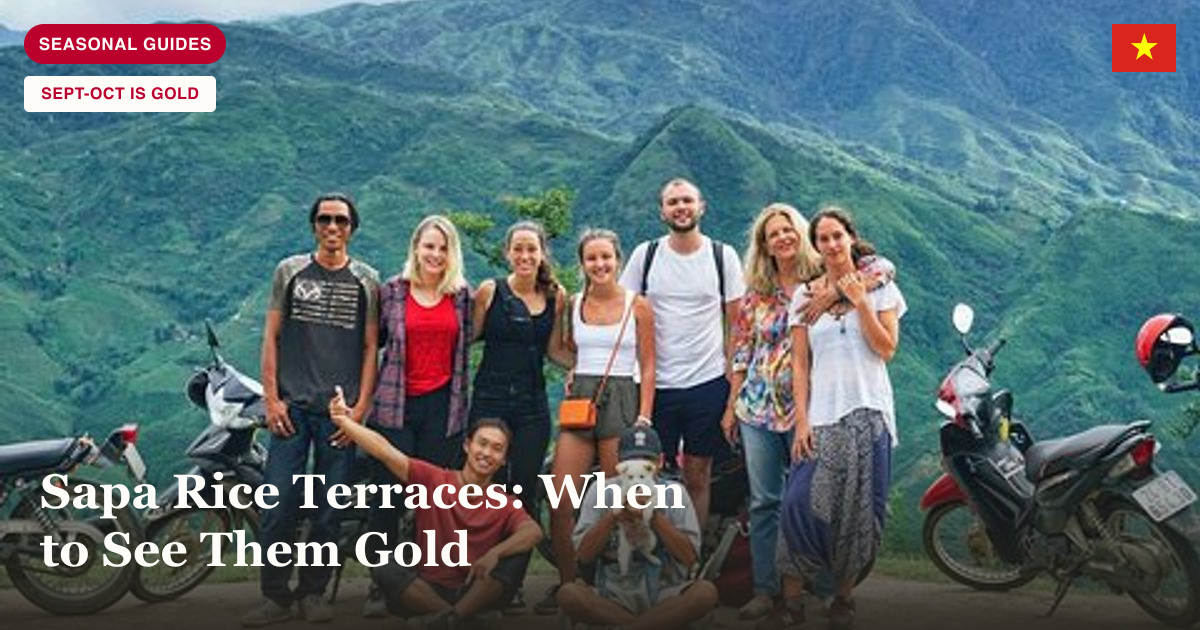
Sapa’s rice terraces turn gold for roughly three weeks in mid-September through early October, harvest season in Muong Hoa Valley, then go green through summer and bare through a misty, cold winter. Picking the season shapes the trip more than picking the trek does.
Verified: September 1, 2026.
The three looks, and when each happens
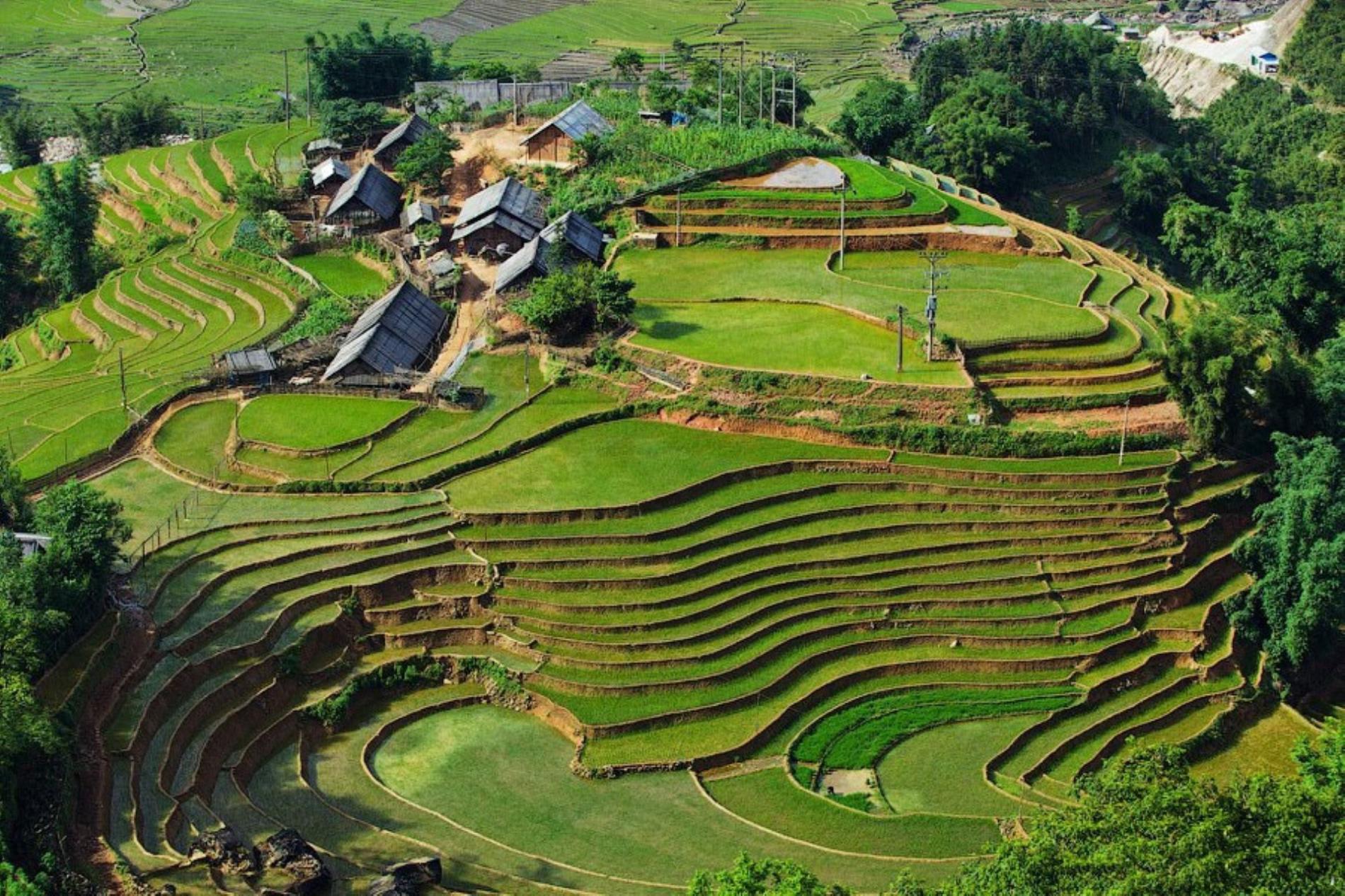
Golden harvest, mid-September to early October: the terraces turn a deep gold-brown as rice ripens and gets cut, the single most photographed window of the year and correspondingly the busiest for treks and homestays. Green growing season, roughly May through August: flooded paddies and bright green shoots, a striking look in its own right and notably less crowded than harvest weeks. Winter, December through February: bare earth terracing under frequent mist, Sapa’s elevation brings genuinely cold temperatures this time of year, some days the valley views disappear into cloud entirely, but the town itself is quieter and occasionally sees frost or light snow, unusual enough in Vietnam to be its own draw.
Treks built around the valley view
Sapa Muong Hoa Valley Small Group Trekking Tour (₫500,434 ($19.09)) runs directly through Muong Hoa Valley’s core terrace stretch, the route that puts you closest to the classic gold-terrace photo during harvest weeks and the flooded-green version in summer. Half-Day Muong Hoa Valley Trek & Ethnic Village Discovery (₫591,661 ($22.57)) covers similar ground on a shorter timeline, useful if a full day isn’t in the schedule.
Cat Cat Village Half-Day Tour from Sapa (₫610,797 ($23.30)) is the closest terraced village to Sapa town, less dramatic scenery than deeper into Muong Hoa Valley but a reasonable option if time or mobility is limited, and it’s walkable from town in any season, including the muddier winter months when other routes get harder underfoot.
Beyond the valley: Bac Ha’s market
Bac Ha Market and Ban Pho Village Day Tour (₫728,500 ($27.79)) runs on a weekly Sunday market schedule rather than a seasonal one, worth pairing with a terrace trek on a multi-day Sapa trip regardless of which season you’re visiting for, since the market’s timing doesn’t shift with harvest.
The mist backup plan: Fansipan cable car
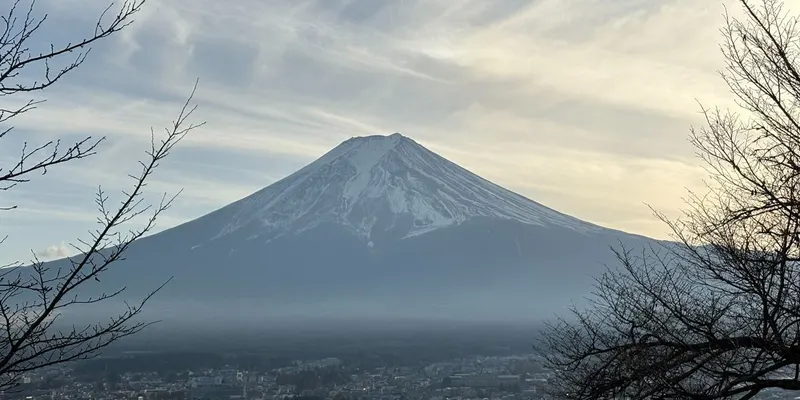
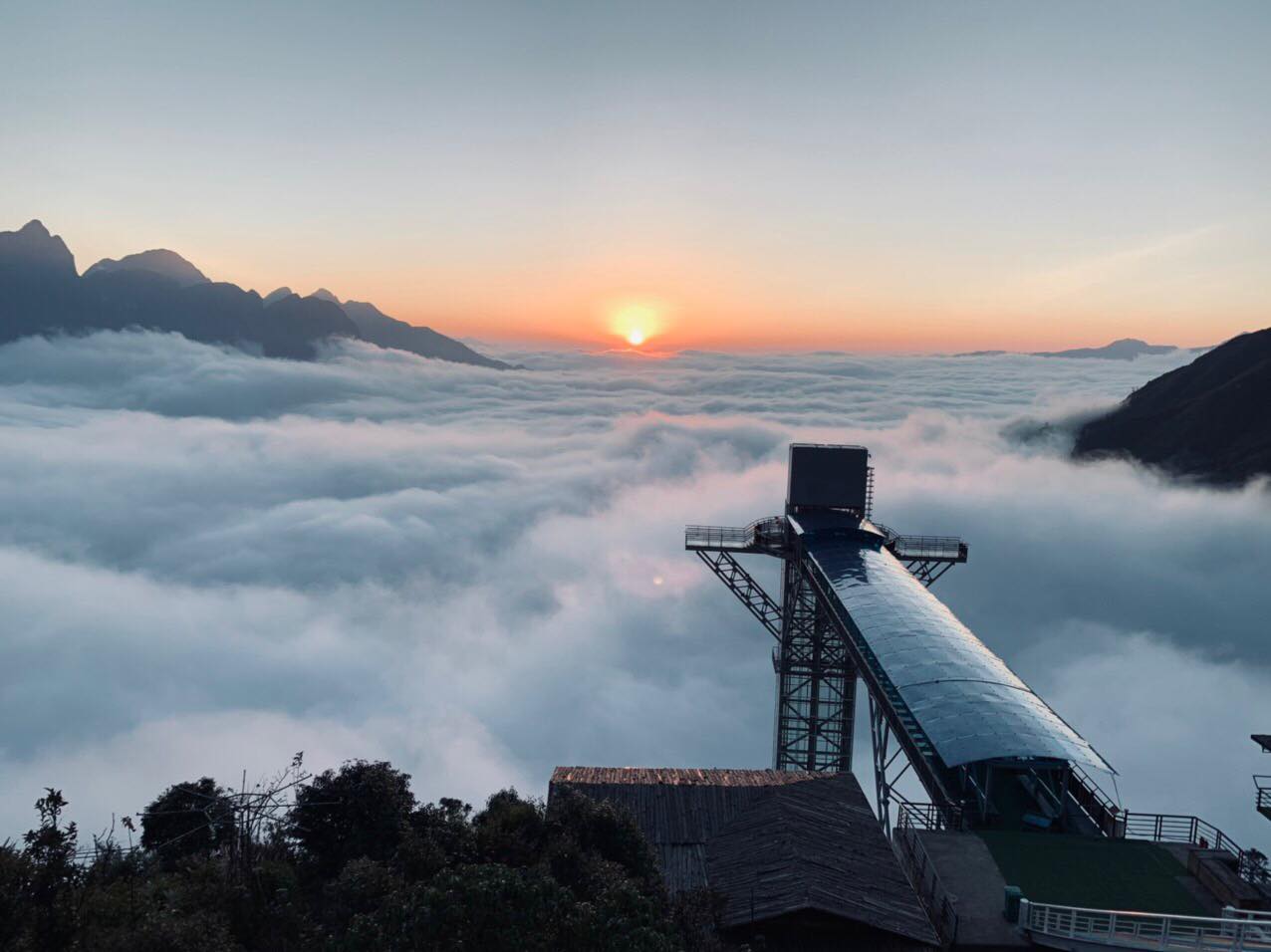
Winter’s mist can genuinely erase a valley view for a full trekking day, no amount of route planning fixes weather. Sun World Fansipan Legend Ticket (₫520,357 ($19.85)) is the reliable backup on a socked-in day, a cable car ride above the cloud layer that sometimes clears the mist entirely at altitude even when the valley floor is fogged in.
Booking around harvest season specifically
Mid-September through early October is Sapa’s tightest trekking-season booking window of the year, homestays in the valley’s villages fill up, and popular guides book out days to weeks ahead. If a specific harvest week matters for the photos, book at least a month out; outside that window, Sapa’s tours generally have same-week availability.
Choosing a trek: day trip or homestay
This piece covers when to go, not which trek format to book, that comparison, day trek versus 2-day homestay, with full pricing across both, is broken down in our Sapa trekking guide. Worth reading alongside this one: the format decision matters less than the season for anyone whose main goal is seeing the terraces at their best.
How does this fit Vietnam’s wider seasons?
Sapa’s dry, cooler trekking conditions broadly run September through November and March through May, avoiding both winter’s cold mist and summer’s wettest stretch, more detail on the north’s full seasonal pattern is in our best time to visit Vietnam by region guide. For how the harvest weeks line up against the rest of the country’s September-December window, the north-to-south seasonal guide covers Hoi An’s flood risk and the south’s dry-season start over the same stretch.
Verdict
Mid-September to early October for the classic gold-terrace photo, worth booking ahead for. Summer for green paddies and a quieter valley. Winter for a genuinely different, colder, mistier Sapa, with the Fansipan cable car as a hedge against fog on any given day. All three are real reasons to visit, pick based on what you actually want to see, not just when flights are cheapest.
Prices verified as of September 1, 2026.
Book these while you’re there
2 DAYS Explore SA PA'S Village through Scenic walking Trails

Sun World Fansipan Legend Ticket

Number one top rated ethical cultural trekking and homestay by ETHOS
2-Day Sapa Trek – Ham Rong Mountain, Village & Local Culture
Sapa Muong Hoa Valley Small Group Trekking Tour

SAPA: 2 DAYS Walking & 1 night at Homestay with LOCAL GUIDE
Glass Bottom Bridge Ticket in Sapa
#sapa#rice terraces#trekking#muong hoa valley#klook
Frequently Asked Questions
When are Sapa's rice terraces gold?
Mid-September through early October, during the rice harvest. This is the single most photographed window in Muong Hoa Valley, and also the busiest trekking season, book treks and homestays further ahead than usual.
What do the terraces look like outside harvest season?
Green and flooded with water from roughly May through August, as rice grows, then bare earth with visible terracing (still striking, just a different look) through winter, December to February, which is also Sapa's coldest and mistiest stretch.
Is Sapa worth visiting outside the golden harvest season?
Yes, for different reasons. Winter brings near-freezing temperatures and heavy mist that can obscure valley views entirely some days, but also thinner crowds and a genuinely different atmosphere. Spring and early summer show the terraces green and freshly planted, a less photographed but still worthwhile look.
Do I need to pick a specific week for the golden season?
Roughly, yes. Harvest timing shifts slightly year to year based on weather, but mid-September to early October is the reliable window most years. Terraces at different elevations turn at slightly different times, so even within that window, the exact peak varies by which valley section you're trekking.