Best Night Markets & Cultural Attractions in Taiwan
Shilin and Raohe are Taipei’s two most-visited night markets, but the real cultural food map spreads south through Tainan’s temple town and into Kaohsiung’s more laid-back harbor scene. Here’s the city-by-city version.
Taipei: Shilin and Raohe
Shilin is the market most first-timers picture when they think of Taiwan: dense stalls, games, and local snacks packed into a sprawling footprint near the Jiantan MRT station. It runs 4pm to midnight daily, and 5-6:30pm is the window before crowds thicken. It’s the largest and busiest, which means the widest food selection but also the thickest crowds on weekend nights.
Raohe trades scale for walkability. It’s a single main street rather than a sprawl, anchored by a temple at one end, which makes it easier to do a full lap without doubling back through the same crowd twice. Official hours are 5-11pm year-round; arrive by 5:30-6:30pm to walk the street before the crowd and catch the pepper bun stall’s first batch out of the oven.
Both markets sit well inside Taipei’s MRT network, so neither requires more than an EasyCard tap to reach from a Ximending or Zhongshan base. For culture beyond the food stalls, Taipei 101 and the Xinyi district sit a short ride from either market, making a market-then-skyline evening an easy combination.
If pointing at stalls solo isn’t your idea of a good first night, Viator lists a well-reviewed guided option: The Award-Winning Private Food Tour of Taipei, 10 tastings, 751 reviews at 4.84 stars, a real alternative to wandering Shilin or Raohe on your own.
Beitou: hot springs as a cultural stop, not just a market
Beitou doesn’t run a night market scene, but it earns its place on a cultural attractions list for a different reason: natural hot spring baths built directly into Taipei’s own metro system. No long trip required, which makes it one of the easiest “different side of the city” stops on any Taipei itinerary, day or night.
Jiufen: the market-adjacent hillside town
Jiufen’s narrow alleys of lantern-lit teahouses function like a market in atmosphere even though the format is closer to a shopping street than a food-stall night market. Usually visited as a half-day trip from Taipei, it rewards an early or late arrival since the main street bottlenecks fast at peak hours.
Tainan: the old-city food and temple combination
Tainan is Taiwan’s oldest city, and its cultural attractions lean toward temple-hopping paired with street food tied to specific, long-running shops rather than a single sprawling night market. This is the city for travelers who want food history over food volume. See the Tainan destination guide for a fuller city breakdown.
The contrast with Taipei is real: Tainan rewards slower, more deliberate eating, tracking down specific dishes at specific old shops, while Taipei’s markets reward wandering and grazing across dozens of stalls in one night.
Kaohsiung: the laid-back harbor version
Taiwan’s southern port city runs a more relaxed pace than Taipei, with a waterfront that shapes the local food and night-market scene around the harbor rather than a dense inland district. It’s a cheaper city overall than Taipei, and that shows in the food scene as well. Full details in the Kaohsiung destination guide.
Hualien: the smaller east-coast version
Hualien’s market and food scene is noticeably smaller than the west-coast cities, which makes sense given its role as the base for Taroko Gorge trips rather than a food-destination city in its own right. Don’t expect a Shilin-scale market here; expect a smaller, easier evening after a day on the gorge trails. See the Hualien and Taroko Gorge guide for how to structure a stay.
Sun Moon Lake and Kenting: the non-market cultural stops
Neither of these fits a night-market list, but both round out the cultural picture for a longer trip. Sun Moon Lake leans toward indigenous Thao culture around the lake and mountain scenery over food-stall culture. Kenting runs its own smaller night market scene tied to its beach-town identity, worth a stop if the southern coastline is already on your route.
City-by-city quick comparison
| City | Best for | Format |
|---|---|---|
| Taipei (Shilin, Raohe) | Volume and variety | Dense night market |
| Tainan | Food history, temple-hopping | Old shops + temples |
| Kaohsiung | Laid-back pace, lower prices | Harbor-adjacent |
| Hualien | A smaller evening after Taroko Gorge | Small local market |
| Jiufen | Atmosphere over food volume | Hillside shopping street |
| Kenting | Beach-town night market | Smaller coastal market |
How to actually navigate a night market
First-timers overthink this more than they need to. A few practical rules:
- Cash first, card second. Most stalls run cash-only or cash-preferred; keep a stack of small bills rather than pulling out a large one at every stall.
- Order small and repeat. Buy one item at a time from multiple stalls rather than a single large meal at one. This is how locals actually eat through a market and it means you can stop when full instead of committing early.
- Follow the line, not the signage. English menus are inconsistent across every market on this list. A queue of locals in front of an unmarked stall is a better signal than a translated sign.
- Go on a weeknight if crowds bother you. Shilin and Raohe both get noticeably denser on weekends; a Tuesday or Wednesday evening gives more room to actually see the stalls instead of just moving with the crowd.
- Bring cash in small denominations for temple donations too, if you’re combining a market visit with a nearby temple stop in Tainan or at Raohe’s temple end. Small change matters more here than at any Western attraction.
None of this requires Mandarin. Pointing at food, showing a photo on your phone, or simply queuing where the locals queue gets you through every market on this list without friction.
Verdict
Shilin for scale, Raohe for a walkable version of the same thing, and Tainan if food history matters more to you than food volume. Kaohsiung is the value pick for a slower southern evening, and Hualien is the honest smaller stop you visit for Taroko Gorge, not for the market itself.
Full itinerary structure for fitting these cities together is in the Taiwan budget itinerary guide, and the scenic-spot side of these same cities is covered in 15 breathtaking places worth the journey.
Book these while you’re there
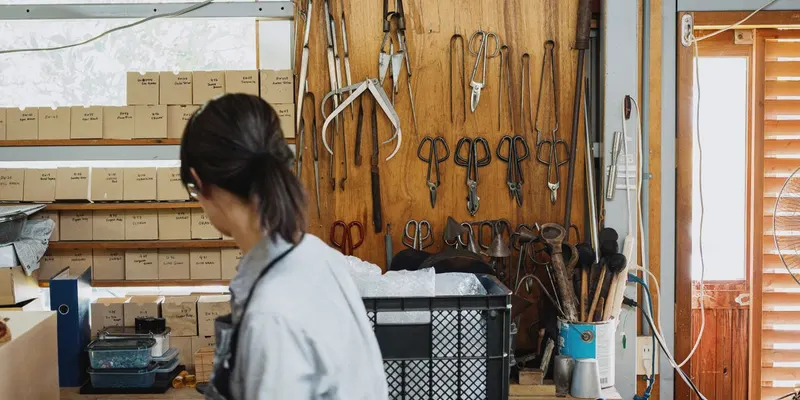
Taipei: Cultural Food Tour at Local Market with 12+1 Tasters
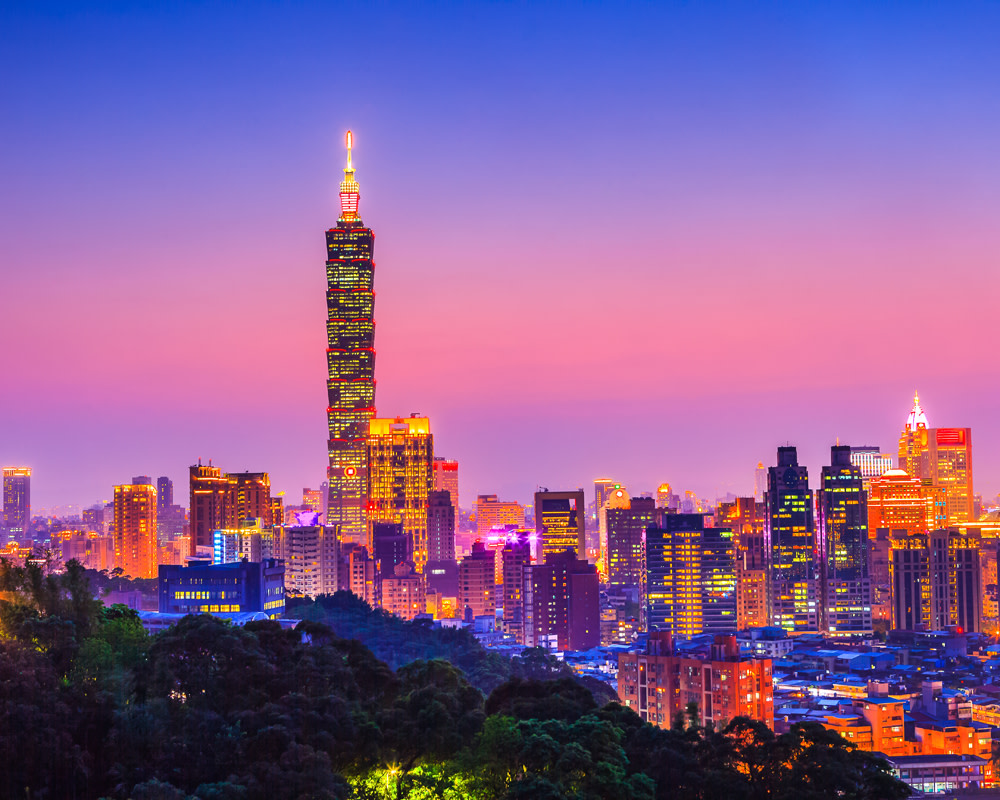
Taipei 101 Observatory Ticket

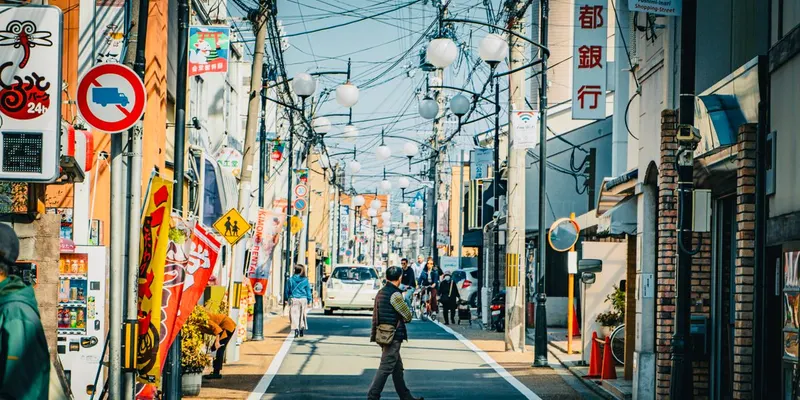
Taipei: National Taiwan Beer Brewery Tour Unlimited Tastings
Taiwan High Speed Rail Ticket for non-Taiwanese

Full-Day Private Northern Taiwan Tour from Taipei with Pickup
Taipei National Palace Museum Guided Tour
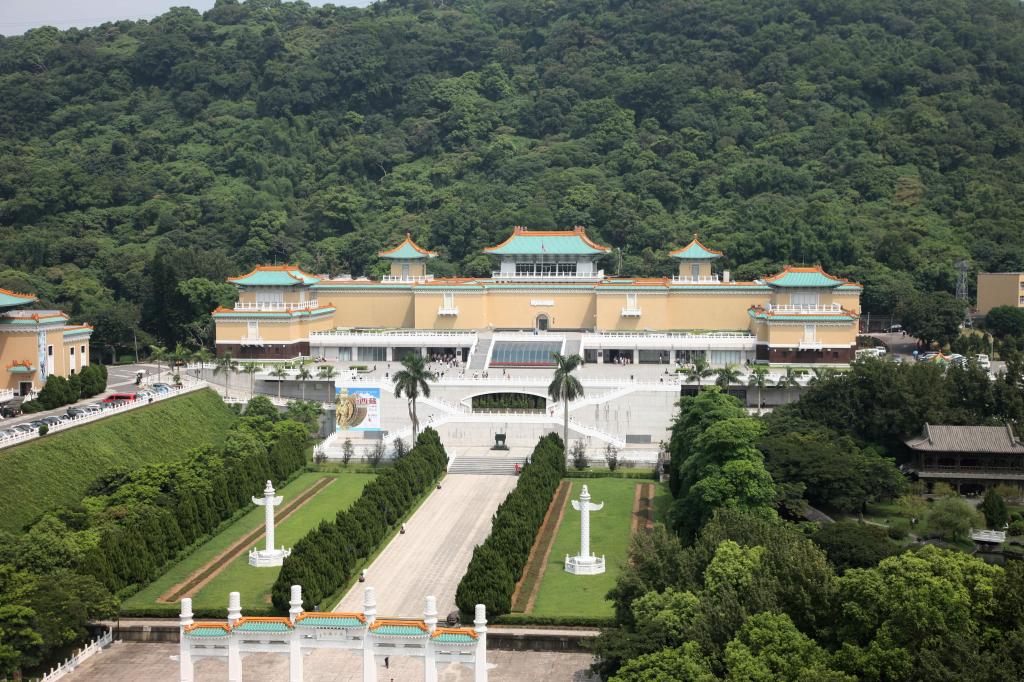
National Palace Museum Ticket in Taipei
#taiwan night markets#taiwan food#taipei#tainan
Frequently Asked Questions
Which Taipei night market should you visit if you only have time for one?
Shilin, since it's the largest and most visited, with the widest spread of stalls and games alongside food. Raohe is smaller and more walkable if you want a less overwhelming version of the same experience.
Are night markets safe and beginner-friendly?
Yes. They're dense and loud but low-risk, mostly families and groups eating street food. The main friction for first-timers is not knowing what a stall sells; pointing at what looks good works fine everywhere.
Is Tainan better for food than Taipei?
Different, not necessarily better. Tainan is Taiwan's oldest city and leans toward traditional street food tied to specific old shops, while Taipei's night markets are denser and more varied in one place. Food travelers often rate Tainan higher; convenience travelers usually prefer Taipei.
Do you need to speak Mandarin to order at a night market?
No. Pointing, photos on a phone, and cash work at nearly every stall. English menus are inconsistent, so treat the language barrier as a minor inconvenience, not a real obstacle.