South Korea Pre-Trip Checklist: 30 Things Before You Go
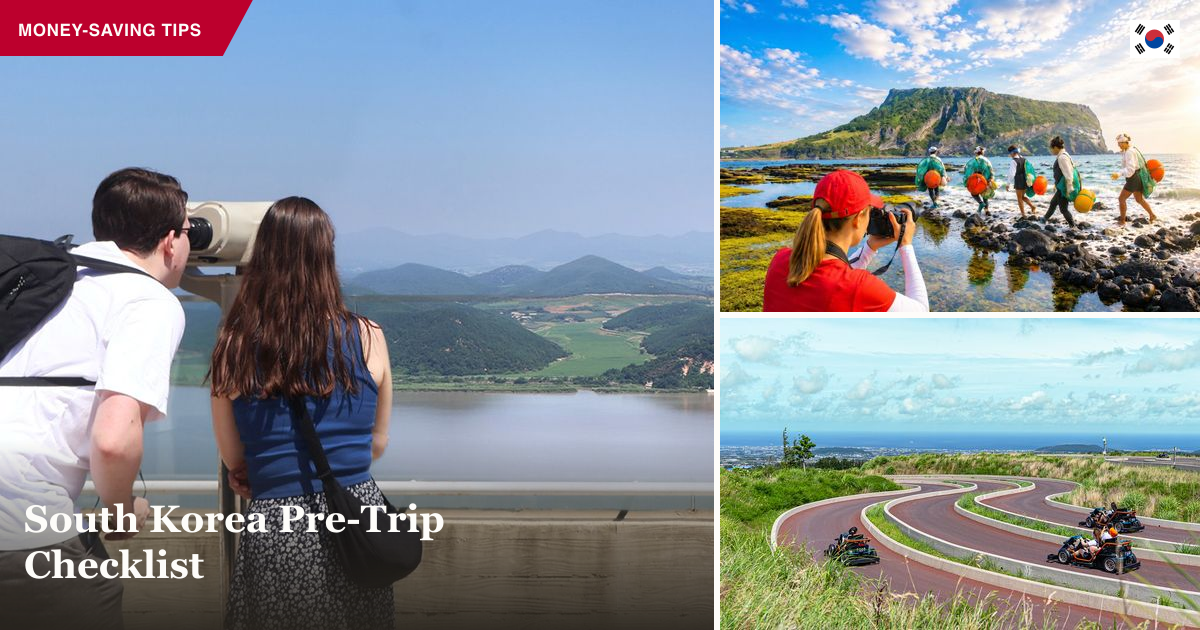
Thirty tasks, five groups: documents, money, packing, bookings, and apps. K-ETA approval and downloading a working map app are the two most-skipped items on a first South Korea trip, both need to happen before you land, not after.
Documents: K-ETA is the one that can stop your trip
K-ETA is the item on this entire list that can actually stop your trip before it starts, everything else here is a minor inconvenience to forget by comparison.
- Check your K-ETA requirement and apply at least a week ahead, approval can take up to 72 hours and it’s required before boarding, not on arrival.
- Confirm your passport has 6+ months validity remaining from your entry date.
- Print or save a digital copy of your K-ETA approval confirmation.
- Check your airline’s specific baggage allowance, budget carriers into Korea often charge separately for checked bags.
- Register your trip with your home country’s travel advisory service if that’s your government’s standard practice.
- Save your accommodation address in Korean script (not just English) for taxi drivers and arrival forms.
- Check whether your home country requires any additional Korea-specific entry paperwork beyond K-ETA.
Verdict: K-ETA is the one item on this list that can actually derail a trip if skipped, everything else here is inconvenient to forget, K-ETA can get you denied boarding.
Money: the T-money card matters more than the cash
South Korea runs on cards and apps more than most first-timers expect, but the T-money card is the one physical item that removes friction from every single day of the trip once it’s in your wallet.
- Notify your bank of Korea travel dates to avoid a card freeze on first use.
- Bring a no-foreign-transaction-fee card if you have one, Korea’s card infrastructure is strong enough that you’ll use it constantly.
- Exchange a small amount of Korean won before departure or on arrival, enough for a T-money card top-up and a meal or two.
- Buy a T-money card at the airport on arrival, sold at convenience stores and subway kiosks, load it with roughly ₩30,032-₩45,048 ($20-30)) to start.
- Check whether your card supports contactless payment, most Seoul and Busan vendors expect tap-to-pay now.
- Set a rough daily budget before you go, South Korea spans a wide range from street-food dinners to resort weekends.
- Download your bank’s app for real-time balance checks rather than relying on ATM receipts abroad.
Verdict: the T-money card is the single most useful purchase on this entire list, buy it in the first hour after landing, not later in your trip.
Packing: layers and the plug type that trips people up
- Pack layers regardless of season, Korea’s indoor heating and air conditioning both run stronger than many visitors expect.
- Bring a portable phone charger, map apps and translation apps both drain battery faster than a typical travel day.
- Pack comfortable walking shoes, palace grounds and hiking trails both involve more walking than a typical city break.
- Bring a compact umbrella if traveling during the summer monsoon stretch (roughly July-August).
- Pack a real coat and thermal layers for winter (December-February), Seoul’s cold is sharper than many first-timers expect.
- Bring a universal adapter, Korea uses Type C and F plugs, different from Type A/B countries.
- Pack modest clothing for temple and palace visits, shoulders and knees covered is the safer default.
Verdict: the layering and adapter items matter most, Korea’s plug type and seasonal temperature swings surprise first-timers more than anything else on this packing list.
Bookings to make before you land
- Book your first night’s hotel before arrival, don’t plan to find one on the ground after a long flight.
- Reserve any fixed-departure tours (DMZ, Gyeongju day tours) a few days ahead, these run on set schedules unlike single tickets. If you’re booking a DMZ tour through Viator specifically, submit passport details as soon as you book, not the night before, security clearance needs the lead time. See which DMZ tour to book if you haven’t picked one yet.
- Check if your KTX route needs advance booking during peak season (spring cherry blossom, autumn foliage, major holidays).
- Confirm airport transfer options for your specific arrival terminal and time.
- Book any hanbok rental or photo experience you specifically want, popular Gyeongbokgung-area shops fill up on weekends.
- If Jeju is part of your route, book that domestic flight leg separately, it doesn’t bundle with most international tickets.
Verdict: the DMZ tour and any Jeju domestic flight are the two bookings most likely to sell out if left until arrival, handle both before you land.
Apps to download
- Naver Map or Kakao Map, Google Maps’ Korea transit and walking directions are unreliable, use one of the two local apps instead.
- Papago, Naver’s translation app, generally outperforms Google Translate for Korean specifically.
- Your T-money balance/reload app if your phone supports it, useful for checking your card balance without a physical top-up machine.
Verdict: download and test Naver Map or Kakao Map before you land, not after you’re already lost outside a subway exit, Korea’s numbered exit system depends on knowing which one you need in advance.
Why K-ETA and map apps top this list
Every other item here is either cheap to fix on the ground (buying a T-money card, exchanging cash) or a minor inconvenience if forgotten (an extra layer, a spare charger). K-ETA and a working local map app are different, one can stop you from boarding, the other makes every single day of the trip harder than it needs to be. Handle both before departure, treat the rest of this list as good practice rather than trip-critical.
A realistic first-day timeline
Land, clear immigration with your K-ETA already approved, exchange or withdraw a small amount of won at the airport, then buy and load a T-money card at a convenience store or subway kiosk before you leave the airport building. Download Naver Map or Kakao Map on the airport wifi if you haven’t already, and confirm your first night’s hotel address is saved in Korean script for the taxi or airport express train. That sequence, documents cleared, cash and T-money sorted, map app working, before you’ve left the airport, prevents nearly every common first-day problem first-timers run into.
What you can safely skip
Not everything travelers over-prepare for actually matters here. You don’t need to pre-book a T-money card, source Korean currency in bulk before departure, or download every transit app available, one good map app beats three mediocre ones. Save your prep time for K-ETA, your first night’s accommodation, and any fixed-departure tour, the three items on this list with a real deadline attached.
Using this alongside your itinerary
This checklist assumes you already have a route planned. If you don’t yet, the ultimate South Korea travel guide covers how many days to budget for Seoul, Busan, and Jeju, and the getting around South Korea guide goes deeper on T-money mechanics and KTX booking once item 11 and item 24 above are actually in front of you.
Checklist last updated: August 23, 2026.
Book these while you’re there
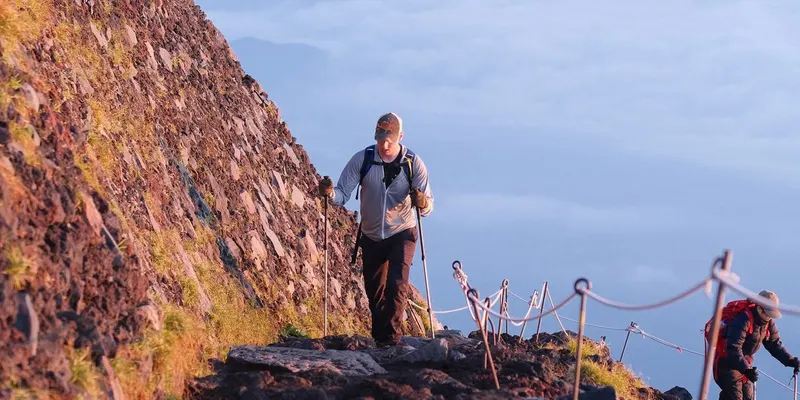
From Seoul: Seoraksan National Park & Sokcho Beach Day Trip

KORAIL PASS - KTX Train Ticket

Private DMZ Tour with North Korean Defector + N Korean Lunch
From Seoul:Seoraksan National Park and Sokcho Beach Day Trip

Korean Cooking Class with Grocery Shopping at Seoul Local Market
From Seoul: Daegwallyeong Ranch & BTS Bus Stop Private Tour

Jeju Eastern/ Western/ Hydrangea/ Seongsan Ilchulbong/ Private Tour
#south korea#checklist#first timer#packing
Frequently Asked Questions
What's the one thing most first-timers forget before a South Korea trip?
K-ETA. Many nationalities need this electronic travel authorization approved before departure, not on arrival, and approval can take up to 72 hours. Apply at least a week ahead, not the night before your flight.
Do you need to bring cash to South Korea?
Some, yes. South Korea is heavily card- and app-based, but small vendors, some markets, and rural bus fares still favor cash or a T-money card balance. Bring a modest amount of Korean won for the first day or two before you're set up.
Should you buy a T-money card before arriving?
No need, it's sold at convenience stores and subway stations right at the airport. Buy it on arrival rather than trying to source one before your trip, and load it with roughly ₩30,032-₩45,048 ($20-30)) to start.
What South Korea travel app matters most before departure?
Naver Map or Kakao Map, not Google Maps. Google's transit and walking directions are unreliable inside South Korea, download one of the two local apps and get familiar with it before you land, not after.