Malaysia Tourist SIM 2026: Hotlink vs Celcom vs Digi
Malaysia’s three big telecoms, Hotlink (Maxis), Celcom, and Digi, all sell tourist SIMs at KLIA and city shops with similar data and price. The brand matters less than the data tier and your phone. For most travelers with an eSIM-capable phone, buying the eSIM ahead and activating on arrival beats the airport counter entirely, which is why the physical SIM is now the fallback rather than the default.
The Malaysia eSIM guide covers that path; this one is for the physical-card buyer. This guide compares the three carriers so you don’t overthink the brand at the airport counter, where the staff will happily upsell the biggest tier.
Here is the math. Prices verified: August 27, 2026.
At a glance
Hotlink (Maxis), Celcom, and Digi all sell tourist SIMs at the airport with similar data and price. Coverage is strong in cities; Celcom and Maxis edge out slightly in rural Borneo. Pick on price and data tier, not brand. The eSIM (bought ahead) beats the counter for eSIM phones; the physical SIM is the airport fallback for a call need.
| Carrier | Strength | Buy |
|---|---|---|
| Hotlink (Maxis) | City + Borneo | Airport, shops |
| Celcom | Rural Borneo edge | Airport, shops |
| Digi | City, cheap tiers | Airport, shops |
The three carriers
| Carrier | Strength | Buy |
|---|---|---|
| Hotlink (Maxis) | City + Borneo | Airport, shops |
| Celcom | Rural Borneo edge | Airport, shops |
| Digi | City, cheap tiers | Airport, shops |
All three cover the west coast (KL, Penang, Langkawi) well. If your trip includes Borneo (Kota Kinabalu, Sabah interior), Celcom and Maxis have a slight edge in the rural interior, so lean that way if the east is in your plan.
For peninsula-only trips, pick on price, the tiers are near-identical at the counter. The staff will upsell the biggest tier; a mid tier is usually enough for 1-2 weeks of maps and messaging.
Verdict: Pick on data tier, not brand; Celcom/Maxis for Borneo.
SIM vs eSIM
| Physical SIM | eSIM | |
|---|---|---|
| Buy | KLIA counter | Online, pre-flight |
| Number | Yes | Usually no |
| Best for | Call needs, older phones | eSIM phones |
The guide is the pre-flight buy; a physical SIM is the airport fallback. If your phone is eSIM-capable, the eSIM is less hassle; if you need a local number or lack eSIM, the physical card at KLIA is the easy first stop.
Both get you on the same networks. The physical SIM’s only edge is the local number and the no-eSIM fallback. For everyone else, the eSIM is the friction-free play.
Verdict: eSIM if you can, physical SIM at KLIA if you can’t.
Who should skip this
- Biggest-tier upsell: a mid tier covers 1-2 weeks, don’t overbuy.
- Brand loyalty: the three are near-identical at the counter.
- eSIM-capable phones at the counter: you could have bought ahead and skipped the queue.
How to book (and common mistakes)
At KLIA, pick the cheapest mid-tier tourist SIM from any of the three; for Borneo, lean Celcom or Maxis. If your phone is eSIM-capable, buy the eSIM before you fly instead and skip the counter. A 5-10GB tier covers 1-2 weeks, over-buy for remote islands.
Final thoughts
Hotlink/Celcom/Digi are near-identical at the airport, pick on data tier. The KLIA guide covers the arrival; the Malaysia eSIM is the pre-flight alternative. The KL 3-day budget is the peninsula bookend.
Prices verified as of August 27, 2026. Confirm on the provider page before buying.
Pro tips (the stuff that saves you money)
- Hotlink, Celcom, Digi are near-identical at the airport, pick on price and data tier.
- Celcom and Maxis edge out slightly in rural Borneo, lean that way if the east is in your plan.
- A 5-10GB tier covers 1-2 weeks, don’t overbuy the biggest upsell tier.
- eSIM-capable? Buy ahead and skip the KLIA counter entirely.
The brand matters less than the data tier and your phone. For eSIM-capable travelers, the pre-flight eSIM beats the airport counter; the physical SIM is the fallback for a call need or older hardware. The guide covers the arrival, the guide is the pre-flight alternative, and the guide is the peninsula bookend.
The bottom line for budget travelers
At the KLIA counter, Hotlink, Celcom, and Digi are near-identical, so the brand shouldn’t drive your choice, the data tier and your phone should. All three cover the west coast well, and Celcom or Maxis edge out slightly in rural Borneo, so lean that way if the east is in your plan. A 5-10GB tier covers one to two weeks, and you should ignore the biggest upsell tier the staff pushes. For eSIM-capable phones, buying ahead and skipping the counter entirely is the friction-free play. The physical SIM is the fallback for a call need or older hardware, and it’s easy at the airport. Pick on price and data, not loyalty, and you’ll pay appropriately for what you actually use.
Book these while you’re there

From Kuala Lumpur: Sky Mirror, Fireflies & Blue Tears Tour
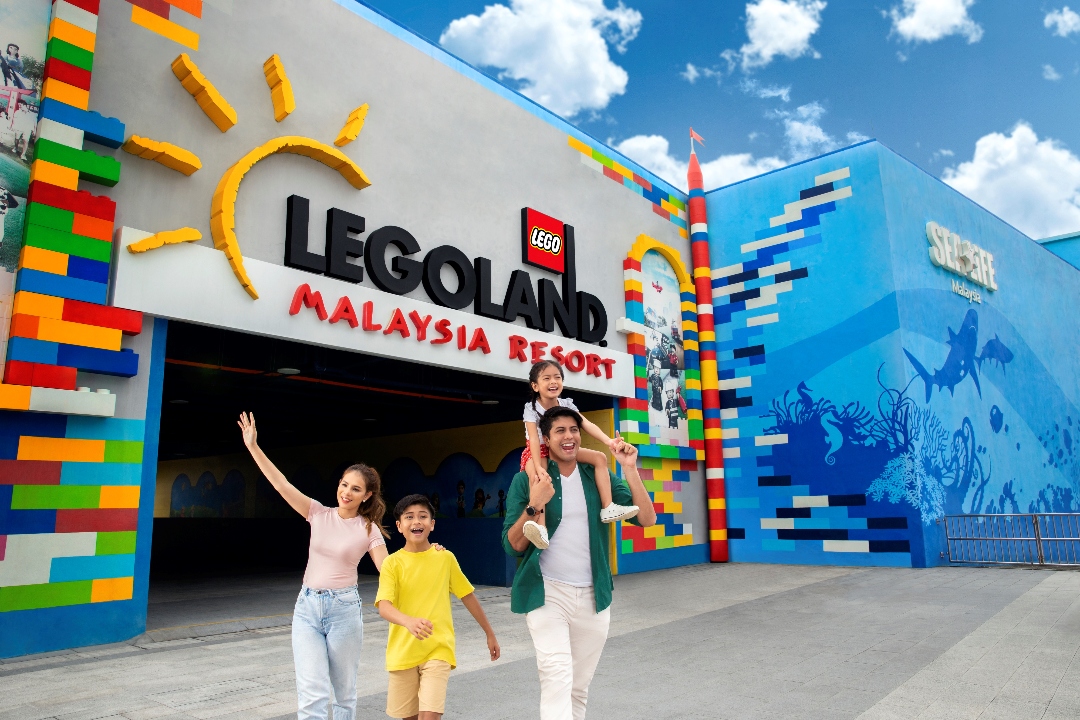
LEGOLAND Malaysia Ticket


Kuala Lumpur: Malacca Day Trip with River Cruise and Lunch
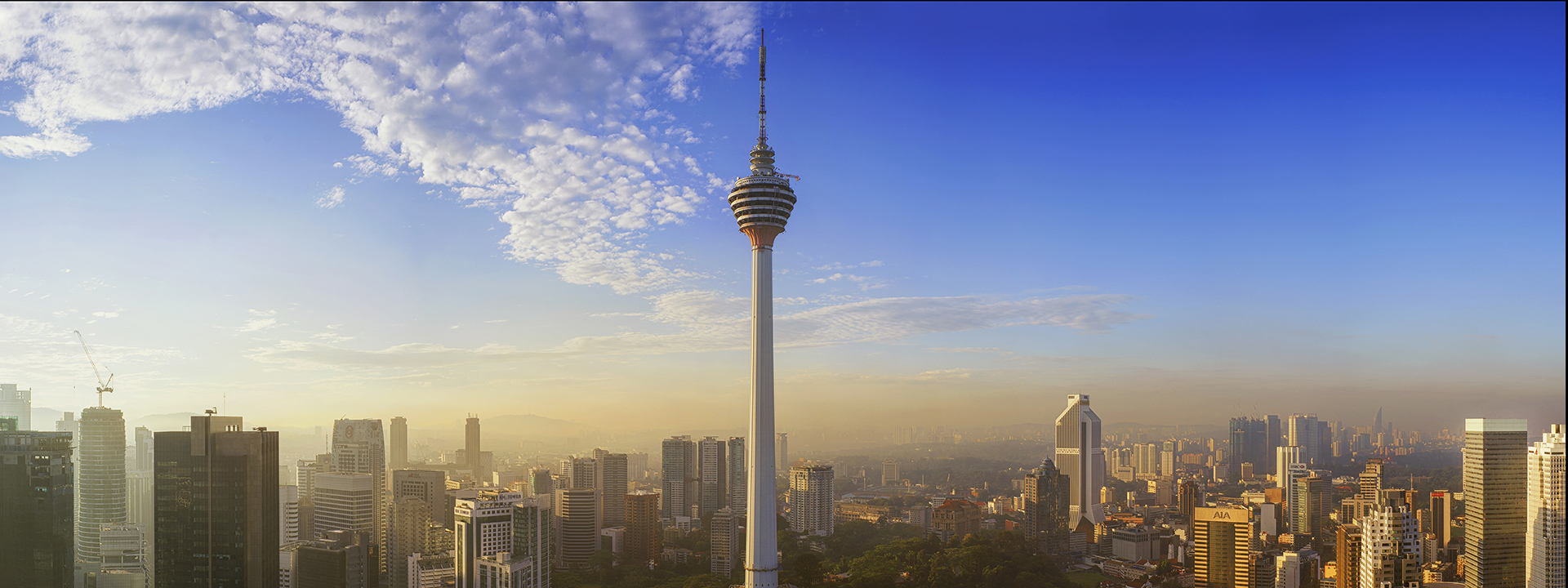
Kuala Lumpur Tower Ticket

Half-Day Mangrove Kayaking in Langkawi
From Kuala Lumpur: Genting Highlands & Royal Selangor Tour

Genting SkyWorlds Theme Park Ticket
Frequently Asked Questions
Which Malaysia tourist SIM is best?
Hotlink (Maxis), Celcom, and Digi all sell tourist SIMs with similar data at the airport. Coverage is strong for all three in cities; Celcom and Maxis edge out slightly in rural Borneo. Pick on price and the data tier, not the brand.
Where do I buy a Malaysia SIM?
At KLIA arrival halls, city telecom shops, and convenience stores. The tourist SIM counters at the airport are the easiest first stop.
Is eSIM better than a physical SIM in Malaysia?
If your phone supports eSIM, buying it ahead and activating on arrival beats the airport counter. A physical SIM is the fallback for older phones or if you need a local number.
How much data do I need?
A 5-10GB tourist SIM covers 1-2 weeks of maps and messaging across KL, Penang, and the islands. Remote Borneo and island coverage is patchy, over-buy.