Best Time to Visit Malaysia 2026: Month by Month

February is Malaysia’s best single month: dry season on the west coast, and just before the east coast islands reopen for their own peak. Beyond that one answer, timing here depends entirely on which coast you’re headed to, not the calendar month alone.
The two-coast problem
Malaysia’s coasts run opposite seasons. This is the fact that catches out more first-timers than any single attraction or hotel decision:
| Season | West coast (KL, Penang, Langkawi) | East coast (Perhentian, Redang) |
|---|---|---|
| Dec-Feb | Driest, best window | Monsoon, many resorts close |
| Mar-Jun | Good, shoulder season | Reopens, good diving |
| Jul-Oct | Warm, occasional rain | Peak season |
| Nov | Transition month both coasts | Transition month both coasts |
Verdict: if your trip only covers KL, Penang, and Langkawi, December-February is the clear pick. If Perhentian or Redang is on the itinerary too, that same window works against you, plan the island leg for March-October instead and treat the west coast cities as flexible around it. The coast-swap guide walks through exactly how that trade-off plays out across September through December specifically.
West coast: December-February is the safe default
Kuala Lumpur, Penang, and Langkawi all share the same dry-season logic. December through February brings the lowest rainfall and the most reliable outdoor days, good for walking George Town’s heritage zone, climbing Batu Caves’ staircase, or riding Langkawi’s Sky Bridge without a rain delay.
March through June is the shoulder season, still workable, occasional afternoon showers rather than sustained rain. July through October runs warm with more frequent rain, not a washout, but pack for it. Malaysia doesn’t cool down in any month near the equator, so “warm” versus “hot” barely shifts, rainfall is the real variable across all four windows.
East coast islands: the opposite calendar
Perhentian and Redang run on their own schedule, tied to the South China Sea’s monsoon pattern rather than the west coast’s.
| Window | What happens |
|---|---|
| Nov-Feb | Monsoon season, most resorts close entirely |
| Mar | Islands reopen, water still building back to peak clarity |
| Apr-Jun | Good diving and snorkeling conditions |
| Jul-Oct | Peak season, warmest water, most crowded |
A December trip planned around west coast dry season will find both islands shut. If diving or snorkeling matters to your trip, build the island leg for April through October and treat the west coast cities as the flexible half of the itinerary around it.
Cameron Highlands and Borneo: different rules again
Cameron Highlands, the cool-climate tea plantation region, runs cooler and often mistier than the coast year-round, its hill elevation matters more than the season for comfort. Rain is possible in any month, pack a light layer regardless of when you go.
Borneo (Sabah and Sarawak) follows its own rainforest rainfall pattern, generally wetter overall than the peninsula with less of a sharp dry/wet split. If Borneo is part of your trip, plan it as a separate weather decision, not an extension of whatever season works for KL or Penang.
Crowds and pricing by season
| Window | Crowd level | Hotel pricing |
|---|---|---|
| Dec-Feb (west coast peak) | Busiest on the peninsula, especially around Chinese New Year | Highest of the year |
| Mar-Jun | Moderate | Mid-range |
| Jul-Oct (east coast peak) | Islands busiest, west coast quieter | Island hotels peak, west coast mid-range |
| Nov | Quietest almost everywhere | Lowest, but weather risk both coasts |
Chinese New Year, which falls within the December-February window most years, is the single biggest crowd and price spike on the west coast specifically. If your dates land near it, book hotels and the KLIA transfer well ahead, and expect Petronas Towers and KL Tower tickets to sell out faster than usual.
What to pack, by season
Malaysia’s humidity doesn’t change much season to season, but rainfall and where you’re headed do, and that changes the packing list more than the calendar month alone.
| Season/region | What to pack |
|---|---|
| West coast, Dec-Feb | Light rain jacket, the driest window still gets occasional showers |
| West coast, Jun-Oct | A real umbrella or poncho, afternoon downpours are more frequent and heavier |
| Cameron Highlands, any month | A light sweater or long sleeves, elevation keeps it noticeably cooler than the coast |
| East coast islands, in-season (Mar-Oct) | Reef-safe sunscreen, coral reefs at Perhentian and Redang are sensitive to regular sunscreen |
| Borneo, any month | Quick-dry clothing and a dry bag, rainforest humidity and rain are a given regardless of season |
Temple visits (Batu Caves, Kek Lok Si) call for covered shoulders and knees regardless of season or temperature, pack at least one modest outfit that doesn’t depend on the weather.
Chinese New Year: the wildcard that shifts every year
Chinese New Year doesn’t fall on a fixed date, it moves within the January-February window most years, and it’s the single biggest crowd and price event on Malaysia’s west coast specifically. Hotels in KL and Penang book up further ahead than usual, KL Tower and Petronas Skybridge slots sell out faster, and Chinatown’s celebrations are worth seeing if your dates happen to overlap, but check the exact date for your travel year before assuming “December-February” means the same thing every year.
How season affects what things cost
Season doesn’t just change weather risk, it changes what your trip actually costs. Hotel rates in KL and Penang climb noticeably around the December-February peak and again around Chinese New Year specifically, while shoulder season (March-June) and the quieter July-October stretch typically bring softer pricing for the same rooms.
Activity pricing on Klook and Viator stays fixed year-round, a RM17 ($4.19) KL Tower ticket costs the same in July as it does in January, but availability tightens around peak dates for anything with limited capacity, Petronas Skybridge slots and Batu Caves tour departures especially. Booking those a few weeks ahead matters more during December-February than any other window.
Regional quick reference
| Region | Best window | Avoid |
|---|---|---|
| Kuala Lumpur | Dec-Feb, or Jun-Oct outside heavy rain spells | Chinese New Year dates, for crowds not weather |
| Penang & Langkawi | Dec-Feb | Nothing strict, year-round destination with a dry-season preference |
| Cameron Highlands | Any month, pack a layer | N/A, elevation buffers most seasonal swings |
| Perhentian & Redang | Mar-Oct | Nov-Feb, most resorts closed |
| Borneo (Sabah/Sarawak) | Apr-Sep, generally drier | Nov-Jan, wettest months in the rainforest interior |
Use this table as the starting filter for a multi-region trip, then apply the crowd and pricing notes above to fine-tune the exact dates once your regions are set.
Building a trip around this
For a west-coast-only trip (KL, Penang, Langkawi), aim for December-February and don’t overthink it further. For a trip that adds Perhentian or Redang, split the difference: book the islands for April-October and treat the west coast cities as the portion you can shift to fit around that window.
See our Kuala Lumpur budget guide and Penang budget guide for what each city actually costs once you’ve picked your dates, and the complete Malaysia travel guide for how to route the whole trip together.
Prices verified as of September 1, 2026.
Book these while you’re there

From Kuala Lumpur: Sky Mirror, Fireflies & Blue Tears Tour

LEGOLAND Malaysia Ticket

Kuala Lumpur: Malacca Day Trip with River Cruise and Lunch
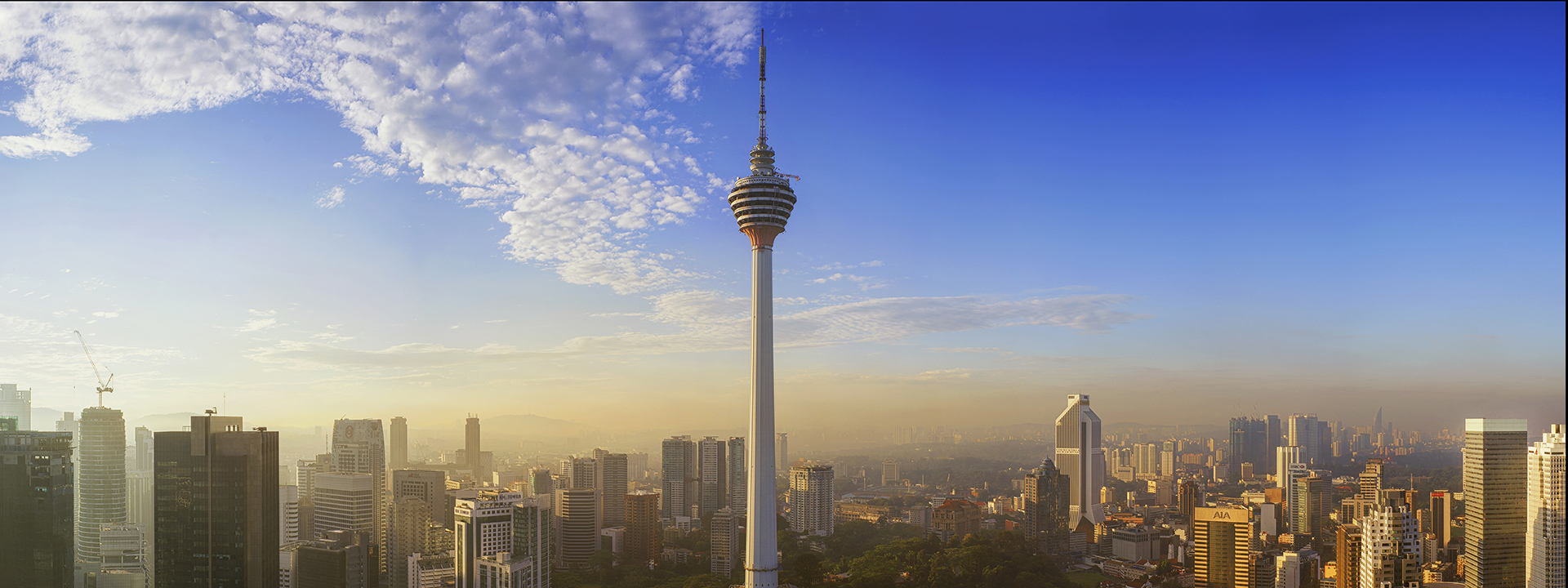
Kuala Lumpur Tower Ticket

Half-Day Mangrove Kayaking in Langkawi
From Kuala Lumpur: Genting Highlands & Royal Selangor Tour

Genting SkyWorlds Theme Park Ticket
#malaysia#best time to visit#weather#trip planning
Frequently Asked Questions
What's the single best month to visit Malaysia?
February. It's still inside the west coast's dry window (December-February) and just before the east coast islands reopen in March, so you get the driest weather on the peninsula without competing with peak island crowds yet.
Does Malaysia have a rainy season everywhere at once?
No, and that's the key planning fact. The west coast (KL, Penang, Langkawi) is driest December-February, while the east coast islands (Perhentian, Redang) hit monsoon at the exact same time and many resorts close entirely.
Is Malaysia too hot to visit in summer?
Malaysia stays hot and humid year-round, near the equator, temperature barely shifts by season. What changes is rainfall, not heat, so "summer" isn't a meaningful season marker here the way it is further from the equator.
When do the Perhentian and Redang islands close?
Most resorts on both islands close for the November-February monsoon window and reopen by March. Booking a west coast trip for December and expecting to add an island side-trip is the most common planning mistake first-timers make.