Sumo in Japan 2026: Tournament vs Show vs Morning Practice
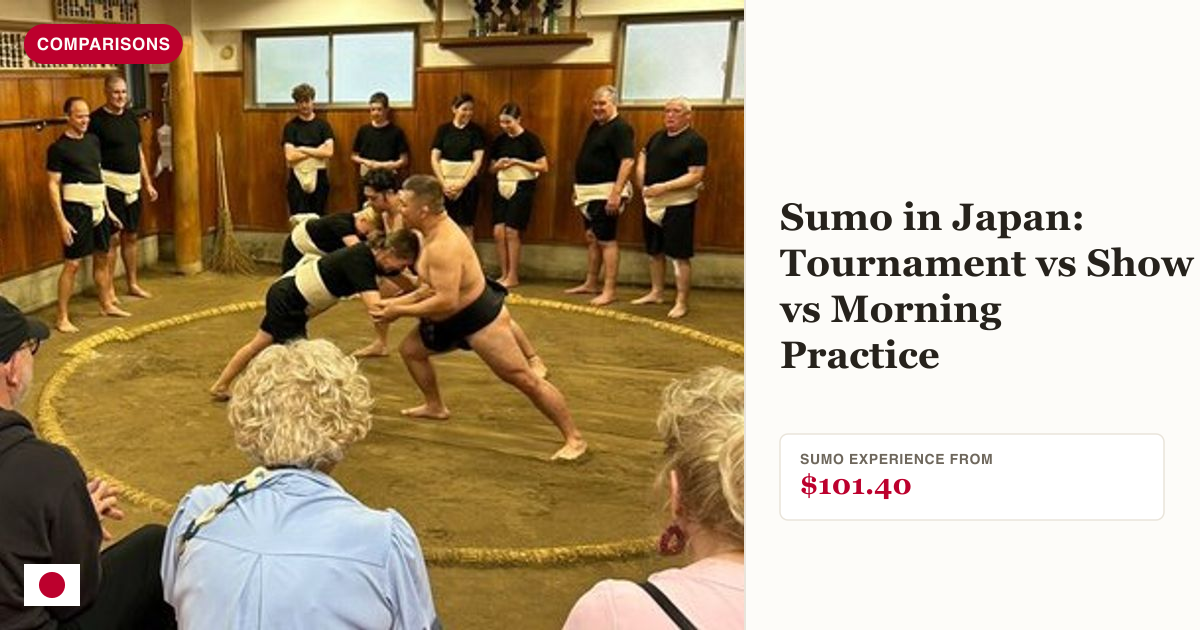
Sumo has a scheduling problem for travelers: real tournaments run only six two-week windows a year. Japan’s answer is a menu, basho tickets when the calendar cooperates, daily shows when it doesn’t, and dawn stable visits for purists. Prices and trade-offs:
Verified: September 8, 2026.
The three options
| Option | Price | When | What you get |
|---|---|---|---|
| Basho tournament | ¥4,000–12,000 | 6 windows/year | The real sport |
| Asakusa Sumo Show + chanko | ¥16,032 ($99.09) | Daily | Show + wrestler meal |
| Asakusa ANNEX with wagyu | ¥15,928 ($98.45) | Daily | Show + A5 beef dinner |
| Sumo Hall Hirakuza Osaka | ¥14,529 ($89.80) | Daily | Osaka’s theater version |
| Morning practice tour, Ryogoku | ¥16,032 ($99.09) | Practice days | The real thing, quietly |
Option 1: the real basho (best if dates align)
Tokyo (Jan/May/Sep, Ryogoku Kokugikan), Osaka (Mar), Nagoya (Jul), Fukuoka (Nov). Check your trip against this calendar FIRST, a ¥4,000 arena seat at a real basho beats every show below on authenticity per yen.
How to do it cheap: buy upper-tier arena seats officially (Ticket Oosumo, sales ~1 month out), arrive 2 PM for the lower divisions, stay through the 4–6 PM top-division bouts when the arena fills and the salt really flies. Bring konbini snacks; arena food queues are brutal.
Option 2: the shows (year-round answer)
Real retired wrestlers, English MC explaining rules and rituals, exhibition bouts, try-on-the-mawashi audience bits, and food:
- Asakusa Sumo Club (¥16,032 ($99.09)), the chanko-nabe (wrestler stew) version; the classic.
- ANNEX (¥15,928 ($98.45)), same show, A5 wagyu dinner instead. Pick by menu.
- Hirakuza Osaka (¥14,529 ($89.80)), Namba’s purpose-built theater; the Osaka itinerary’s splurge slot.
Honest framing: this is dinner theater about sumo, done well. Families and anyone with one Tokyo evening get their money’s worth; sports purists should hold out for a basho or the stable.
Viator sells a similar format, Step Into the Ring: Sumo Training and Chanko-Nabe (¥16,406 ($101.40), 14 reviews), pricier than Klook’s Asakusa show by ¥374 ($2.31) and with a lot fewer reviews behind it, worth checking only if the specific hands-on training angle appeals more than the show format.
Option 3: morning practice (the purist pick)
The Ryogoku morning practice tour (¥16,032 ($99.09)) gets you into a stable’s keiko with a sumo reporter explaining what you’re watching: the hierarchy, the drills, the silence. Rules are monastic, no talking, no flash, sit still for 90+ minutes. The most real sumo experience available outside a basho, and exactly wrong for restless kids.
Which one for you
- Trip overlaps a basho: tournament, obviously. Book seats the day sales open.
- One fun evening, any date: Asakusa show (Tokyo) or Hirakuza (Osaka).
- Sport nerd, no basho window: morning practice tour.
- Budget-tight: basho arena seat (¥4,000) if timing works, it’s a third of the show price. Otherwise, Ryogoku’s free sumo statues, the Kokugikan museum, and a chanko-nabe lunch in the district (~¥1,500) deliver a self-guided sumo half-day for pocket change.
Final thoughts
Check the basho calendar first; buy the show only after the calendar says no. Either way, eat the chanko.
More Tokyo evenings: experiences ranked per yen · Tokyo activities guide.
Prices verified as of September 8, 2026.
Book these while you’re there
Tokyo: Nikko Day Trip with Lake Chuzenji Boat Ride
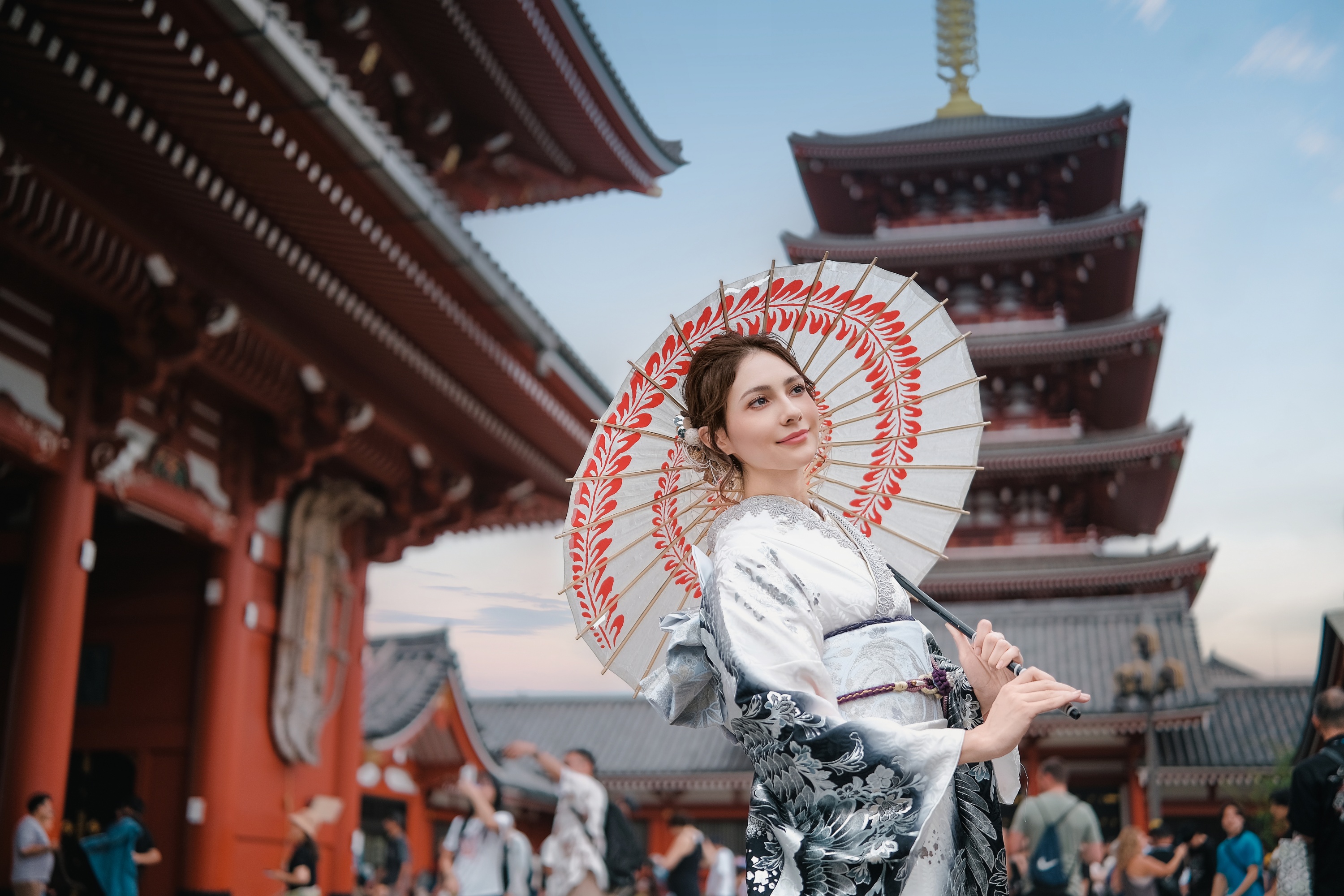
Asakusa Kimono & Furisode Rental Experience (Tokyo / Provided by Wasou Komachi Kanon)

Tokyo: Make Your Own Chopsticks Shibuya
Tokyo: Daikoku PA JDM Car Culture Tour with Hotel Pickup
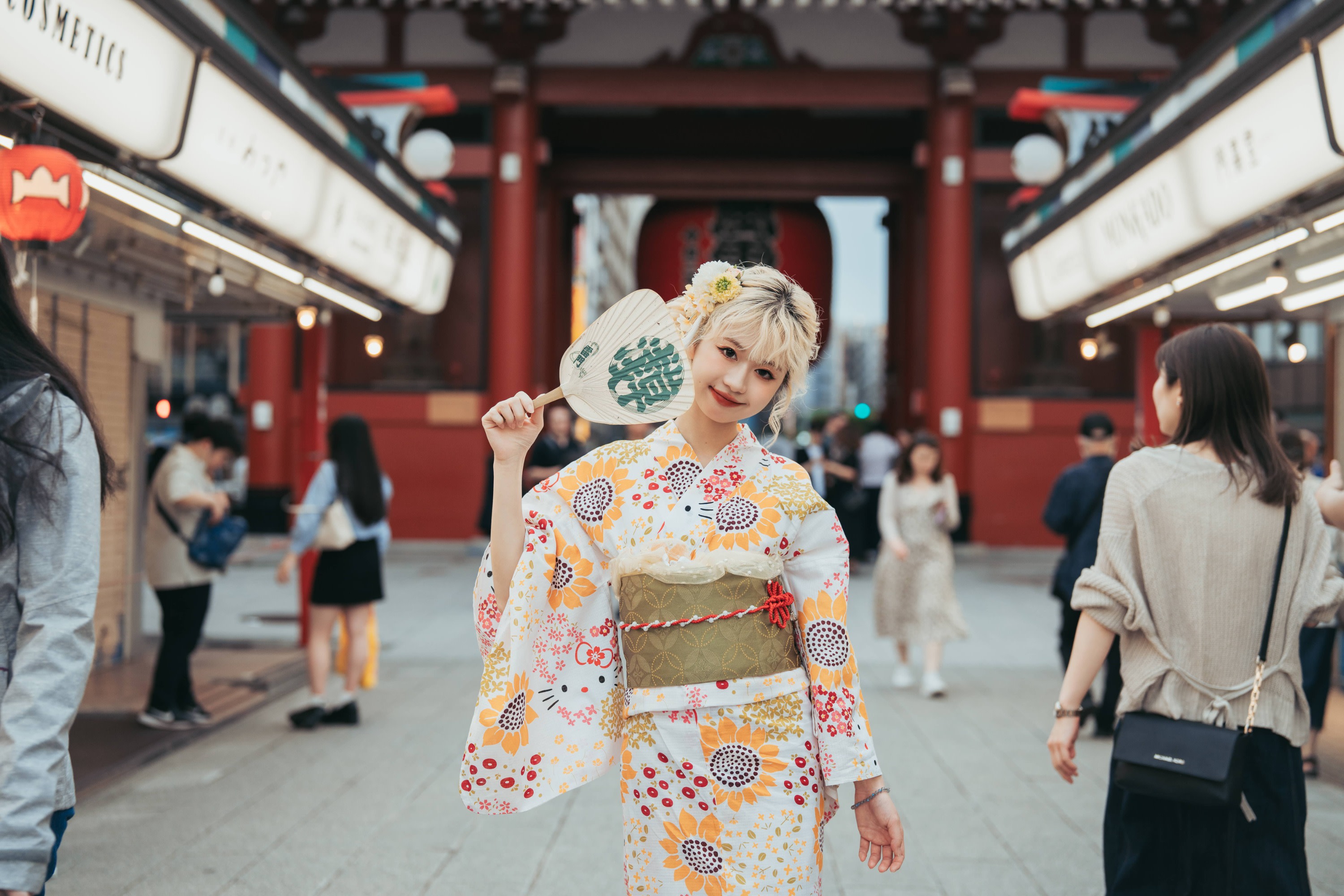
Asakusa Kimono&Yukata Rental at Kimono Miyabi Asakusa in Main Branch

Tokyo Private Curated Tour | Unique Insights & Must Sees
Nissan GT-R (R35) – 630 HP JDM Performance Experience
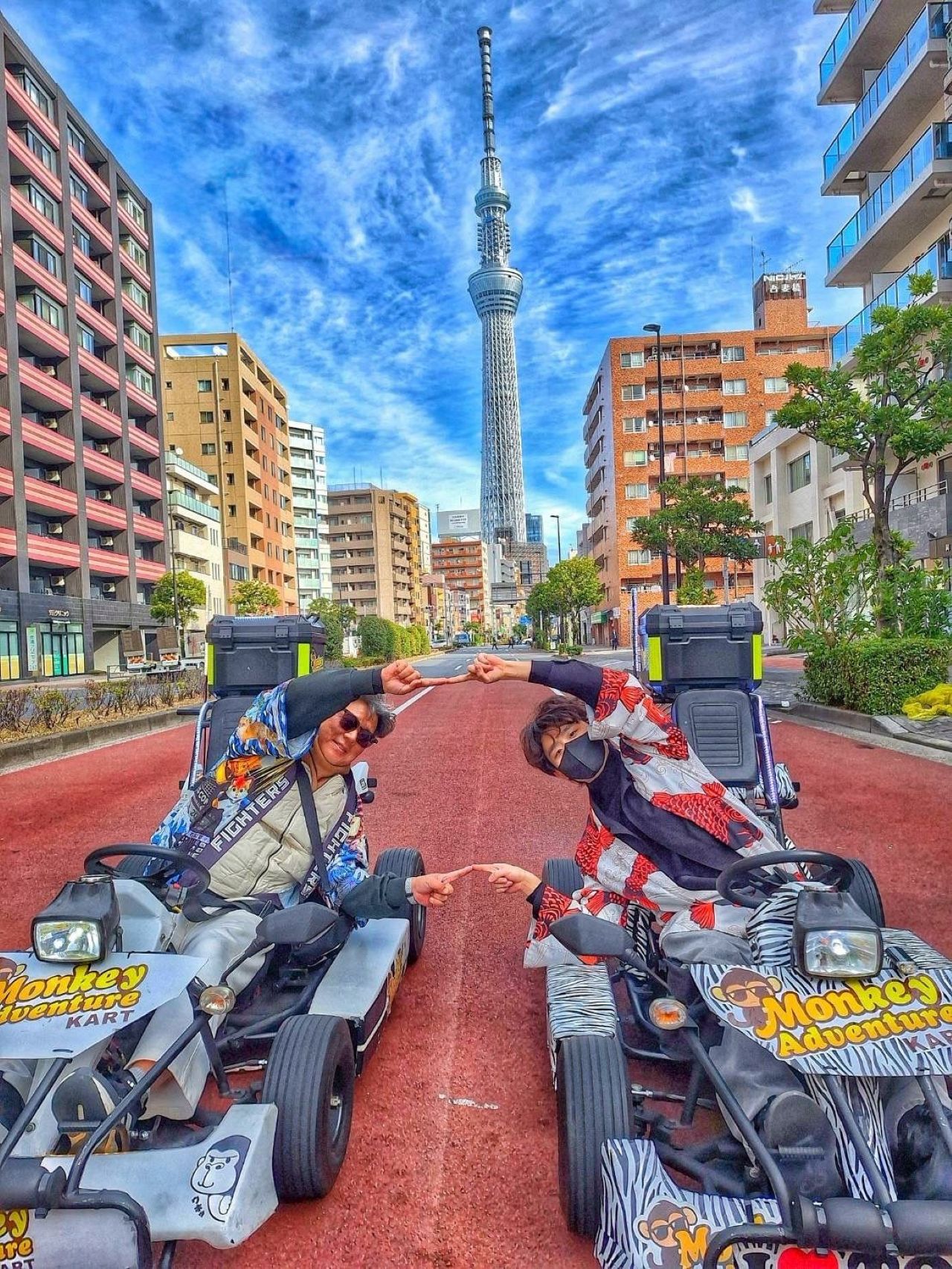
Asakusa to Akihabara Go-Kart Tour:Tokyo's Historic & Modern Landmark
Hilton Tokyo Narita Airport
save ¥7,910 vs sell price
Check rateFrequently Asked Questions
When are sumo tournaments in Japan?
Six 15-day basho a year: Tokyo in January, May, and September; Osaka in March; Nagoya in July; Fukuoka in November. Outside those windows, no tournament exists anywhere, that is what the daily shows are for.
How much are sumo tournament tickets?
Arena seats from about ¥4,000 to ¥12,000, box seats more; popular days sell out weeks ahead via the official Ticket Oosumo site. Same-day cheap seats exist but mean early-morning queues.
Are the sumo shows worth it if I can't attend a tournament?
Yes, with the right expectations: real former wrestlers, explained rules, staged bouts, audience participation, and a chanko-nabe meal, a cultural show, not competitive sport. At ¥14,399 ($89) to ¥16,017 ($99) they cost more than a real basho ticket but exist year-round.
Can tourists watch sumo morning practice?
Yes, through guided visits like the ¥16,017 ($99) Ryogoku morning practice tour, stables rarely accept walk-ins anymore. Strict silence and stillness apply; it is the most authentic option and the least entertaining for kids.