20 Most Beautiful Places in Hong Kong
Hong Kong’s skyline gets the postcard, but its coastline, outlying islands, and hiking trails are where the city’s actual natural beauty lives. Twenty spots, weighted toward the scenery most first-time visitors never budget time for.
Hiking and ridgeline views
Dragon’s Back. Hong Kong Island’s best-known ridge trail, ocean and outlying-island views for two to three hours of moderate walking. Covered in more depth in our landmarks and hidden gems guide, still the single best free scenic payoff on this list.
High Junk Peak. A steeper, less-crowded ridge hike in Sai Kung, coastal views comparable to Dragon’s Back with a fraction of the foot traffic.
Sharp Peak. Also in Sai Kung, one of Hong Kong’s more demanding day hikes, rewarded with some of the region’s best coastal panoramas from the summit.
Lion Rock. A shorter, steeper climb with a skyline-and-mountain view that’s more local-favorite than tourist-circuit, popular with Hong Kong residents on weekend mornings.
Ma On Shan. A longer New Territories hike through genuinely green, quiet terrain, one of the clearest examples of how different Hong Kong looks away from its harbor-facing image.
Coastlines and beaches
Shek O. A relaxed beach town on Hong Kong Island’s southeast side, often paired with a Dragon’s Back hike given their proximity.
Big Wave Bay. Near Shek O, Hong Kong’s small but genuine surf beach, a scene most visitors don’t associate with the city at all.
Sai Kung’s coastal waters. Clarity comparable to parts of Thailand or the Philippines on a clear day, accessible by kayak tours like the Tung Lung Island kayaking adventure (HK$363 ($46.25)) or Viator’s pricier Geopark Kayaking Adventure (HK$1,109 ($141.41), 4.8 stars across 31 reviews), both among this list’s few paid entries.
Repulse Bay. A more developed, resort-adjacent beach on Hong Kong Island’s south side, easier access than Shek O with a correspondingly busier atmosphere.
Outlying islands
Tai O. A traditional stilt-house fishing village on Lantau’s west side, one of the most photogenic spots in the entire territory and still genuinely lived-in rather than staged for visitors.
Cheung Chau. A car-free outlying island reachable by ferry from Central, narrow lanes, a working fishing harbor, and a noticeably slower pace than anywhere on Hong Kong Island. Covered as part of the Cheung Chau & Central heritage tour (HK$652 ($83.19)).
Lamma Island. Another car-free island, quieter than Cheung Chau, known for its seafood restaurants along the harbor and a genuinely rural interior.
Po Toi Island. The least-visited of Hong Kong’s outlying islands on this list, a small, rocky, largely undeveloped island reachable only on a limited ferry schedule, worth it specifically for how few other visitors make the trip.
Water and harbor scenery, done differently
Aberdeen Fishing Village. A working harbor with floating houseboats and a genuine fishing community, distinct from Victoria Harbour’s skyline-facing cruises. See the Aberdeen boat tour (HK$123 ($15.69)) in our best Klook tours guide.
Plover Cove Reservoir. A New Territories reservoir surrounded by hiking trails, an unusual sight for a city this dense, genuinely rural scenery within an hour of Central.
Ma Shi Chau Geopark. A small coastal geopark in Tai Po with distinctive rock formations, accessible via tours like the Tai Po Ma Shi Chau Geopark trip (HK$250 ($31.89)), which bundles fishing and canoeing into the same visit.
Tung Lung Chau. A small island near Sai Kung known for sea caves and coastal rock formations, best explored by kayak rather than on foot.
Botanical and green spaces
Hong Kong Park. Central’s green space, waterfalls and an aviary built into the middle of the financial district, a genuine contrast within walking distance of the Peak Tram base.
Nan Lian Garden. A Tang-dynasty-style garden in Diamond Hill, built without a single nail, a quiet, deliberately landscaped counterpoint to the city’s density right next to it.
Po Lin Monastery grounds. Beyond the Big Buddha itself, the monastery’s own grounds offer a quieter, greener scene most visitors skip after photographing the statue, covered in our landmarks and hidden gems guide.
Getting to these spots without a car
Hong Kong’s public transit reaches almost everything on this list, which is part of what makes it work as a nature destination despite the density. Dragon’s Back, Shek O, and Big Wave Bay are all reachable by MTR plus a short bus ride from Hong Kong Island. Sai Kung’s hikes and coastal waters need a bus from Diamond Hill or Choi Hung MTR stations, then local transport or a hired boat for the outlying waters themselves. Cheung Chau, Lamma, and Po Toi are all ferry-only from Central pier, no bridge access, which is exactly why they’ve stayed this undeveloped. Plover Cove and Ma On Shan sit in the New Territories, reachable by MTR to Tai Po Market or Sha Tin and a connecting bus.
Photography timing, if that’s part of the goal
Golden hour matters more on this list than almost anywhere else in a Hong Kong itinerary. Dragon’s Back and High Junk Peak both face east-to-southeast, making sunrise the stronger light for anyone willing to start before dawn, while Shek O and Big Wave Bay work better in late afternoon light facing the water. Tai O’s stilt houses photograph best in the soft light either just after sunrise or an hour before sunset, midday sun flattens the scene and the low-tide smell is also less pleasant in full afternoon heat. Cheung Chau and Lamma’s harbor scenes work at almost any time of day given their west-facing piers, but avoid the crowded midday ferry windows if empty-street shots matter to you.
What this list assumes you’ve already seen
This list assumes Victoria Peak, the Star Ferry, and Temple Street are already on your radar from other guides on this site, it doesn’t repeat them. If you haven’t built out the rest of a first-timer itinerary yet, start with the ultimate guide to where to go and treat this list as the add-on layer once the core route is set.
Why this list skews away from skylines
Hong Kong’s observation decks and harbor views already get covered in depth elsewhere on this site, our viewpoints comparison handles Victoria Peak and Sky100 directly. This list exists because the city’s natural side, hiking ridgelines, outlying islands, and coastal water, gets a fraction of the planning time in most first-time itineraries despite being genuinely comparable to what draws people to Southeast Asia’s beach destinations.
Building a nature-focused day or two
Pair Dragon’s Back or High Junk Peak with a Shek O or Big Wave Bay beach stop afterward, both hikes end close enough to the coast to make this a natural half-day-plus combination. For outlying islands, Cheung Chau and Lamma both work as standalone day trips by ferry from Central, don’t try to fit both into one day, each rewards a slower, unhurried pace more than a rushed double-island itinerary.
Prices verified as of August 27, 2026 where noted, most entries on this list are free to access beyond transit costs.
Book these while you’re there
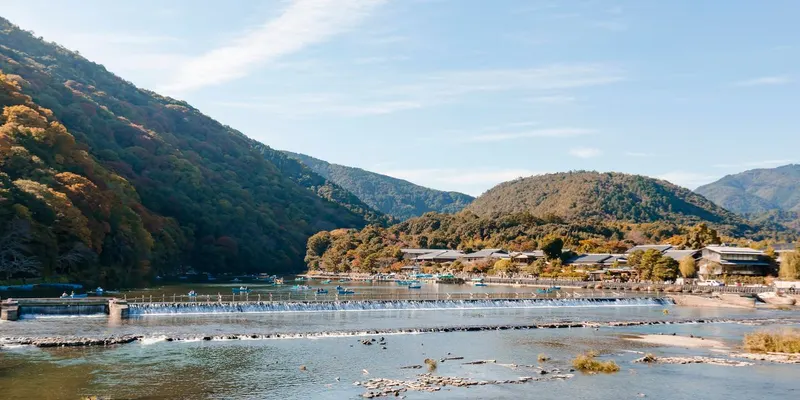
Hong-Kong: Island-Hopping Volcanic Rocks Yacht Tour + Snacks

Dining Offers at Hong Kong Disneyland Resort

Big Bus Hong Kong Open Top Hop-On Hop-Off Sightseeing Tour
Hong Kong Private Tour by Luxury 7‑Seater with Top Guide
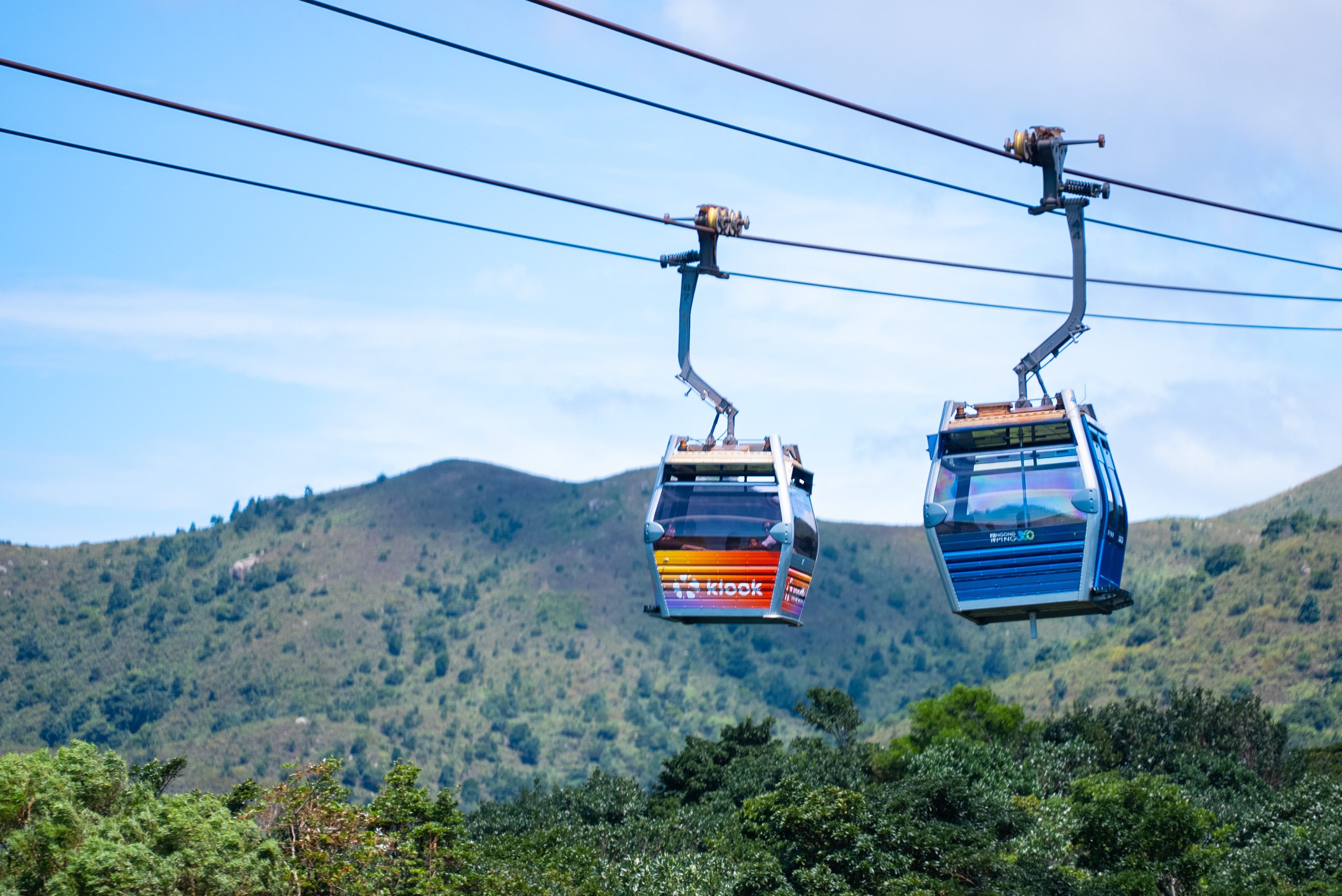
Ngong Ping 360 Cable Car Ticket in Hong Kong

Hong Kong International Airport Plaza Premium Lounge Access

Hong Kong Airport: Plaza Premium First Airport Lounges
#hong kong#scenic#hiking#nature
Frequently Asked Questions
Is this list the same as your observation decks guide?
No. Our [observation decks and scenic viewpoints guide](/hong-kong/blog/observation-decks-scenic-viewpoints-hong-kong/) compares paid skyline platforms against free harbor-level views. This list leans natural and coastal scenery instead, hiking trails, beaches, and outlying islands, with only light overlap.
Do you need to be a serious hiker to see Hong Kong's scenic side?
No. Several entries on this list (Tai O, Cheung Chau, Aberdeen) require no hiking at all, just a ferry or bus ride. The hiking entries (Dragon's Back, High Junk Peak) are moderate trails, not technical climbs.
What's the single most underrated scenic spot in Hong Kong?
Sai Kung's coastline and outlying waters, genuinely comparable to Thailand or the Philippines in water clarity on a clear day, and consistently skipped by first-time visitors who don't realize it's inside city limits.
When's the best season for Hong Kong's hiking trails?
October to December, the same dry, mild window that suits the rest of a Hong Kong trip. Summer's heat and humidity make longer trails genuinely uncomfortable, and typhoon risk can close trail access with little notice.