14 Hong Kong Dim Sum Spots Worth the Line
Hong Kong’s dim sum scene splits cleanly into two categories: genuine local favorites where the line is the food’s own reputation working as intended, and tourist-trap versions of the same idea charging a premium for less. Fourteen spots, honestly sorted.
Local favorites worth the line
Tim Ho Wan (multiple locations). The world’s cheapest Michelin-starred restaurant, char siu bao (baked BBQ pork buns) is the signature order. Verdict: the queue is real, especially at the original Sham Shui Po location, but the price-to-quality ratio here beats almost anywhere else on this list.
Lin Heung Tea House (Central). Old-school trolley-cart service, dim sum wheeled table to table rather than ordered from a slip, a format that’s mostly disappeared elsewhere in the city. Verdict: worth it once for the experience, service is brusque by design, not a relaxed-meal pick.
Maxim’s Palace (Central, City Hall). A large, classic dim sum hall with harbor views and a more traditional cart-service format than most modern spots. Verdict: solid for a group booking, the harbor view adds real value if you can get a window table.
One Dim Sum (Prince Edward). A neighborhood spot, another Michelin-recognized budget dim sum option away from the main tourist circuit. Verdict: cheaper than Tim Ho Wan’s more famous branches and a shorter line, worth the detour into Prince Edward specifically for this.
Australia Dairy Company (Jordan). Not dim sum, but Hong Kong’s classic cha chaan teng (local diner) for scrambled eggs on toast and milk tea. Verdict: brusque, fast, and cheap, the honest baseline for what everyday Hong Kong eating actually costs and tastes like.
Kau Kee Restaurant (Sheung Wan). Beef brisket noodles, a genuine local institution with a line that forms well before opening. Verdict: come hungry and come early, it’s not dim sum but belongs on any honest Hong Kong food list.
Mak’s Noodle (Central). Small, precise bowls of wonton noodles, a family recipe running since the 1960s. Verdict: portions are intentionally small, order two rounds rather than expecting one bowl to fill you up.
Tourist traps to skip or approach carefully
Big-name hotel dim sum brunches. Several five-star hotels run elaborate weekend dim sum spreads at prices well above standalone restaurants for comparable food. Verdict: pay for the setting and service, not the dumplings, worth it once for an occasion, not the default choice on a budget trip.
Temple Street’s tourist-facing seafood stalls. Priced noticeably higher than the same dishes a few streets over, banking on foot traffic rather than repeat local customers. Verdict: fine for the atmosphere and people-watching, don’t expect the best value seafood in the neighborhood here.
Symphony of Lights viewing-deck restaurants. Restaurants marketed specifically around the nightly light show view charge a premium for the window seat itself. Verdict: the show is free from the Tsim Sha Tsui promenade, don’t pay restaurant markup for a view available at no cost a few steps away.
Generic “Chinese buffet” spots near major hotels. Broad, unfocused menus aimed at convenience over quality, common near Tsim Sha Tsui and Causeway Bay’s hotel clusters. Verdict: skip in favor of literally any single-focus restaurant on the local-favorites side of this list.
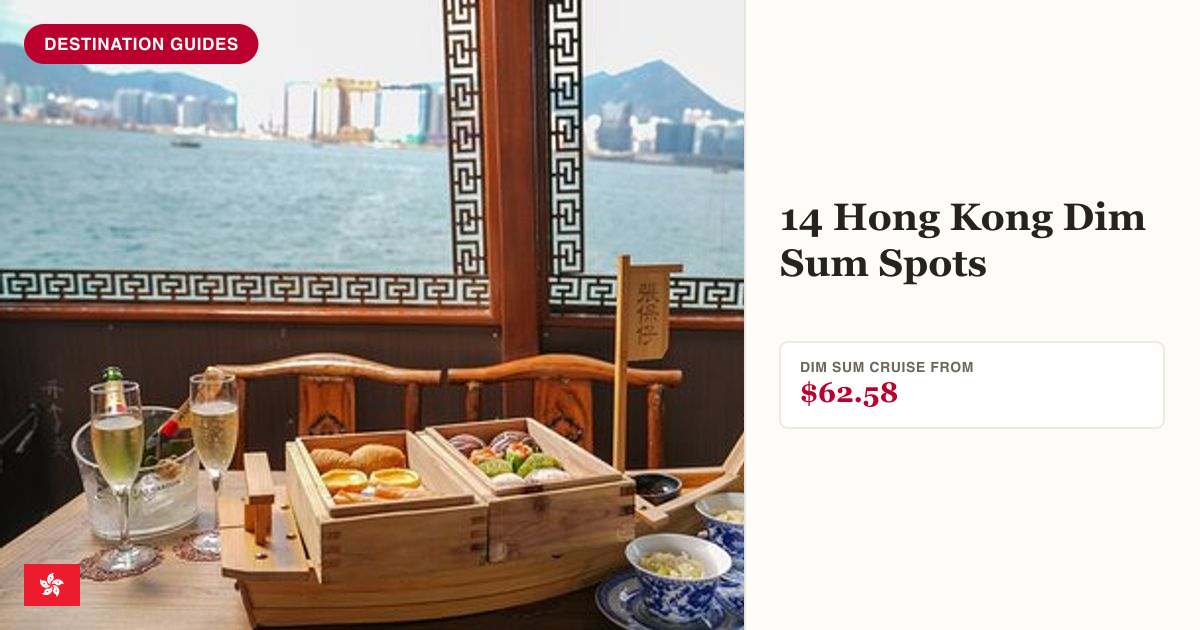
Pre-packaged “dim sum experience” tours bundled with a harbor cruise. Convenient, but the food is secondary to the cruise itself and rarely matches a dedicated restaurant. Verdict: fine if the cruise is the actual draw, don’t book expecting a top-tier dim sum meal as the highlight.
Souvenir-adjacent egg waffle and street snack stalls in the busiest tourist strips. Priced up simply for location, Mong Kok and Causeway Bay’s side streets sell the same egg waffles cheaper a block or two away from the main strip.
“Authentic” restaurants with English-only menus and photos of every dish out front. A reliable tourist-trap signal in Hong Kong specifically, genuine local spots rarely need photo menus to explain what a dish looks like. Verdict: not a hard rule, but treat it as a caution flag worth checking against a second opinion before committing.
Ordering etiquette that actually matters
At trolley-cart spots like Lin Heung and Maxim’s Palace, you flag down carts as they pass rather than ordering from a menu, and the bill gets tallied from the stamped card left on your table, don’t lose it. At order-slip spots like Tim Ho Wan, mark your choices directly on the paper menu with the pencil provided, staff move fast during peak hours and a hesitant order gets skipped for the next table. Tea (usually pu-erh or jasmine) is assumed, not optional, and refills are typically self-serve or a simple hand signal to staff.
Rough cost tiers, so you know what to expect
Local dim sum spots on this list generally run cheap by any international standard, a filling meal for one person rarely clears the price of a mid-range coffee back home, Tim Ho Wan and One Dim Sum sit at the affordable end even by Hong Kong’s own standards. Maxim’s Palace and Lin Heung run a step up for the setting and cart service, still inexpensive relative to a hotel brunch. The tourist-trap side of this list charges roughly double to triple what the equivalent local spot costs for comparable or lesser food, the premium buys location and convenience, not better cooking.
The pattern behind the split
Every tourist trap on this list charges a premium for something already free or cheap nearby, the view, the convenience, the reassurance of an English menu. Every local favorite earns its line through the food itself, and most of them are unglamorous by design, brusque service, plastic stools, fluorescent lighting. If a Hong Kong restaurant looks designed for a photo, that’s usually the tell.
Building a food-focused day
Pair Tim Ho Wan or One Dim Sum for lunch with a Kau Kee or Mak’s Noodle dinner, splitting your day between two different local formats rather than three dim sum meals in a row. For a guided version of this same ground without doing your own restaurant research, the Deluxe Hong Kong Day Tour bundles a Peak Tram ride with a dim sum stop, useful for a first day before you’ve built confidence navigating queues solo. Viator runs a similar combo, its Peak Tram, Dim Sum & Cultural Sights tour runs HK$635 ($81.03) with 182 reviews at 4.3 stars, worth comparing against Klook’s version before booking either.
Sham Shui Po: this list’s most underrated food district
Several of this list’s best-value picks (Tim Ho Wan’s original branch, cheaper noodle shops generally) sit in or near Sham Shui Po, Kowloon’s least gentrified major district and this site’s pick for district number nine in our neighborhood guide. Food prices here consistently run lower than Tsim Sha Tsui or Causeway Bay for a comparable or better meal, a direct benefit of the area staying outside the main tourist circuit.
Prices and hours change often at family-run spots specifically, confirm current opening times before building a tight schedule around any single restaurant on this list.
Book these while you’re there

Hong-Kong: Island-Hopping Volcanic Rocks Yacht Tour + Snacks
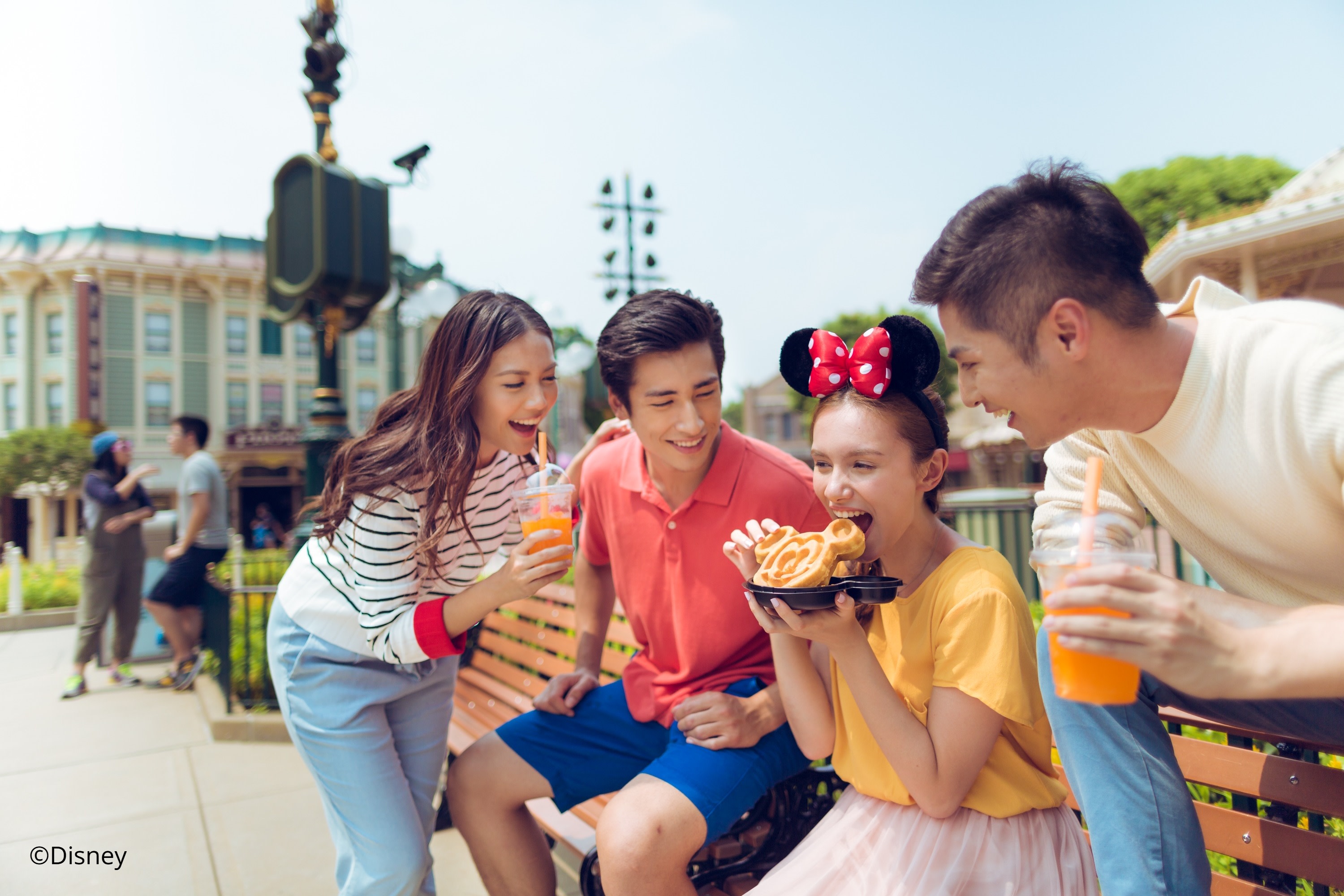
Dining Offers at Hong Kong Disneyland Resort

Big Bus Hong Kong Open Top Hop-On Hop-Off Sightseeing Tour
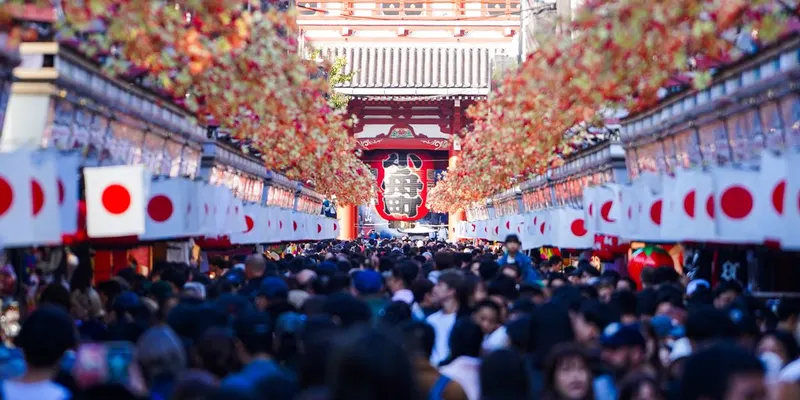
Hong Kong Private Tour by Luxury 7‑Seater with Top Guide
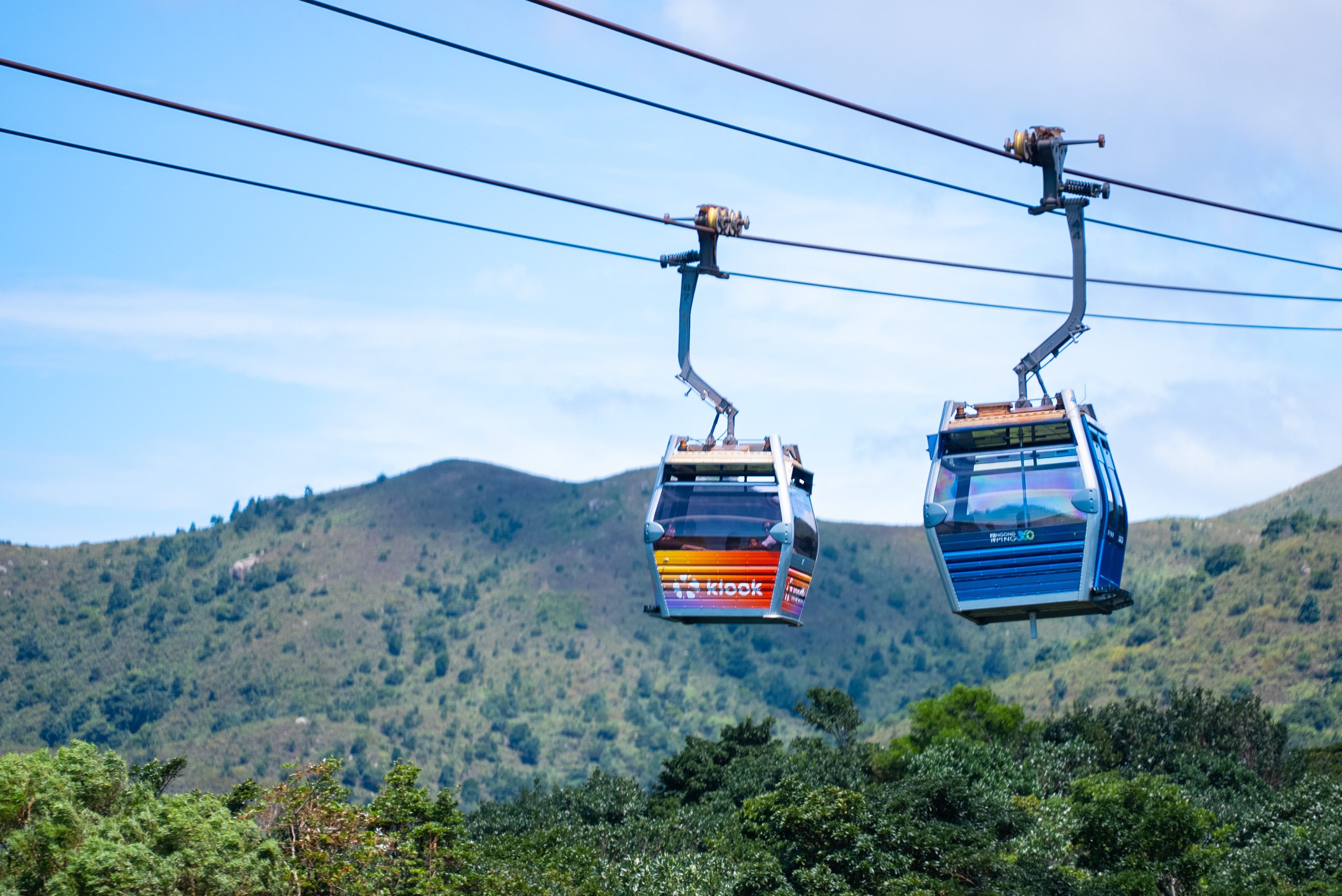
Ngong Ping 360 Cable Car Ticket in Hong Kong

Hong Kong International Airport Plaza Premium Lounge Access

Hong Kong Airport: Plaza Premium First Airport Lounges
#hong kong#dim sum#food#restaurants
Frequently Asked Questions
What's the single best-value dim sum spot in Hong Kong?
Tim Ho Wan, the world's cheapest Michelin-starred restaurant chain. Expect a real queue at its original Sham Shui Po and Mong Kok locations, but the char siu bao alone justifies the wait.
Is Lin Heung Tea House worth the trolley-cart chaos?
Yes, once, for the experience itself. Lin Heung still serves dim sum from old-school pushcarts rather than order slips, genuinely disappearing elsewhere in the city, but service is brusque and it's not the place for a relaxed meal.
Are hotel dim sum brunches overpriced?
Generally yes relative to a standalone restaurant, you're paying for the setting and service more than the food itself. Worth it once for a special occasion, not the default move for a budget trip.
Do I need a reservation for Hong Kong's most popular dim sum spots?
For the well-known ones (Tim Ho Wan, Lin Heung, Maxim's Palace), no reservations are typically taken and a line is standard, especially on weekends. Arrive before 11am or after 2pm to cut the wait meaningfully.