The Ultimate Hong Kong Travel Guide: Where to Go
Hong Kong Island, Kowloon, and the outer islands sit close enough on a map to look like one trip, but the harbor between Hong Kong Island and Kowloon means you’re crossing water constantly, not walking. Budget three full days minimum, and lean on the MTR from day one.
How the city is laid out
Hong Kong splits into four parts that matter for a first trip:
| Area | Character | What’s there |
|---|---|---|
| Hong Kong Island | Financial core, upscale | Victoria Peak, Central, Causeway Bay |
| Kowloon | Denser, more budget-friendly | Temple Street, Tsim Sha Tsui harbor front |
| Lantau Island | Rural, spread out | Big Buddha, Hong Kong Disneyland, airport |
| New Territories | Suburban, green | Hiking trails, quieter day trips |
Most first-time itineraries live on Hong Kong Island and Kowloon, with Lantau as a half-day or full-day add-on. The New Territories reward a longer stay more than a first trip, they’re worth it if you have five-plus days and want a break from the density.
Our destination hub pages break down each of these further, including Kowloon, Lantau Island, and New Territories.
Getting around: the Octopus card
An Octopus card covers the MTR, buses, trams, and the Star Ferry, and it doubles as payment at convenience stores and many restaurants. Get one on day one at any MTR station.
The MTR reaches almost every neighborhood on a typical itinerary directly, so you’re rarely more than a short walk from a station. For a slower, cheaper crossing of Hong Kong Island’s north shore, the century-old Ding Ding trams are worth taking at least once, not because they’re faster (they aren’t) but because the street-level view beats the MTR’s underground one.
The practical rule: Octopus card first, MTR for anything cross-district, trams when you’re not in a hurry. For top-up options and fare specifics, see our Octopus card and MTR guide.
Where to go: a first-timer’s route
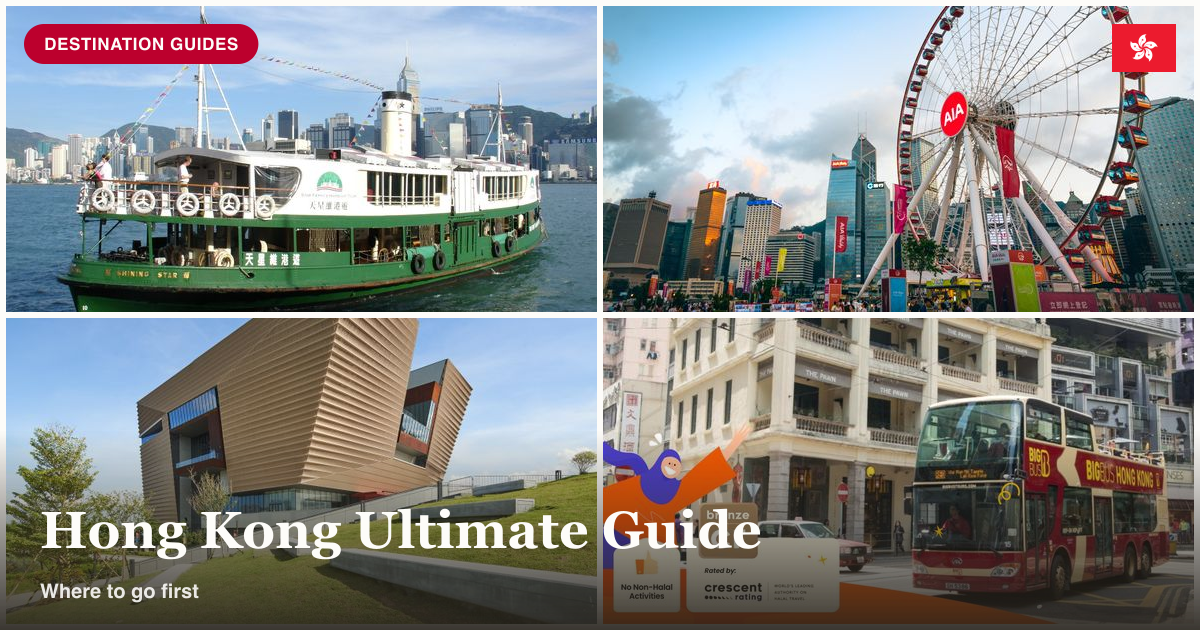
Start on Hong Kong Island. The Peak Tram up to Victoria Peak is the classic move, arrive early (before 10am) to beat the queue, since the line for the tram itself can eat an hour midday. From the Peak, the Star Ferry back across the harbor gives you one of the cheapest and best skyline views in the city, so don’t treat the ferry as just transport, it’s a sight in its own right.
Cross to Kowloon for Temple Street Night Market, the classic setting for street food, fortune tellers, and bargain shopping. Tsim Sha Tsui’s harbor-front promenade is the spot for the nightly skyline view looking back at Hong Kong Island, and it costs nothing.
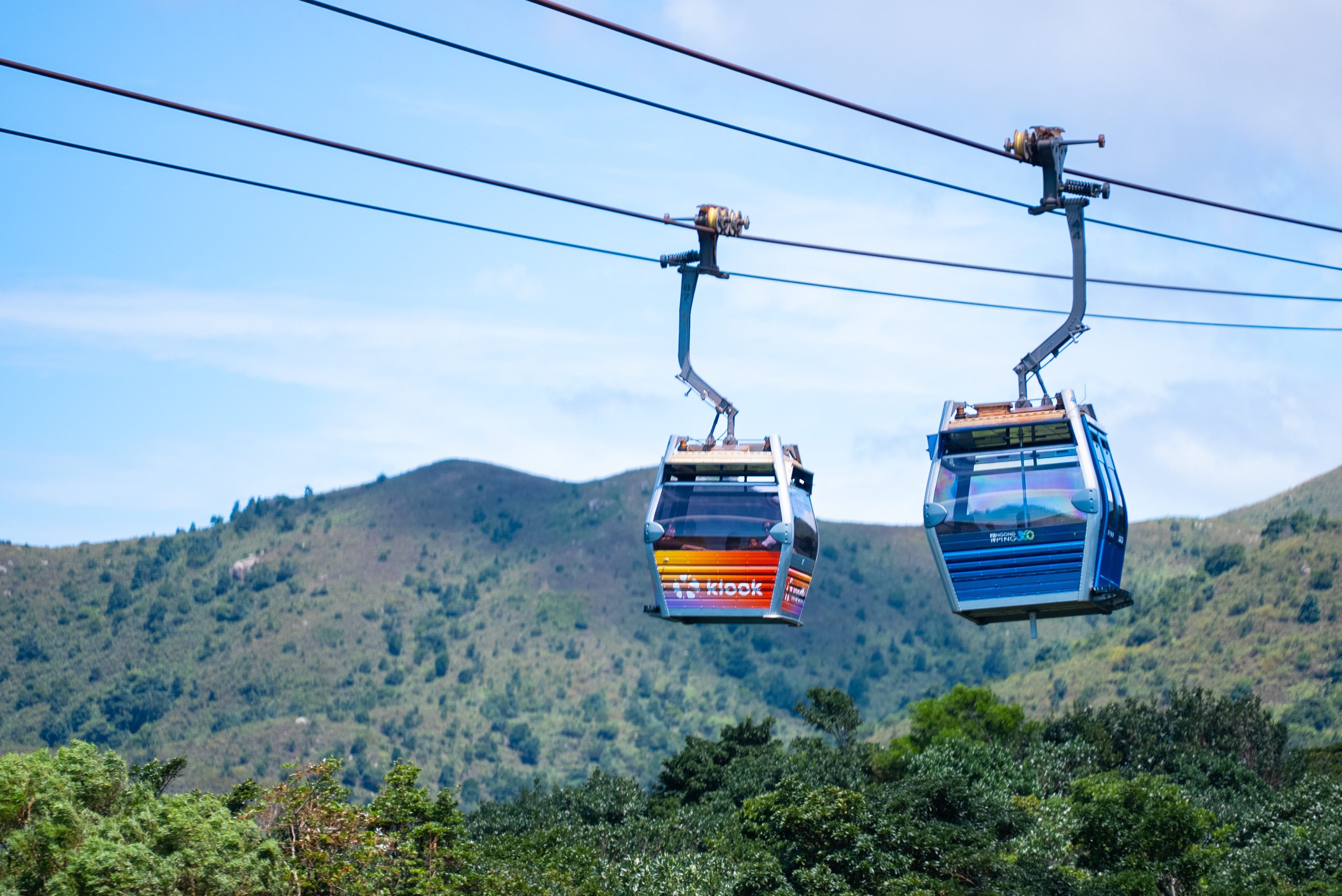
If you have a fourth day, Lantau Island earns it: a cable car ride up to the Big Buddha and Po Lin Monastery, with Hong Kong Disneyland as an alternative if you’re traveling with kids or just want an easier pace. Viator sells its own Ngong Ping 360 cable car ticket with 563 reviews behind it, the deepest review count of any Lantau ticket across this site’s affiliate providers, though its 3.6-star average trails Klook’s better-rated combo tours, weigh volume against rating before booking.
For the full list of sights beyond this core route, see our 15 must-visit attractions grouped by area and the 20 must-see attractions organized by trip length.
Hong Kong Island or Kowloon: where to stay
| Neighborhood | Best for | Trade-off |
|---|---|---|
| Causeway Bay | Shopping, dining, dense MTR access | Busier, mid-to-high price range |
| Tsim Sha Tsui (Kowloon) | Harbor views, near Temple Street | Usually cheaper than Hong Kong Island |
| Central | Closest to Peak Tram and Soho nightlife | Priced at the top of the market |
| Mong Kok | Markets, budget-friendly | Less polished, more chaotic street life |
Tsim Sha Tsui is the default pick if budget matters and you still want the harbor view from your side of the water. Central suits travelers prioritizing proximity to the Peak Tram and willing to pay for it. Mong Kok is the value play if you don’t mind a grittier base. For a fuller breakdown of each neighborhood’s price range, see our where to stay in Hong Kong guide.
When to visit: October-December beats summer
October to December is Hong Kong’s best weather window: mild, dry, and low-humidity. Summer (June to August) runs hot and humid with real typhoon risk, and a typhoon signal can shut down outdoor attractions and ferries with little notice, which matters if your itinerary is tight. Winter (January to February) stays mild and cool, rarely cold enough to need more than a light jacket.
If your dates are flexible, aim for the October-December window. If you’re locked into summer travel, build in a buffer day in case a typhoon signal grounds the ferries or cable car for an afternoon.
Day trips worth the extra time
Macau sits a short ferry ride from Hong Kong and works as a standalone day trip if you have a fourth or fifth day free. It’s a different pace and a different colonial-era architecture mix than anything on the Hong Kong side, which is why it’s worth treating as an add-on rather than skipping in favor of a second day in Kowloon.
The New Territories are the other extension, quieter and greener than Hong Kong Island or Kowloon, and better suited to a longer stay than a first three-day trip. If you’ve already covered the core route above and still have days left, the New Territories reward slowing down more than they reward a rushed half-day visit.
Neither day trip is essential on a first visit. Both are worth planning around if your trip runs four days or longer, since they round out a Hong Kong Island plus Kowloon plus Lantau itinerary with something genuinely different rather than more of the same harbor views.
A sample 3-day route
Day 1: Hong Kong Island - Peak Tram up, Star Ferry back, evening in Causeway Bay or Central. Day 2: Kowloon - Tsim Sha Tsui harbor front by day, Temple Street Night Market and Mong Kok markets by night. Day 3: Lantau Island - cable car to the Big Buddha and Po Lin Monastery, or Hong Kong Disneyland if traveling with kids.
Extend to four or five days by adding a Macau day trip, our Macau day trip hub covers what that adds. For a narrower comparison of paid versus free viewpoints before you commit to the Peak Tram queue, see our observation decks and viewpoints comparison.
Before you go, check our packing list so you’re not scrambling for a rain layer if summer humidity or a typhoon signal catches you off guard.
Book these while you’re there

Hong-Kong: Island-Hopping Volcanic Rocks Yacht Tour + Snacks

Dining Offers at Hong Kong Disneyland Resort

Big Bus Hong Kong Open Top Hop-On Hop-Off Sightseeing Tour
Hong Kong Private Tour by Luxury 7‑Seater with Top Guide
Ngong Ping 360 Cable Car Ticket in Hong Kong

Hong Kong International Airport Plaza Premium Lounge Access

Hong Kong Airport: Plaza Premium First Airport Lounges
#hong kong#itinerary#first timer
Frequently Asked Questions
How many days do you need in Hong Kong?
Three full days covers Hong Kong Island and Kowloon without rushing. Four to five days adds Lantau Island and a Macau day trip. Anything under three days means picking one side of the harbor and skipping the other.
Is Hong Kong walkable, or do you need transit?
You need the MTR. The city is dense and vertical, not flat and compact, and neighborhoods you'd assume are close (Central to Kowloon, for instance) are separated by the harbor. Buy an Octopus card on arrival, you'll use it every day.
Which side should you stay on, Hong Kong Island or Kowloon?
Kowloon (Tsim Sha Tsui) gets you the harbor view and is usually cheaper. Hong Kong Island (Causeway Bay or Central) puts you closer to the Peak Tram and the financial district's dining scene. Neither is wrong, pick based on budget and how much you value the skyline view from your window.
What's the best time of year to visit?
October to December. Mild, dry, low humidity. Summer brings heat, humidity, and real typhoon risk that can shut down ferries and outdoor attractions with little warning.