Hong Kong Landmarks & Hidden Gems: An Adventure Guide
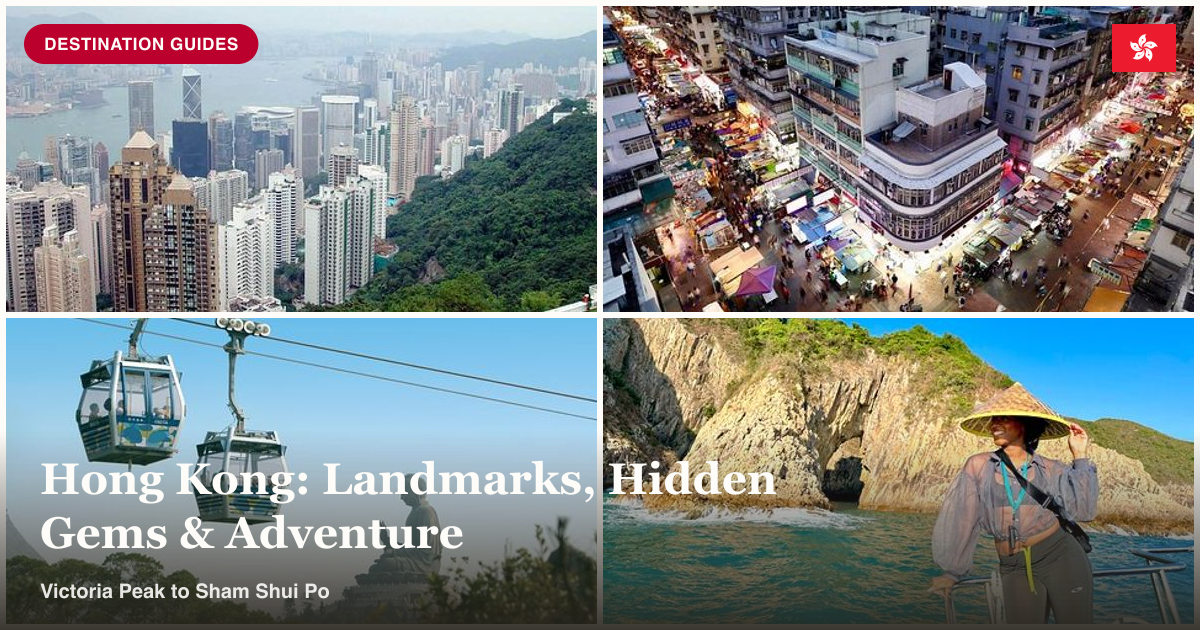
Victoria Peak and the Star Ferry cover Hong Kong’s iconic side. Mong Kok’s Flower Market and a Dragon’s Back hike cover the side most first-timers skip. Both belong in the same trip.
The iconic landmarks: worth the crowds
Three sights define most people’s mental image of Hong Kong before they’ve ever been.
Victoria Peak. The Peak Tram funicular is the classic way up, and the harbor skyline view from the top is the widest single-frame shot available in the city. Arrive before 10am, the tram queue and viewing platform both fill up fast by midday.
Star Ferry. One of the world’s cheapest harbor crossings, and still one of the best skyline views in the city, no queue, no ticket beyond the fare itself. Take it in both directions if you have time, morning and evening light change the view enough to justify the repeat.
Temple Street Night Market. Kowloon’s classic night market, street food, fortune tellers, and bargain shopping packed into a few blocks that come alive after sunset.
Verdict: these three are iconic because they deliver, not just because they’re photographed often. Don’t skip any of them on a first trip, regardless of how “touristy” they read on paper.
The lesser-known spots: no detour required
Beyond the landmarks, a handful of spots stay genuinely under-visited relative to how good they are.
Mong Kok’s Flower Market. Sits a few streets from the much busier Ladies’ Market, and stays noticeably quieter. It’s a real working flower market, not staged for visitors, and a slow walk-through takes twenty minutes but rewards a second look at the stalls.
The Ding Ding trams. Everyone takes the MTR, almost nobody deliberately rides the century-old street-level trams across Hong Kong Island’s north shore just for the view. They’re slower than the subway, on purpose, that’s the appeal.
New Territories hiking trails. Quieter and greener than Hong Kong Island’s more-visited trails, and mostly skipped on first trips simply because visitors run out of days before running out of Hong Kong Island and Kowloon sights.
Po Lin Monastery. Most visitors photograph the Big Buddha and leave, see our Lantau day trip guide for the cable car and Tai O logistics that fill out the rest of that trip. The monastery itself, a short walk below, gets a fraction of the foot traffic despite sitting right next to the main attraction.
Verdict: none of these require a special detour, they’re on the way to or adjacent to attractions you’re likely visiting anyway. The only cost is slowing down enough to notice them.
Adventure idea: Dragon’s Back
Dragon’s Back is a ridge-line hiking trail on Hong Kong Island’s southeast side, often called one of Asia’s best urban hikes, and it’s the single best outdoor addition to a Hong Kong itinerary.
| What to know | Detail |
|---|---|
| Difficulty | Moderate, some elevation gain, no technical sections |
| Time | 2-3 hours for the main scenic stretch |
| What you get | Coastal views, ridge-line trail, genuinely different scenery from anywhere else on this list |
| What to bring | Proper footwear, this matters more than fitness level |
The trail’s appeal is that it delivers a scenic payoff comparable to a paid viewpoint, for free, on foot. It sits apart from the harbor-facing views that dominate the rest of a typical Hong Kong itinerary, ocean and outlying islands instead of skyline and harbor.
Budget half a day: transit out, the hike itself, transit back. It’s not a detour that fits into a packed sightseeing day alongside two or three other stops, treat it as its own half-day block. If figuring out the trailhead solo isn’t appealing, Viator runs a guided Dragon’s Back Hiking Tour (HK$939 ($119.72), 4.8 stars across 58 reviews) that handles the transit and route for you.
Why the hidden gems stay quiet
None of the lesser-known spots on this list are secret in the sense of being hard to find, they’re a few minutes’ walk from attractions that draw far bigger crowds. The Flower Market sits close enough to Ladies’ Market that most visitors could reach it in ten minutes and simply don’t, because Ladies’ Market is the name that shows up on every list.
The same pattern holds for Po Lin Monastery next to the Big Buddha, and the Ding Ding trams next to the MTR. In each case, the well-known option is genuinely good, which is exactly why so few visitors bother looking past it. That’s the actual mechanism behind most “hidden gems” in a city this well-mapped: not obscurity, just proximity to something more famous that absorbs all the attention.
The practical upside is that none of these require extra transit or a special trip out. They cost you ten to twenty minutes of slower walking on a day you’re already in the area, which is a low price for a noticeably different experience than the main attraction next door.
Combining the two categories in one day
The best days on a Hong Kong itinerary usually mix an iconic stop with a quieter one rather than stacking three famous landmarks back to back. A morning at Victoria Peak followed by an afternoon at the Flower Market covers both registers of the city, the postcard shot and the unhurried local scene, without the day feeling like a checklist.
The same logic applies to Dragon’s Back. Pair the hike with something low-key afterward, a slow walk through a quiet Hong Kong Island neighborhood or an early dinner near wherever you’re staying, rather than trying to follow a three-hour hike with another packed attraction. The trail already delivers the day’s scenic payoff, there’s no need to chase a second one right after it.
Putting a route together
A landmarks-plus-hidden-gems day might run: morning Peak Tram and Star Ferry (iconic), afternoon Mong Kok Flower Market and a Ding Ding tram ride (lesser-known), saving Dragon’s Back for its own half-day rather than squeezing it in.
For the full comparison of paid Peak Tram views against free alternatives like the Star Ferry, see our observation decks and viewpoints comparison. For the broader area-by-area attraction list this guide complements, see our 15 must-visit attractions and the 20 must-see attractions by trip length.
Dragon’s Back and the Mong Kok markets both sit on the Hong Kong Island destination hub and Kowloon destination hub respectively, with more local detail than fits here.
If Dragon’s Back is on your route, check our packing list first, proper footwear is the one thing worth planning ahead for on this list.
Book these while you’re there
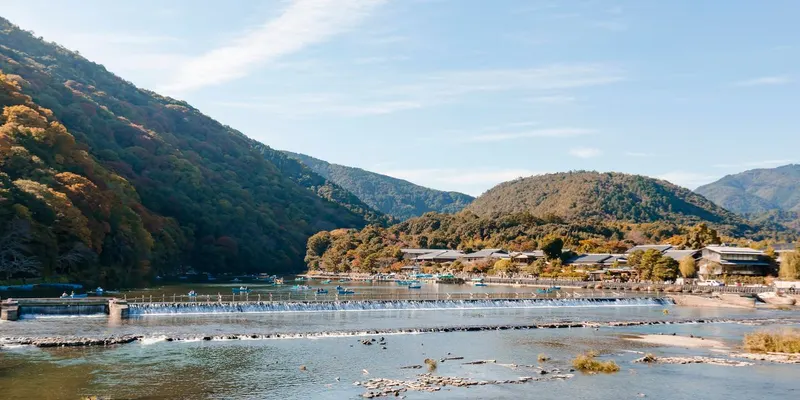
Hong-Kong: Island-Hopping Volcanic Rocks Yacht Tour + Snacks

Dining Offers at Hong Kong Disneyland Resort

Big Bus Hong Kong Open Top Hop-On Hop-Off Sightseeing Tour
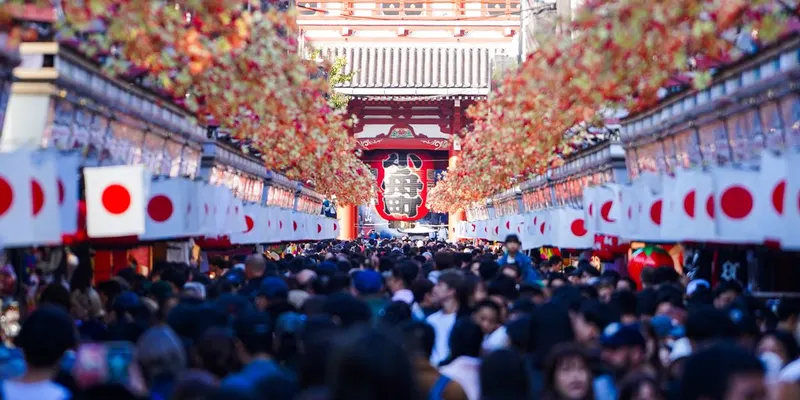
Hong Kong Private Tour by Luxury 7‑Seater with Top Guide
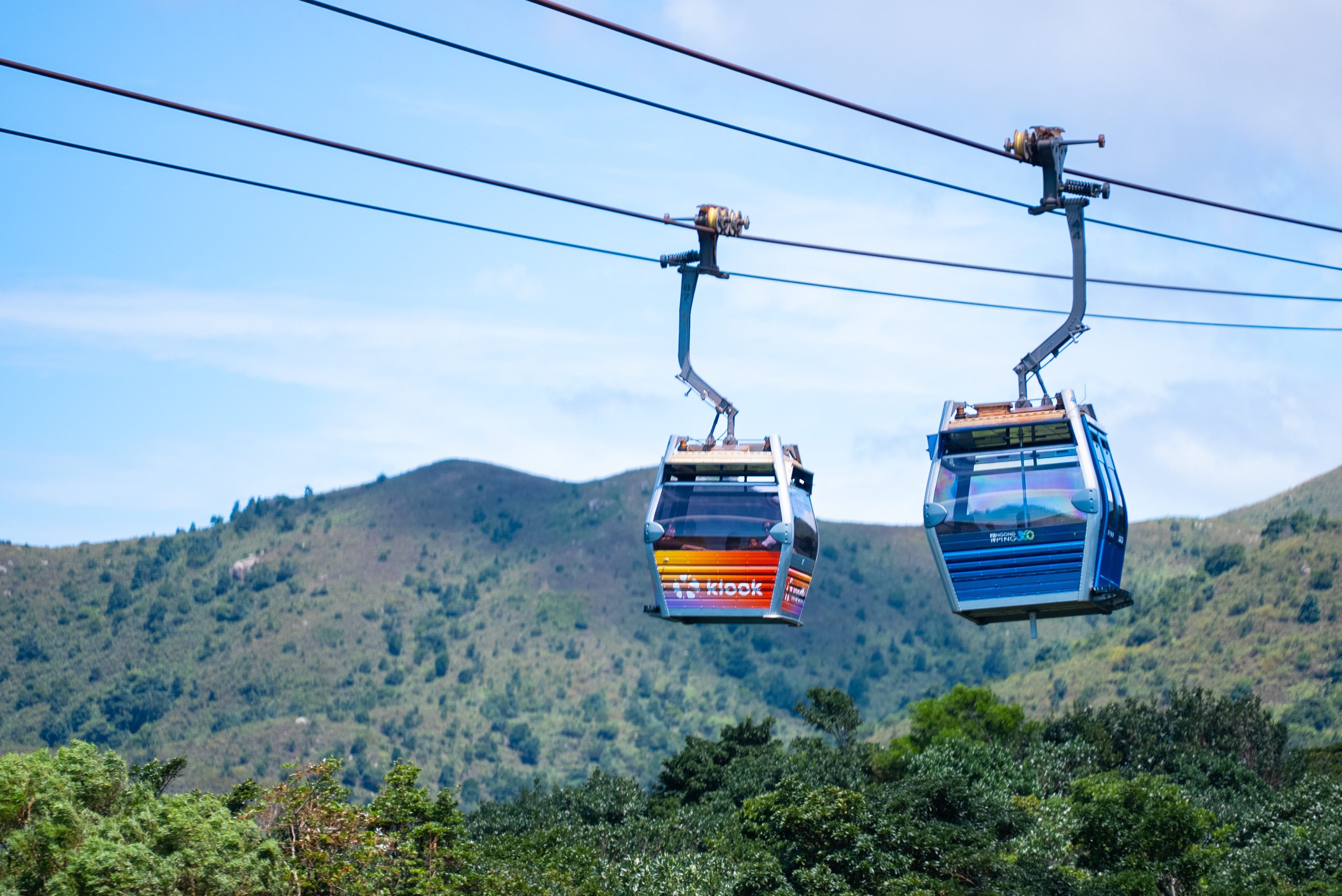
Ngong Ping 360 Cable Car Ticket in Hong Kong

Hong Kong International Airport Plaza Premium Lounge Access

Hong Kong Airport: Plaza Premium First Airport Lounges
#hong kong#landmarks#hiking#dragons back
Frequently Asked Questions
What's Hong Kong's single most iconic landmark?
Victoria Peak, for the harbor skyline view, followed closely by the Star Ferry, which delivers a comparable view from the water for a fraction of the cost.
Is Dragon's Back hard to hike?
Moderate, not hard. It's a ridge-line trail with some elevation gain but no technical climbing, and most visitors finish the main scenic stretch in two to three hours. Proper footwear matters more than fitness level.
Are Mong Kok's markets a hidden gem or a tourist trap?
Neither, they're genuinely local but well-known enough that they draw a tourist crowd too. The Flower Market specifically stays quieter than Ladies' Market and rewards a slower walk-through.
Can you combine Dragon's Back with anything else in one day?
Yes, it sits close enough to Hong Kong Island's south side that a beach stop (Shek O) afterward is a common pairing, though that's a local add-on rather than something to plan a whole day around from scratch.