Hong Kong Customs and Etiquette: Unwritten Rules
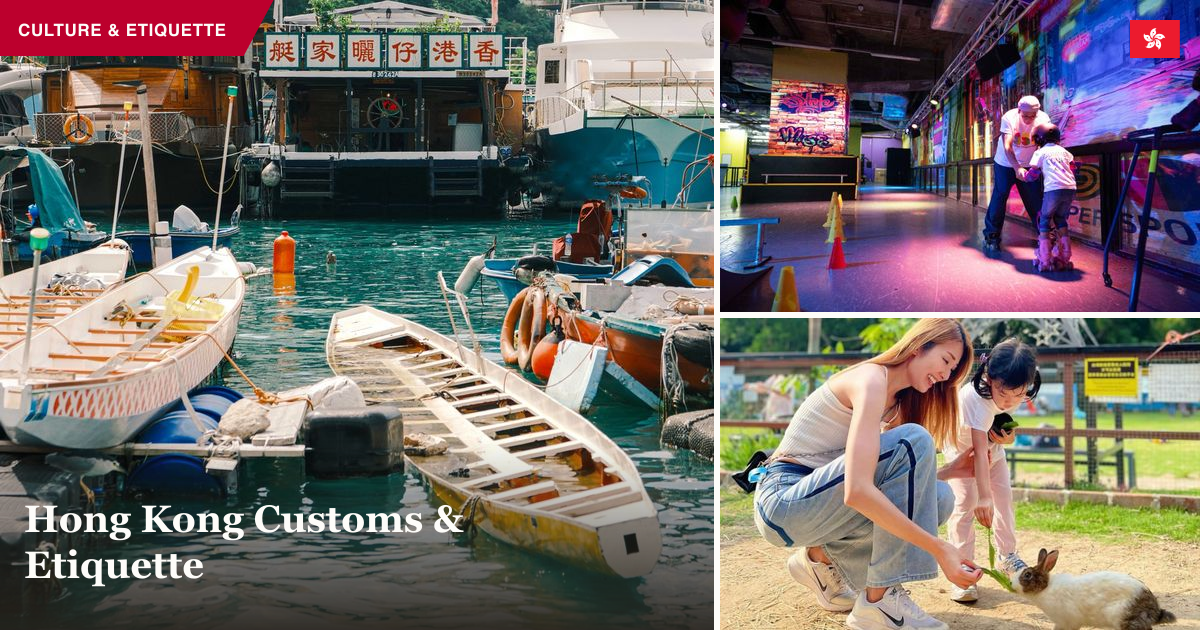
The fastest way to mark yourself as a first-timer in Hong Kong: stand on both sides of an MTR escalator during rush hour. Commuters keep one side clear for walking with real consistency, and blocking it draws more visible frustration than almost any other misstep on this list. Every other unwritten rule here follows the same logic, don’t slow down shared space in a city built around moving through it fast.
MTR escalator and platform etiquette
Stand on one side of an escalator, walk on the other, and Hong Kong commuters hold to this with more consistency than almost any other transit system covers in this network. Blocking the walking side during rush hour draws real, visible frustration, not a polite shrug. On the platform, let passengers exit before boarding, and priority seats are genuinely reserved for elderly, pregnant, or disabled riders, offering yours when someone needs it is the norm, not a nice-to-have. Full transit mechanics, including Octopus card basics, are in our Octopus card and MTR guide.
Dim sum tea etiquette: the two-finger tap
When someone at your table pours your tea, tap two fingers lightly on the table instead of saying thank you out loud. The custom traces back to a story about a Qing emperor traveling in disguise, who couldn’t let a servant bow to him without revealing his identity, so the servant tapped fingers on the table to mime a bow instead. It’s still genuinely practiced today, not a tourist myth, and it signals you know the room. Refilling the teapot is also a shared responsibility, if it’s empty, tip the lid up or ajar rather than asking staff directly, a small crowd-tested signal that saves you from waving someone down. Our dim sum spots guide covers where to actually practice this.
Tipping: minimal, and mostly already built in
Most restaurant bills carry a 10% service charge printed directly on the check, so an additional tip isn’t expected on top of it. Taxis don’t anticipate a tip either, though rounding the fare up to the nearest dollar is common and appreciated. Hotel bellhops and housekeeping are the exception, a small tip here follows more familiar international hotel norms than the rest of the city’s day-to-day service culture.
Queueing: taken seriously, everywhere
Cutting a queue, at a taxi stand, a dim sum restaurant waiting list, or an MTR platform, is a real faux pas here, not a minor one. Lines form fast and hold their order without much enforcement needed, because breaking one draws visible annoyance from everyone around you. This extends to boarding buses and trams too, queue at the marked stop, don’t cluster at the door.
Business cards and greetings
A handshake is the standard greeting in both business and casual introductions. In more formal settings, exchanging business cards with both hands, and taking a moment to actually look at the card you receive before pocketing it, is still common practice, inherited from wider East Asian business etiquette. It’s a small gesture, but skipping it in a business context reads as more careless here than it might elsewhere.
Photography and personal space on the MTR
Eating or drinking on the MTR isn’t just discouraged, it’s genuinely enforced, keep food sealed until you’re through the fare gates and out. Photography inside stations is generally fine for personal use, but avoid pointing a camera at individual commuters without asking, and skip photographing security checkpoints or uniformed staff up close.
Temple and religious site etiquette
Hong Kong’s temples, Man Mo Temple, Wong Tai Sin, and others, mix Buddhist, Taoist, and folk-religion practice, often within the same building. Dress modestly, shoulders covered is the safe default, and keep voices down near active incense-burning or prayer areas. Photography is usually fine in the main hall but pause it if someone is actively praying nearby. None of this requires special preparation, basic quiet and modest dress covers nearly every temple visit on a typical route.
The cage-home reality, and why it matters for how you move through the city
Kowloon’s older, denser neighborhoods still house residents in subdivided “cage home” units, a genuine housing crisis rather than a historical footnote. It’s worth knowing this before booking a walking tour through these areas, treat it with the same quiet respect you would any residential street, not a backdrop for photos. Our landmarks and hidden gems guide has more on how to see Kowloon’s older districts thoughtfully rather than just quickly.
Cash, cards, and the Octopus habit
Hong Kong is card-friendly at malls and chain restaurants, but small noodle shops, wet markets, and some cha chaan teng counters run cash or Octopus-card-first. Carrying the Octopus card loaded and ready isn’t just a transit convenience, it’s the fastest way to pay at these smaller spots without holding up the line counting coins, which loops back to the same queueing courtesy that governs almost everything else on this list.
Language and everyday politeness
Cantonese and English both function as working languages across most tourist-facing interactions, and Mandarin gets you through many situations too given Hong Kong’s mainland Chinese visitor volume. A simple “m goi” (thank you, used for service or small favors) or “do jeh” (thank you, used for a gift or compliment) goes further than most visitors expect, Cantonese distinguishes between the two in a way English doesn’t. Staff generally default to patient, practical helpfulness over small talk, don’t read brevity in a shop or restaurant interaction as rudeness, it’s closer to efficiency.
The honest summary
Hong Kong’s unwritten rules aren’t complicated once named: keep the escalator’s walking side clear, tap two fingers for poured tea, don’t cut a line, and let the printed service charge cover the tip. Follow those and you’ll read as someone who’s done this before, not a first-timer figuring it out in real time, covered more broadly in the ultimate guide to where to go.
Guide updated as of August 24, 2026.
Book these while you’re there

Hong-Kong: Island-Hopping Volcanic Rocks Yacht Tour + Snacks
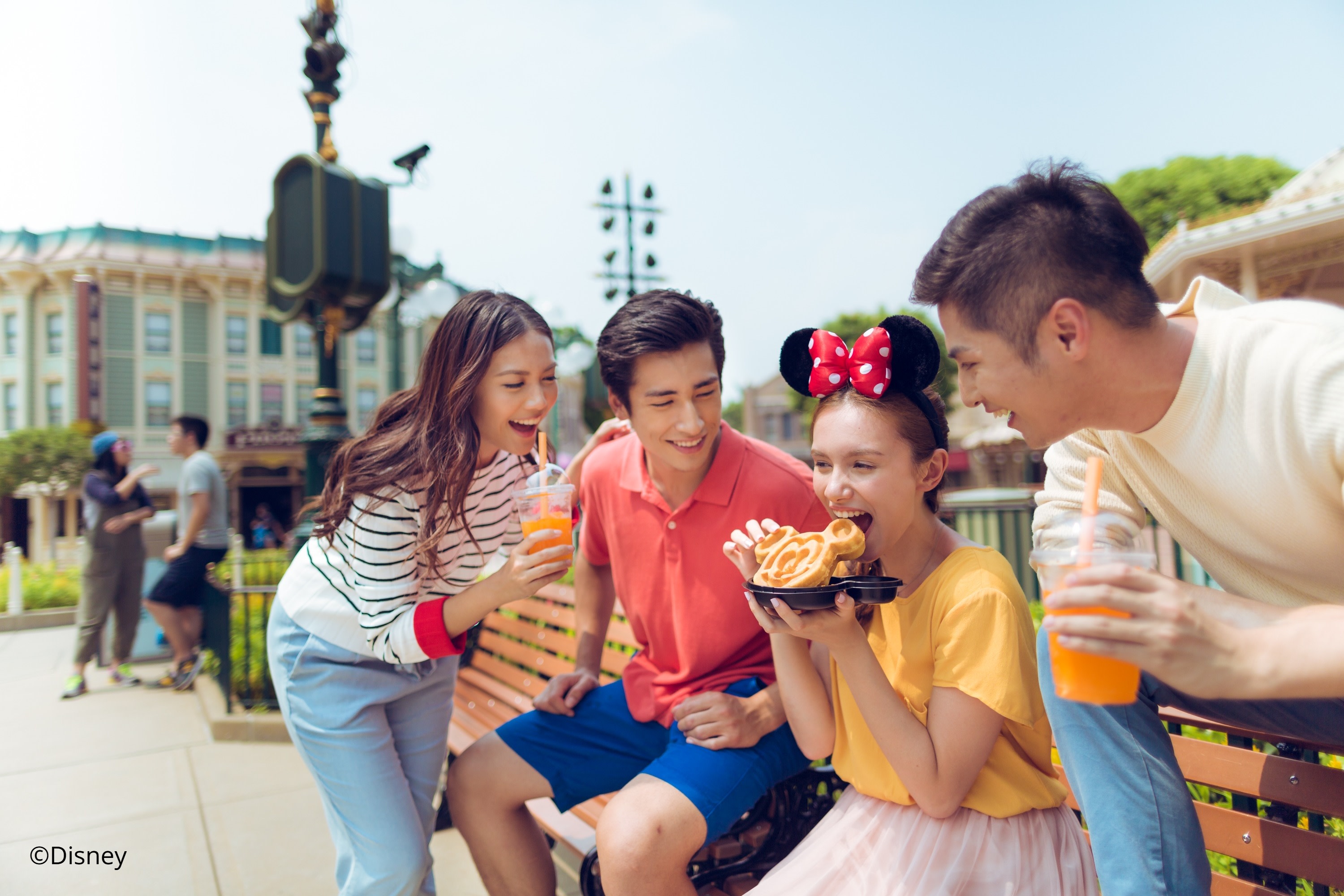
Dining Offers at Hong Kong Disneyland Resort

Big Bus Hong Kong Open Top Hop-On Hop-Off Sightseeing Tour
Hong Kong Private Tour by Luxury 7‑Seater with Top Guide
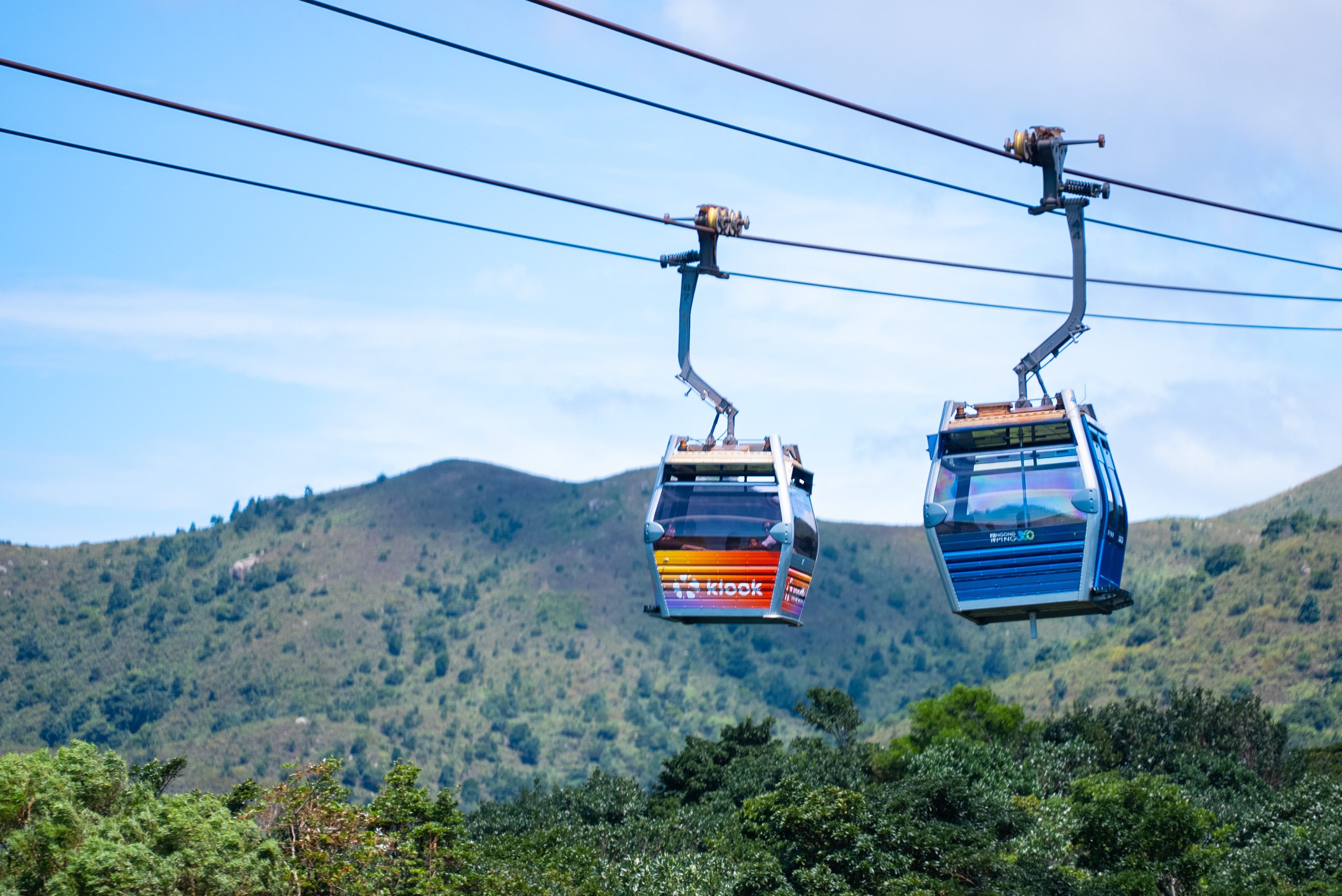
Ngong Ping 360 Cable Car Ticket in Hong Kong

Hong Kong International Airport Plaza Premium Lounge Access

Hong Kong Airport: Plaza Premium First Airport Lounges
Frequently Asked Questions
Do you tip in Hong Kong?
Not the way you would in the US. Most restaurant bills already carry a 10% service charge, and taxis, MTR staff, and hawker-style food stalls don't expect one at all. Rounding up a taxi fare to the nearest dollar is common but never required.
What does it mean when someone taps two fingers on the table?
It's a silent thank-you when someone pours your tea at a dim sum meal, two fingers tapped lightly on the table instead of saying anything out loud. The custom traces back to a story about an emperor traveling incognito who couldn't be seen bowing to a servant, tapping fingers stood in for the bow.
Is it rude to not finish your plate in Hong Kong?
No strong taboo either way, though leaving a small amount at a banquet-style meal traditionally signals the host provided more than enough, a compliment rather than waste. At a regular meal, finishing or not finishing carries no real judgment.
What's the biggest etiquette mistake first-time visitors make?
Standing on both sides of an MTR escalator during rush hour. Hong Kong commuters keep one side clear for walking with real consistency, blocking it draws visible frustration faster than almost any other misstep on this list.