Best Time to Visit Hong Kong 2026: Month by Month
October through December is Hong Kong’s best stretch: dry air, mild temperatures, and no typhoon risk. June through August is the one window worth actively avoiding, peak humidity and the real chance of a Signal 8 shutting down a planned day with a few hours’ notice.
Month by month
| Month | Weather | Crowds | Price signal |
|---|---|---|---|
| January | Cool, dry, 14-18°C | Moderate, Chinese New Year spikes late Jan/early Feb | Hotel rates rise sharply around New Year |
| February | Cool, occasional damp days | High around Chinese New Year, then quiet | Elevated during the holiday, drops after |
| March | Mild, humidity starting to build | Moderate | Standard |
| April | Warm, humid, occasional rain | Moderate | Standard |
| May | Hot, humid, rain increasing | Moderate | Standard |
| June | Hot, humid, typhoon season begins | Lower (weather-driven) | Standard to slightly lower |
| July | Hot, humid, peak typhoon risk | Lower | Standard to slightly lower |
| August | Hot, humid, peak typhoon risk | Lower | Standard to slightly lower |
| September | Still humid, typhoon risk tapering | Lower | Standard |
| October | Warm, dry, clear skies | High, best-weather rush | Elevated on weekends |
| November | Mild, dry, clearest skies of the year | High | Elevated |
| December | Cool, dry, holiday lights and markets | Highest, Christmas/New Year | Highest of the year |
Verdict: October through early December wins on weather and delivers the payoff for outdoor attractions specifically, but you’re paying peak-season rates and sharing the harbourfront with everyone else who read the same forecast. January through March (outside Chinese New Year) is the value play, cool and dry enough to be comfortable, thinner crowds, and no weather risk to a Lantau day trip.
How the seasons actually hit specific bookings
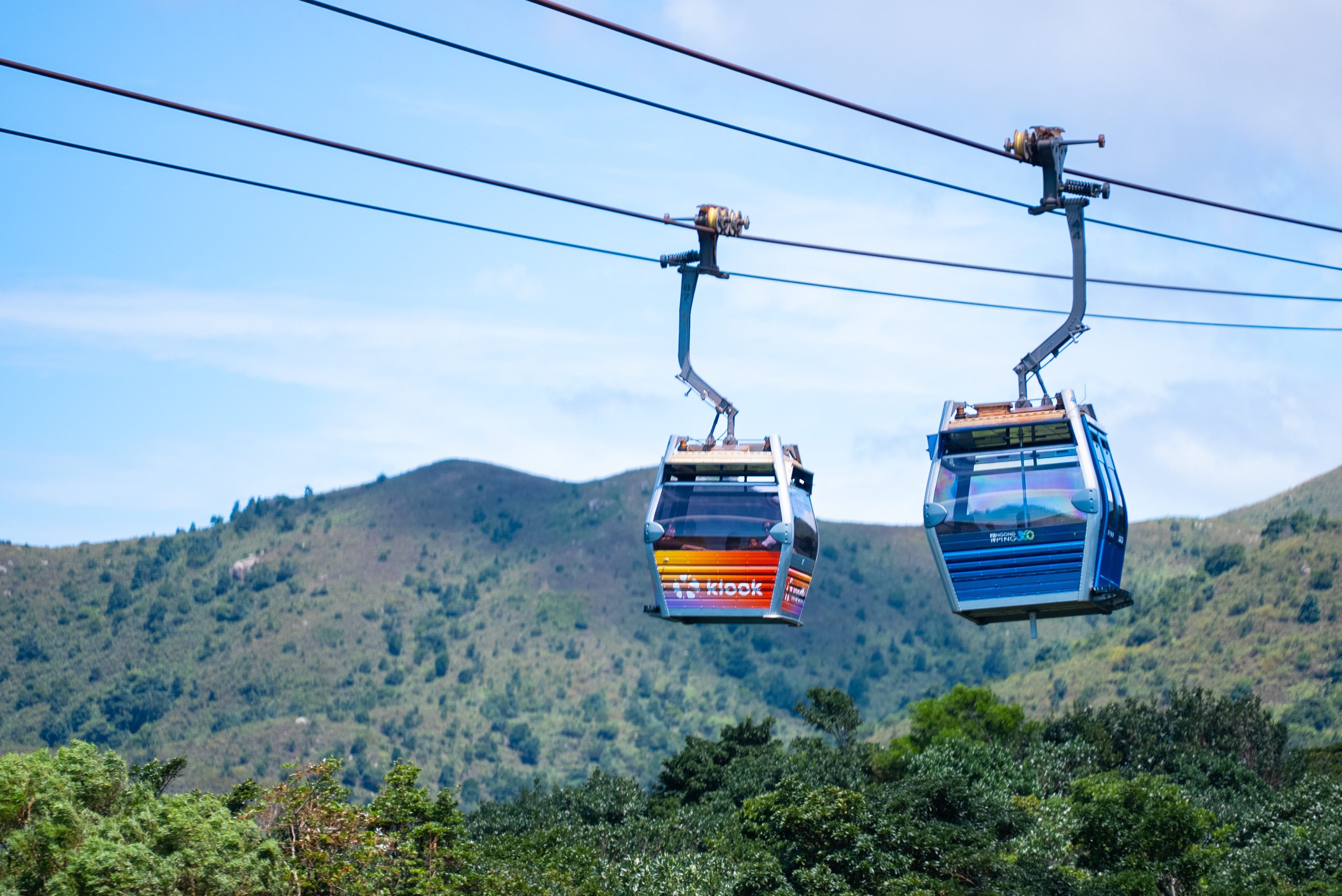
Ngong Ping 360 Cable Car and the Big Buddha. This is the attraction most exposed to weather. High wind suspends cable car service outright, and typhoon signals shut it fully. The HK$165 ($21.05) Klook ticket is non-negotiable to reschedule if a signal is up on your booked day, build a buffer day into any summer itinerary that includes it.
The Peak Tram. Less weather-exposed than the cable car since it’s a funicular, not an open-air gondola, but heavy rain still cuts into the view from the top. A HK$85 ($10.85) ticket booked for a clear October or November evening is the version of this experience worth paying for.
Victoria Harbour night cruises. The nightly Symphony of Lights show runs year-round regardless of season, but visibility on a hazy July night is noticeably worse than a crisp November one. A cruise like Aqua Luna’s evening sail, HK$344 ($43.91) on Viator, is a better bet outside the humid months if the skyline photos are the point.
Hong Kong Disneyland. Weather affects this less than the outdoor attractions above since most of the park experience is either covered or short-duration outdoor, but summer’s heat and humidity make a full day noticeably more tiring, pace the day with more indoor breaks if you’re visiting June through August.
Dragon’s Back and other hikes. Not in this site’s booking data since it’s a free trail, but worth flagging here: this is the single most weather-dependent item on a typical itinerary. Typhoon season makes the trail genuinely unsafe, not just unpleasant, and even a normal summer afternoon means hiking in serious heat and humidity. Our landmarks and hidden gems guide covers the route in more detail, plan it for October through March if timing is flexible at all.
Typhoon season: cancel the trip, or just buffer a day?
June through August carries real risk, not theoretical risk. A Signal 8 or higher grounds ferries, suspends the Ngong Ping cable car, and closes outdoor attractions, sometimes with only a few hours’ notice via the Hong Kong Observatory’s alert system. It usually passes within a day, so it’s not a reason to cancel a summer trip outright, but it is a reason to keep one flexible buffer day rather than booking every day of a Lantau-and-Macau itinerary back to back. Our Lantau and Macau day trip guide has more on ferry disruption specifically.
Chinese New Year: worth it, but plan around it
Chinese New Year (dates shift each year, typically late January to mid-February) brings fireworks over the harbour and genuinely festive street decoration, but it also means many small family-run restaurants close for several days and hotel rates spike well above the already-elevated winter baseline. If this is your window, book both hotel and any fixed-slot activity weeks ahead, not days.
What the shoulder months quietly offer
March and September get skipped in most planning because neither hits peak conditions, but both are worth a second look. March sits after Chinese New Year’s price spike has cooled and before summer humidity fully sets in, a genuine calm window. September carries lingering typhoon risk early in the month but clears noticeably by the back half, often with thinner crowds than the October rush that follows it. Neither month photographs quite as clean as November, but both trade a little weather certainty for meaningfully lower hotel demand.
Picking your window
For first-time visitors chasing the best version of the skyline, the cable car, and the Peak, October through early December is the honest answer, plan for crowds and higher hotel rates as the trade-off. For a calmer, cheaper trip with nearly as good weather, January through March outside the New Year holiday is underrated. Avoid June through August unless your dates are fixed for another reason, and if they are, build slack into any day involving a ferry, a cable car, or an outdoor hike. For the broader first-time route through the city regardless of season, see the ultimate guide to where to go.
Prices verified as of August 10, 2026.
Book these while you’re there

Hong-Kong: Island-Hopping Volcanic Rocks Yacht Tour + Snacks

Dining Offers at Hong Kong Disneyland Resort

Big Bus Hong Kong Open Top Hop-On Hop-Off Sightseeing Tour
Hong Kong Private Tour by Luxury 7‑Seater with Top Guide
Ngong Ping 360 Cable Car Ticket in Hong Kong

Hong Kong International Airport Plaza Premium Lounge Access

Hong Kong Airport: Plaza Premium First Airport Lounges
#hong kong#best time to visit#seasonal guide
Frequently Asked Questions
What's the single best month to visit Hong Kong?
November. Humidity has dropped, typhoon season is over, and skies are clear enough that harbour views and Victoria Peak actually deliver, without December's holiday crowd surge yet.
When should I avoid visiting Hong Kong?
Late June through August. This is peak typhoon season, Signal 8 warnings can shut down the Ngong Ping 360 cable car, ferries, and outdoor attractions with only a few hours' notice, and humidity sits high enough to make walking tours genuinely uncomfortable.
Is Chinese New Year a good time to visit?
It's a mixed bag. The fireworks and street decorations are genuinely worth seeing, but many small restaurants close for several days, and hotel prices spike alongside domestic travel demand. Book weeks ahead if this is your window.
Does typhoon season mean I should skip summer entirely?
No, but build in a buffer day. A Signal 8 typically passes within 24 hours, and most of a summer itinerary, museums, malls, indoor attractions, still runs fine. It's specifically Lantau day trips and harbour cruises that need a flexible day around them.