15 Ways to Save Money in South Korea in 2026
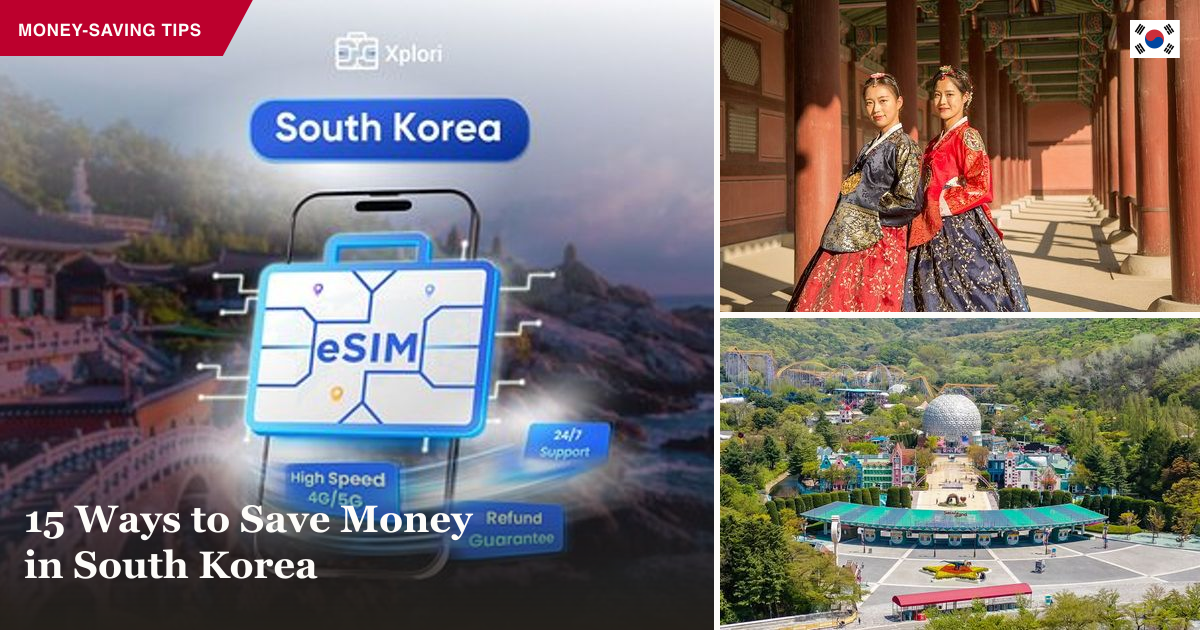
The fastest way to overspend in South Korea is booking the photographer-added version of an experience that has a plain version for a fraction of the price. Here are 15 real ways to cut cost, backed by verified Klook, Viator, and GetYourGuide listings, not vague “eat local food” advice.
1. Get a T-money card on day one
A T-money card covers subway, bus, and most convenience store purchases in Seoul, Busan, and everywhere between. Load it once at any station kiosk and stop counting exact change for every ride, it’s the single most-used piece of plastic on a South Korea trip.
2. Skip the paid SIM, use a prepaid cashless card instead
The WOWPASS prepaid card runs ₩5,931 ($3.95) and doubles as a currency exchange kiosk and a Visa-network card accepted at convenience stores, cafes, and most ticket counters. It’s cheaper than most airport currency exchange rates and skips a second card just for transit.
3. Rent hiking gear instead of buying it
Seoul’s mountains (Bukhansan, Bugaksan) are free to hike, and a full gear rental runs ₩2,988 ($1.99) for a day. That’s the cheapest single listing across every provider’s South Korea catalog, and it turns a spontaneous free hike into a properly-equipped one for less than a coffee.
4. Book the basic hanbok, skip the photographer upsell
This is the biggest single line-item saving on this list. A plain hanbok rental at Gyeongbokgung Palace runs ₩6,832 ($4.55). The photographer-included version of the same rental runs ₩245,435 ($163.45).
Verdict: unless you specifically want professional photos, the ₩6,832 ($4.55) version gets you the same outfit, the same palace backdrop, and your own phone camera does the rest.
5. Eat convenience store meals for at least one meal a day
CU, GS25, and 7-Eleven stock hot triban (rice ball), instant ramyeon with a hot water station, and full meal boxes at a fraction of restaurant prices, and they’re on nearly every block in Seoul and Busan. One convenience store meal a day, restaurant meals the rest, cuts a food budget noticeably without cutting a single actual meal.
6. Use a jjimjilbang instead of a late hotel check-in
A jjimjilbang sauna admission runs ₩13,740 ($9.15) and includes shower facilities, heated floor rooms, and space to sleep. It’s a genuine backpacker move for a late arrival or an early departure day, cheaper than an extra hotel night and a real local experience, not a downgrade.
7. Book KTX tickets ahead, not on arrival
Korail’s advance booking window opens weeks out, and seats on popular routes (Seoul-Busan especially) sell out on holiday weekends. If a rail pass fits your route, Korail’s multi-day rail pass runs ₩128,611 ($85.65) and is worth comparing against buying individual KTX legs once you know your city list. See our KR Pass break-even math for the exact leg count where it starts paying off.
8. Ride Seoul’s sky capsule and viewpoint tickets without a tour wrapper
Busan’s Blueline Park sky capsule runs ₩9,835 ($6.55) as a standalone ticket. Book the same attraction inside a guided coastal tour and it runs ₩79,029 ($52.63).
Verdict: if you can get yourself to Haeundae on your own (the subway does it easily), the standalone ticket is the better deal by a wide margin.
9. Use hop-on hop-off buses over taxis for sightseeing days
Seoul’s downtown palace and Namsan hop-on hop-off bus runs ₩26,503 ($17.65) for the full day, and Daegu’s version runs just ₩7,057 ($4.70). Stack three or four stops into one ticket instead of paying per taxi ride between palaces.
10. Choose small-group DMZ tours over private ones
A small-group DMZ tour with a lake stop runs ₩74,329 ($49.50). The private version with a North Korean defector and lunch runs ₩255,270 ($170), both at 5 stars.
Verdict: the small-group version covers the same border-zone sights for under a third of the price. Book the private, defector-led version specifically if that personal account is the reason you’re going, otherwise the small-group tour does the job.
11. Book Gyeongju from Busan on Klook, not the pricier tour operators
A Gyeongju UNESCO day trip from Busan runs ₩48,576 ($32.35) on Klook. GetYourGuide’s comparable version runs ₩37,360 ($24.88) and Viator’s runs ₩60,424 ($40.24). Same UNESCO sites, three prices, worth the two-minute check before booking.
12. Check more than one platform before booking anything over ₩45,048 ($30)
Below ₩30,032 ($20), comparison time outweighs likely savings. Above ₩45,048 ($30), especially for day tours to Gyeongju or the DMZ, prices genuinely diverge between platforms, see our GetYourGuide vs Klook South Korea breakdown for where each platform’s catalog is deepest.
13. Water parks over theme parks on a hot, budget day
Seoul’s Sealala Water Park runs ₩12,748 ($8.49) for a full day pass, a fraction of a major theme park ticket, and covers an entire afternoon in Seoul’s summer heat.
14. Travel outside cherry blossom and peak foliage weekends
Hotel and tour pricing spikes hardest during the first two weeks of April (cherry blossoms) and mid-to-late October (autumn foliage). See our best time to visit South Korea guide for the exact weeks to avoid if budget matters more than the bloom.
15. Don’t downgrade the trip to save under ₩15,016 ($10)
Not every cut helps. Skipping the ₩6,832 ($4.55) hanbok rental, the ₩9,835 ($6.55) sky capsule ticket, or the ₩2,988 ($1.99) gear rental to “save” money barely moves your total and costs you the actual experience. Save your cuts for the tips above ₩45,048 ($30), private-vs-small-group tours, platform comparisons, and season timing, where the real money sits.
Putting it together
The pattern across all 15 tips is the same: pay for the experience, skip the upsell wrapped around it. A hanbok, a sky capsule ticket, and a DMZ tour all have a base version and a premium version at wildly different prices for a similar core experience. For city-by-city cost breakdowns built on the same verified pricing, see our Seoul budget guide and Busan budget guide.
Prices verified as of August 27, 2026.
Book these while you’re there
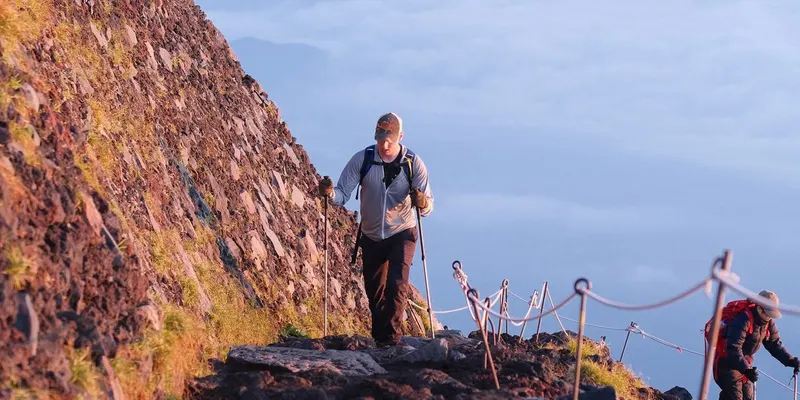
From Seoul: Seoraksan National Park & Sokcho Beach Day Trip
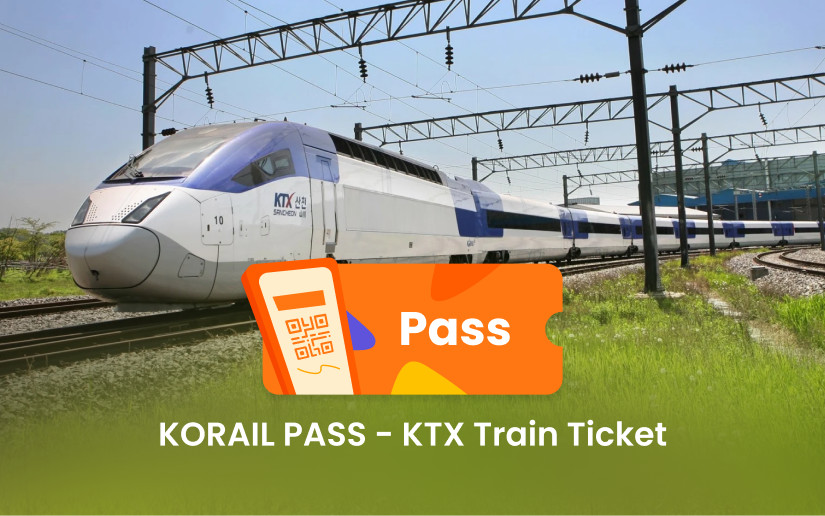
KORAIL PASS - KTX Train Ticket

Private DMZ Tour with North Korean Defector + N Korean Lunch
From Seoul:Seoraksan National Park and Sokcho Beach Day Trip

Korean Cooking Class with Grocery Shopping at Seoul Local Market
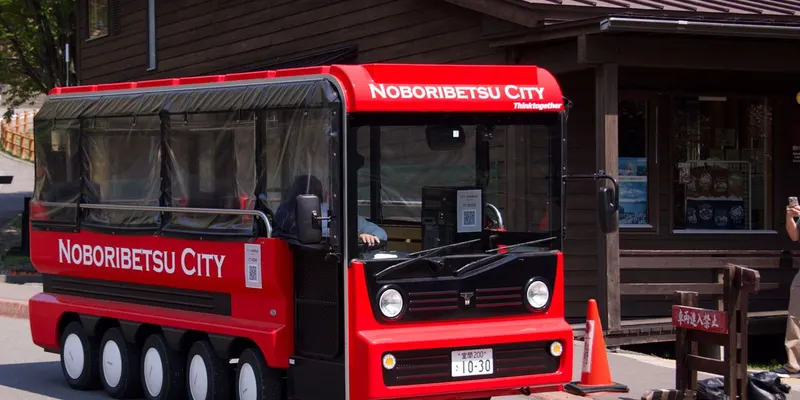
From Seoul: Daegwallyeong Ranch & BTS Bus Stop Private Tour
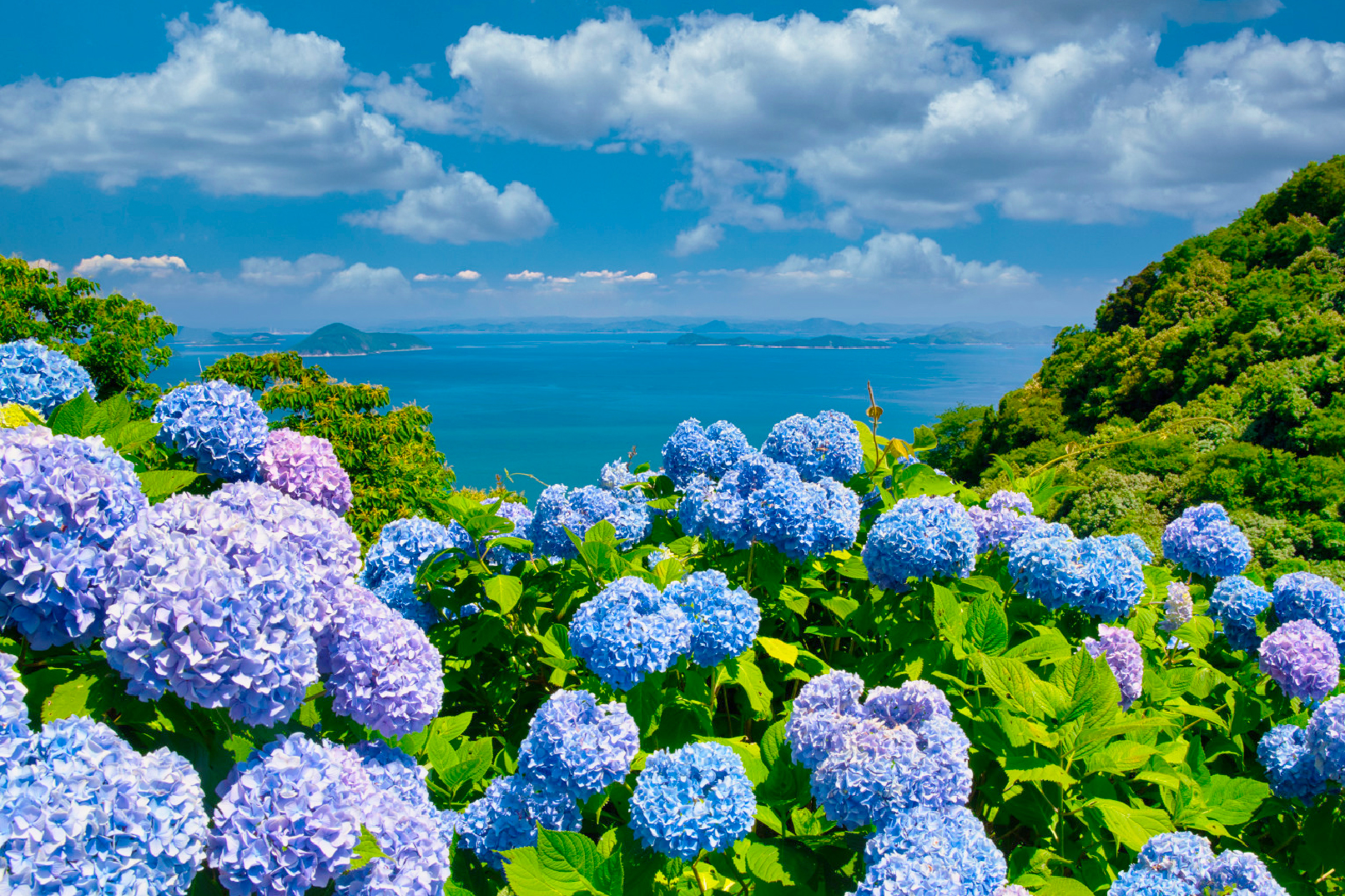
Jeju Eastern/ Western/ Hydrangea/ Seongsan Ilchulbong/ Private Tour
#south korea#budget travel#money saving tips
Frequently Asked Questions
What's the single biggest way to save money in South Korea?
Book the basic version of anything with a photoshoot upsell. A plain hanbok rental at Gyeongbokgung runs ₩6,832 ($4.55); the photographer-included version of the same rental runs ₩245,435 ($163.45). That gap alone dwarfs every other tip on this list.
Is a T-money card worth getting on arrival?
Yes. It covers subway, bus, and most convenience store purchases across every city on this list, and skips the per-ride cash fumbling that slows down a first-timer's transit days.
Are Klook's cheapest South Korea tickets actually worth booking?
Worth booking. Hiking gear rental at ₩2,988 ($1.99) and a basic hanbok rental at ₩6,832 ($4.55) are real, current listings, not discount versions of something better. The savings come from skipping the upsell, not the base experience.
Should I book DMZ or Gyeongju tours in advance?
Yes, especially the small-group versions. Seats fill on fixed departure dates, and the price gap between a small-group and private version of the same DMZ or Gyeongju route is often ₩150,159 ($100) or more for a comparable itinerary.