Singapore Customs and Etiquette: Unwritten Rules
Singapore runs on a set of unwritten rules that are stricter than they look from outside, and a few written ones tourists genuinely get wrong. None of them are hard to follow once you know them.
The chewing gum law, accurately explained
Singapore restricts the sale and import of chewing gum, it’s a common misconception that chewing gum itself is illegal. Personal possession and chewing aren’t the issue, bringing in commercial quantities to sell is. Therapeutic gum, nicotine replacement or dental gum, is available through pharmacies with guidance. Bring a personal pack if you want one, just don’t expect to buy more once you’re there.
Tipping: genuinely not expected
Tipping isn’t part of Singapore’s service culture. Most restaurants already add a service charge to the printed bill, hawker centres don’t expect anything beyond the listed price, and taxi or Grab drivers don’t anticipate a tip either. Rounding up a fare is appreciated but never required, don’t feel obligated to tip the way you might at home.
Hawker centre etiquette: chope your seat, respect others’ chope
“Chope” (reserving a table by leaving a tissue packet or umbrella on it) is a genuine, widely respected Singapore custom, not a tourist myth. Send one person to chope a table while others queue for food, and never sit at a table with someone’s tissue packet already on it, that’s a real social misstep. Return trays and clear your own table when you’re done, a habit reinforced by Singapore’s tray-return policy at most hawker centres.
MRT etiquette: quieter than you’d expect
Singapore’s MRT runs on a set of expectations that are enforced more than posted-sign rules usually are elsewhere. Priority seats are genuinely reserved for elderly, pregnant, or disabled passengers, giving one up when asked (or proactively) is the norm. Eating and drinking on the train carries a real fine, not just a discouraged habit, keep food sealed until you’re off the platform. Standing to one side on escalators and letting passengers exit before boarding are both closely followed, more so than in many other major transit systems.
Littering and jaywalking: real enforcement, not just signage
Littering anywhere in public carries a real fine in Singapore, and enforcement is genuinely more consistent here than in most cities that post similar warnings. Jaywalking, crossing outside a marked crossing or against a signal, also carries a real penalty and is treated more seriously than the casual jaywalking norm in many Western cities. Use marked crossings and wait for the signal, it’s the low-effort way to avoid an unnecessary problem.
Temple etiquette across three traditions
Chinatown’s Buddhist and Taoist temples, Little India’s Hindu temples, and Kampong Glam’s Sultan Mosque each have their own conventions, generally: remove shoes before entering mosque prayer halls, dress modestly (shoulders and knees covered) at all three, and avoid pointing your feet toward a shrine or altar when seated. Photography is usually fine in the main halls but ask before photographing anyone actively praying.
Escalator and queue discipline
Singapore takes queueing seriously, at hawker stalls, MRT platforms, and taxi stands alike. Cutting a queue is a genuine faux pas, not a minor one, and will draw visible annoyance from people around you. On escalators, stand to the left (or right, depending on the specific station’s convention) and leave the other side clear for people walking, most stations post which side clearly.
Public housing and residential respect
Around 80% of Singaporeans live in public housing (HDB) estates, and neighborhoods like Tiong Bahru and Joo Chiat, covered in top specialty cafes in Singapore, mix tourist-facing cafes with genuine residential blocks. Keep noise down and avoid photographing into private windows or void decks with people present, standard courtesy that applies more directly here given how residential these areas actually are.
Drinking in public: legal, but time-restricted
Alcohol sales and public consumption are legal but restricted during certain late-night hours in specific zones (Little India and Geylang have had stricter enforcement historically after past incidents). Check current signage in the specific district you’re in rather than assuming blanket rules apply everywhere.
Business and social greetings
A handshake is the default greeting across Singapore’s multicultural business and social settings, firm but not overly forceful. Among older members of the Chinese, Malay, or Indian communities specifically, a slight nod or a two-handed handshake shows added respect, not required from a visitor but appreciated when offered. Exchanging business cards with both hands is still common in more formal settings, a habit inherited from wider East Asian business etiquette.
Photography around religious and government sites
Beyond the temple-specific rules already covered, avoid photographing military installations, government buildings with visible security presence, and uniformed personnel up close without asking. This is a low-risk item for most tourist itineraries, none of the standard sightseeing routes cross into restricted zones, but it’s worth knowing given how camera-heavy most Singapore trips are.
Shoes off, and where it actually matters
Removing shoes before entering a home is close to universal in Singapore across all major communities, and the same applies inside mosque prayer halls and some temple inner sanctums. It doesn’t apply in shops, restaurants, or most public buildings, the distinction is specifically private homes and religious inner spaces, not a blanket rule for every indoor space you enter.
Multiracial and multilingual awareness
Singapore’s population spans Chinese, Malay, Indian, and Eurasian communities, each with distinct customs around food, dress, and religious practice existing side by side. English is the working language and gets you through nearly every interaction, but a basic awareness that you’re moving between genuinely different cultural contexts, not one uniform “Singaporean” culture, block by block in neighborhoods like Chinatown, Little India, and Kampong Glam, changes how you’ll read the etiquette differences between them.
Dining etiquette beyond the hawker centre
At a sit-down restaurant, waiting to be seated rather than choosing your own table is standard, the opposite of hawker centre norms where you seat yourself first. Splitting a bill evenly among a group is common and rarely questioned, unlike the itemized-split habit more common elsewhere. Finishing what’s on your plate is appreciated but not obligatory, no strong taboo around leftovers the way some other cultures treat it.
The honest summary
Singapore’s unwritten rules aren’t complicated, they’re mostly extensions of consideration for shared space: chope respectfully, don’t eat on the train, use the crossing, and don’t cut the queue. Follow those and the handful of written rules (gum import, littering, jaywalking) and there’s nothing here that should meaningfully complicate a first trip, covered more broadly in the complete first-trip guide.
Guide updated as of July 13, 2026.
Book these while you’re there
Singapore City Highlights Bike Tour (4-Hour Heritage Ride)
Gardens by the Bay Ticket

Singapore: Romantic Letter From Chinatown's Early Immigrants
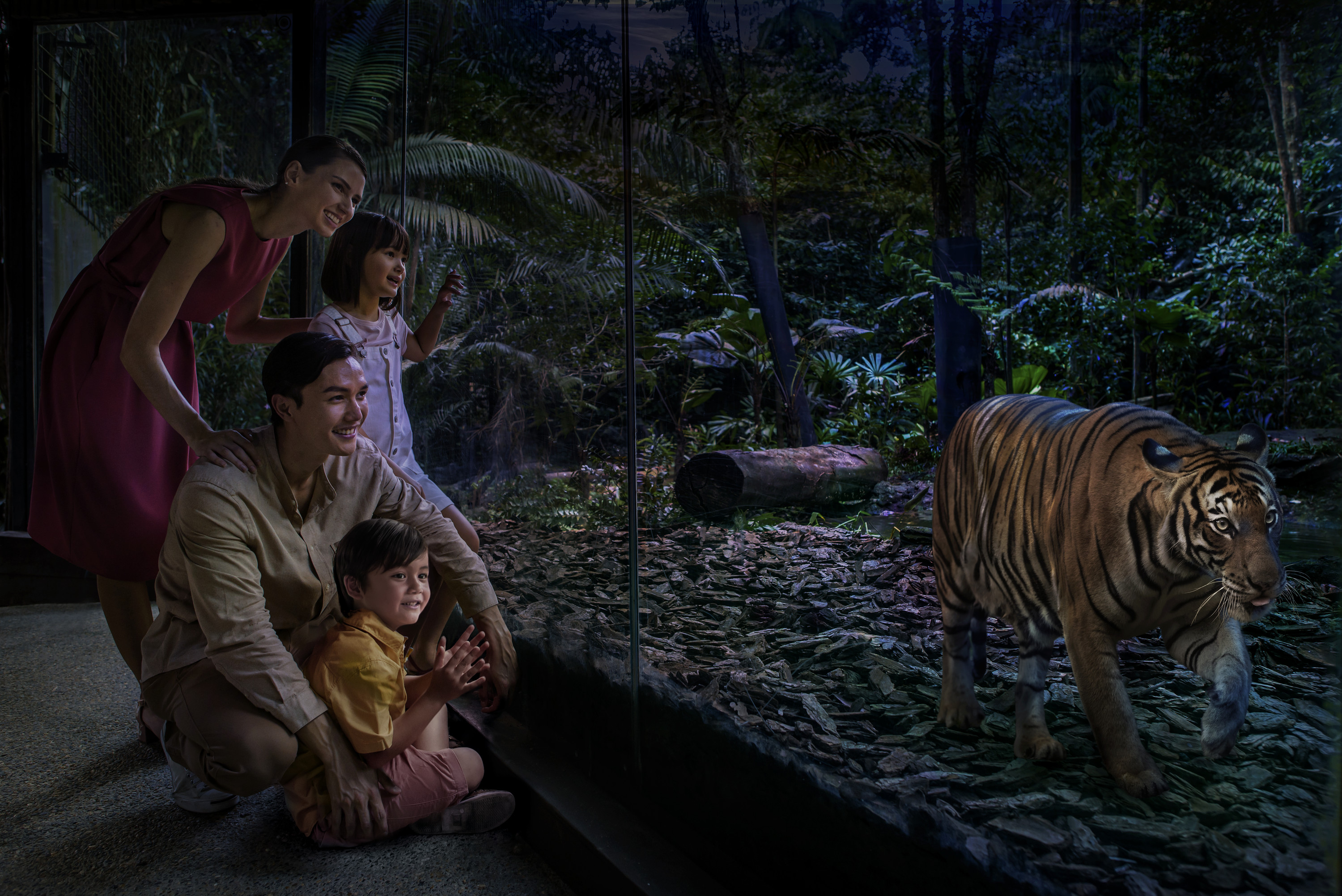
Night Safari Ticket | Mandai Wildlife Reserve, Singapore

Singapore: Chinese, Indian & Arabic Quarters, Culture & Food Tour
Singapore: From Trading Port to Global Power Walking Tour
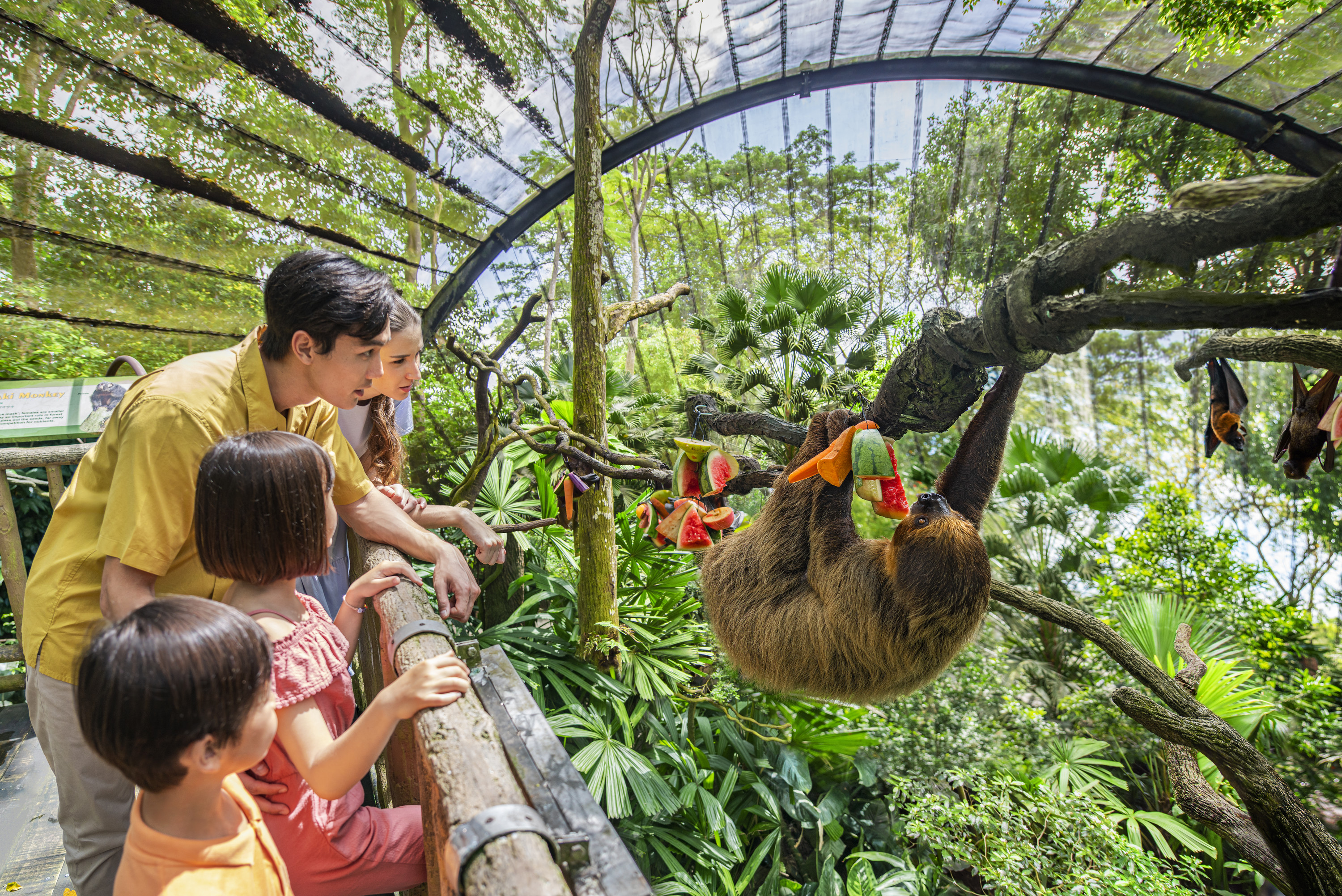
Singapore Zoo Ticket | Mandai Wildlife Reserve, Singapore
The Outpost Hotel Sentosa by Far East Hospitality
Frequently Asked Questions
Is chewing gum actually illegal in Singapore?
Sale and import are restricted, not personal possession or chewing. Bringing in a personal-use pack won't get you in trouble; bringing in bulk to sell would. Therapeutic gum (nicotine, dental) is sold with a doctor's or pharmacist's involvement.
Do you tip in Singapore?
No, tipping isn't customary. Most restaurants already add a service charge to the bill, and hawker centres, taxis, and Grab rides don't expect one at all. A rounded-up fare for a driver is appreciated but never required.
What is 'chope' at a hawker centre?
Placing a tissue packet or umbrella on an empty table to reserve it while you order food, a genuine and widely respected Singapore custom. Don't sit at a table with a tissue packet already on it, it's taken.
Are there real fines for littering or eating on the MRT?
Yes, both carry a real fine, enforced more consistently than in many other cities. Eating or drinking on the train, and littering anywhere in public, are treated as serious enough to actually ticket, not just a posted sign that's never enforced.