12 Best Singapore Neighborhoods to Explore
Twelve Singapore neighborhoods, each with a genuinely different character despite the island’s small size. Marina Bay anchors the skyline; Tiong Bahru and Joo Chiat anchor the slower, cafe-driven side; Sentosa stands entirely apart as a resort island of its own.
1. Marina Bay: the skyline anchor
Marina Bay packs Merlion Park, Gardens by the Bay, and the Marina Bay Sands SkyPark into a 15-minute walking radius, the single densest cluster of must-see sights on this list, covered in full in 20 must-see attractions for first-timers. Budget a full afternoon here at minimum.
2. Chinatown: heritage and hawker food together
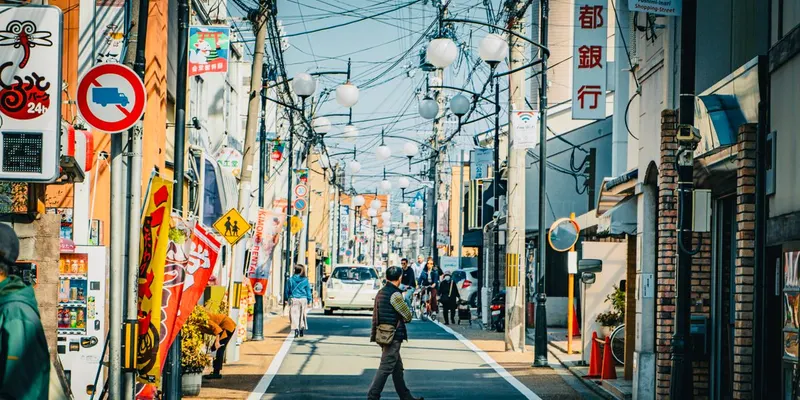
Chinatown’s shophouse streets hold Michelin-recognized hawker stalls at Maxwell Food Centre alongside the Buddha Tooth Relic Temple and Sri Mariamman Temple, Singapore’s oldest Hindu temple. The quieter Amoy Street and Ann Siang Hill stretch nearby has picked up a genuine specialty cafe cluster, covered in top specialty cafes in Singapore.
3. Little India: dense, walkable, easy to underrate
Little India’s Tekka Centre and Sri Veeramakaliamman Temple make it just as walkable as Chinatown but consistently underrated against it. Budget the same half-day slot here as Chinatown, not a rushed add-on between other stops.
4. Kampong Glam: the Arab Quarter
Kampong Glam sits quieter than Chinatown or Little India, centered on the golden-domed Sultan Mosque with Haji Lane and Arab Street’s independent shops running alongside. A strong cafe scene has grown here in recent years, a good half-day pairing with either heritage district. Viator lists several guided walking tours through this district specifically if you’d rather have a local point out what a self-guided wander misses.
5. Bugis: central and budget-leaning
Bugis sits on a major MRT interchange, walkable to Kampong Glam and Chinatown, with the Bugis Street night market giving it a busier, more youth-oriented energy than the heritage districts nearby. It’s also one of the two hotel clusters covered in the budget hotels guide, alongside neighboring Bencoolen Street.
6. Orchard Road: shopping, at a price
Orchard Road is Singapore’s main shopping strip, convenient and centrally located but priced at the higher end for both hotels and dining. It’s a practical base if shopping is a trip priority, less essential otherwise given how much of Singapore’s character lives in its heritage districts instead.
7. Tiong Bahru: Art Deco and specialty coffee
Tiong Bahru’s low-rise Art Deco shophouses have anchored Singapore’s specialty coffee and independent bookstore scene for over a decade, quieter and more residential than the waterfront districts. It made this site’s hidden gems list even as its cafe reputation has grown well beyond truly hidden at this point.
8. Joo Chiat and Katong: Peranakan shophouses, further east
Joo Chiat and Katong sit further from the central districts than most first-timers venture, Peranakan shophouse architecture and laksa stalls give the area its distinct character, with a newer cafe wave settling into the same shophouse stock. Worth a dedicated half-day rather than a stop tacked onto a Marina Bay itinerary.
9. Tanjong Pagar: financial district, quietly good food
Tanjong Pagar sits between the Central Business District and Chinatown, a working neighborhood by day with a cafe and restaurant scene tuned for the office lunch crowd rather than tourists. Easy to combine with a Chinatown visit given the short walk between them.
10. Holland Village: consistently good, less distinctive
Holland Village has long served Singapore’s expat community, with a reliable cluster of cafes and restaurants a short walk from its own MRT station. It’s not architecturally distinctive the way Tiong Bahru or Joo Chiat are, consistency rather than novelty is the draw.
11. Sentosa Island: the resort day (or two)
Sentosa stands apart from every other entry on this list, a resort island connected by cable car or a short causeway rather than the regular MRT network. Universal Studios, the S.E.A. Aquarium, and the beach strip make it a full-day commitment on its own, detailed in 10 best theme parks and attractions.
12. Jurong / West Singapore: the Mandai wildlife side
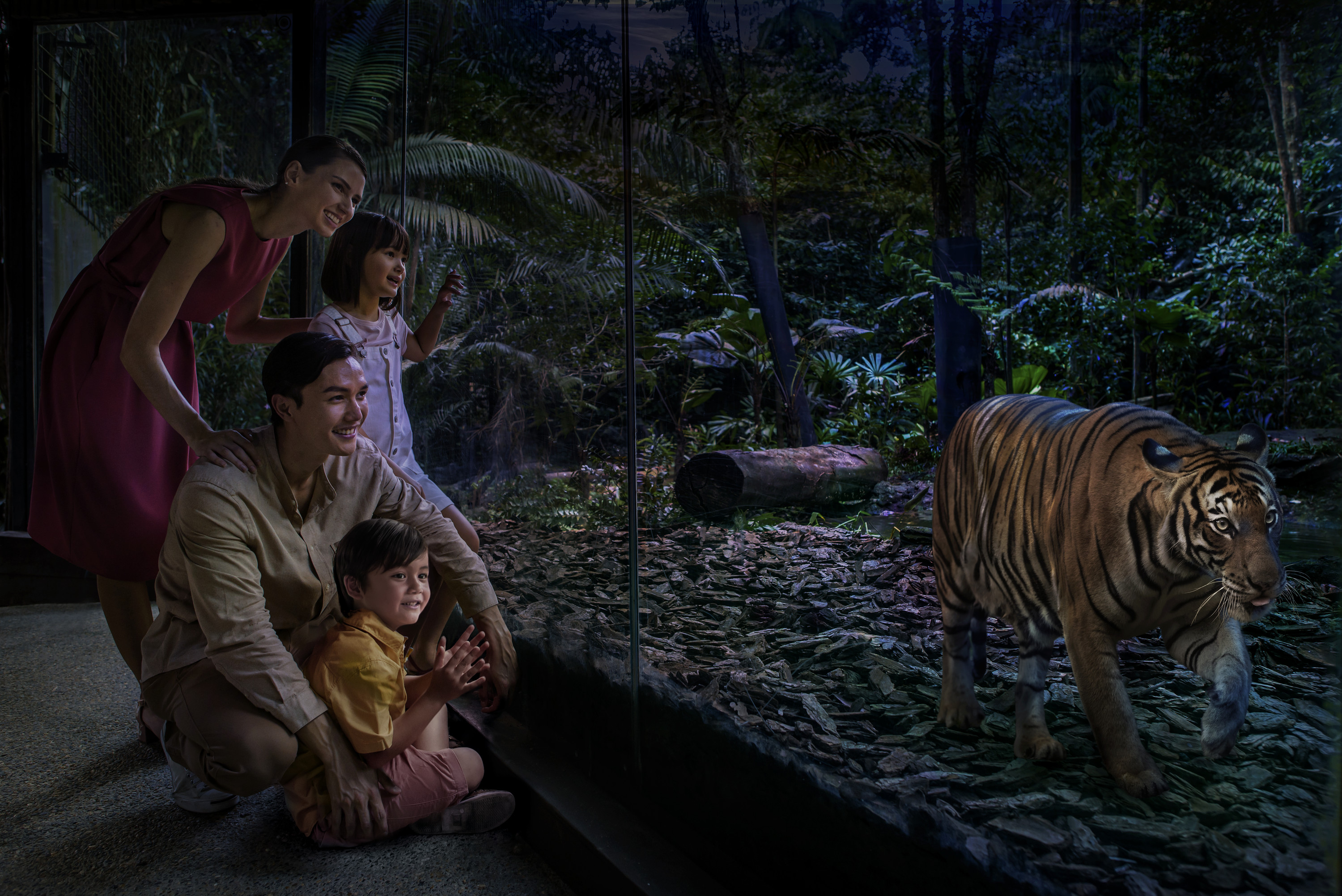
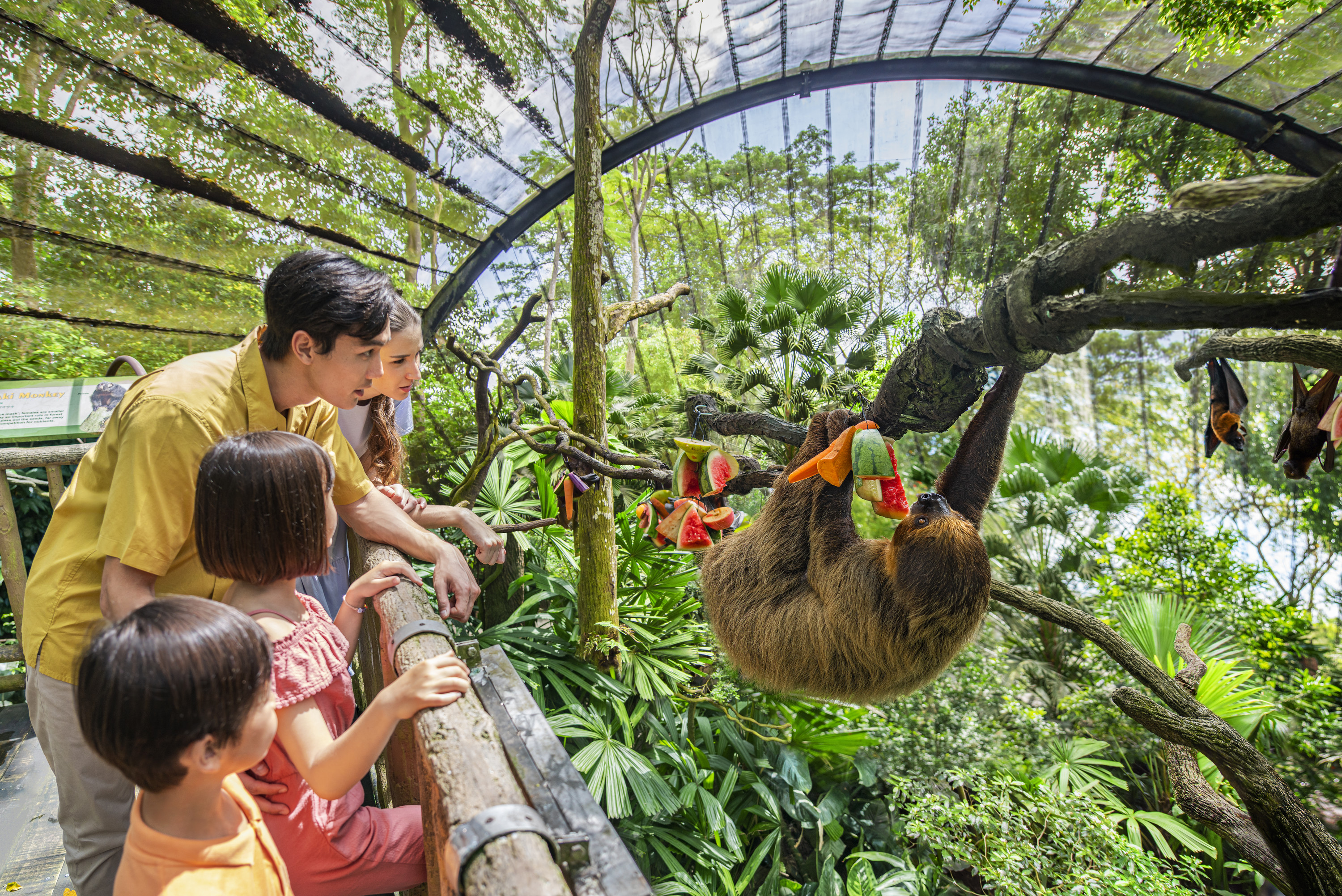
Jurong and West Singapore hold the Mandai wildlife cluster, Singapore Zoo, Night Safari, and River Wonders, alongside quieter residential green space. It sits furthest from the central districts on this list and needs its own dedicated half-day rather than a rushed add-on.
Grouping these into a realistic itinerary
| Day | Neighborhoods |
|---|---|
| 1 | Marina Bay |
| 2 | Sentosa Island |
| 3 | Chinatown + Tanjong Pagar |
| 4 | Little India + Kampong Glam |
| 5 (optional) | Tiong Bahru + Bugis, or Joo Chiat/Katong |
| 6 (optional) | Jurong / West Singapore (Mandai cluster) |
This mirrors the pacing in the complete first-trip guide: group by walking distance and MRT line rather than by a fixed “importance” ranking, and treat Sentosa and the Mandai cluster as their own dedicated days rather than partial add-ons.
Getting between all 12
Every neighborhood on this list sits on or near an MRT line except Sentosa, which connects by cable car or a short causeway. A contactless bank card taps directly onto the fare gates for trains and buses across the rest, no separate EZ-Link card needed unless you prefer one.
Choosing a base neighborhood versus visiting all 12
You don’t need to stay in every neighborhood on this list, one central base and day trips out covers all 12 comfortably. Bugis or Chinatown work well as a base given their MRT interchange access and proximity to several other entries on this list, reducing the daily commute to most of the other neighborhoods to a single line, no transfer needed.
Which neighborhoods reward a repeat visit
Marina Bay and Sentosa are largely one-and-done for most travelers, you see the headline sights and move on. Tiong Bahru, Chinatown, and Joo Chiat/Katong are the three that genuinely reward a second visit on a longer trip, new cafes, different hawker stalls, and a slower pace mean these hold up better than a single afternoon suggests.
Matching neighborhoods to trip length
A 3-day trip realistically covers Marina Bay, one heritage district, and either Sentosa or the Mandai cluster, not both. A 5-day trip adds a second heritage district and one of the cafe-focused neighborhoods (Tiong Bahru or Joo Chiat). Beyond a week, working through the remaining entries on this list, Tanjong Pagar, Holland Village, Orchard Road, becomes realistic without feeling rushed.
Neighborhoods best paired together
Chinatown and Tanjong Pagar share a short walk and complementary character, heritage plus a working financial-district cafe scene. Little India and Kampong Glam pair well for the same reason, two heritage districts with distinct identities close enough together to cover in one day without excessive transit. Bugis sits close enough to both Kampong Glam and Chinatown to function as a connective stop between either pairing rather than a destination requiring its own dedicated block.
Guide updated as of July 13, 2026.
Book these while you’re there

Singapore City Highlights Bike Tour (4-Hour Heritage Ride)

Gardens by the Bay Ticket

Singapore: Romantic Letter From Chinatown's Early Immigrants
Night Safari Ticket | Mandai Wildlife Reserve, Singapore

Singapore: Chinese, Indian & Arabic Quarters, Culture & Food Tour
Singapore: From Trading Port to Global Power Walking Tour
Singapore Zoo Ticket | Mandai Wildlife Reserve, Singapore
The Outpost Hotel Sentosa by Far East Hospitality
#neighborhoods#singapore#first timer
Frequently Asked Questions
Which Singapore neighborhood should a first-timer prioritize?
Marina Bay, it packs the highest density of must-see sights (Merlion Park, Gardens by the Bay, the SkyPark) into the smallest walking radius of any neighborhood on this list.
Which neighborhoods are best for a quieter, slower-paced day?
Tiong Bahru, Joo Chiat/Katong, and Holland Village. All three trade major sights for shophouse architecture, cafes, and a genuinely residential pace.
Do I need to rent a car to get between these 12 neighborhoods?
No. Every neighborhood on this list sits on or near an MRT line, and a contactless bank card covers the fare directly with no separate transit card needed.
How many of these 12 neighborhoods can a first-time visitor realistically cover?
Six to eight in a 4-day trip is realistic if you group nearby neighborhoods into the same day. Trying to hit all 12 turns the trip into a checklist exercise rather than an actual visit, better to pick the ones matching your interests and go deeper.