Tokyo New Year 2027: Hatsumode + What's Open
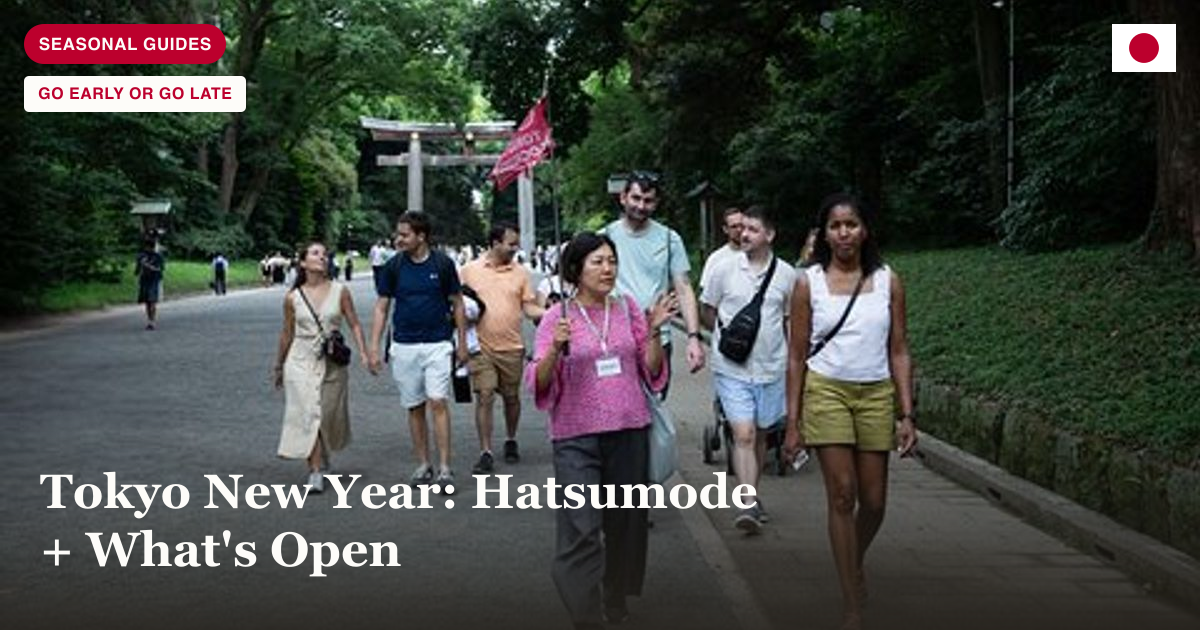
Meiji Jingu pulls an estimated 3 million visitors over Japan’s New Year period, more than any other hatsumode site in the country, while most small shops and family restaurants shut down for the same three days. The trip works if it’s planned around that split, not against it.
Verified: August 27, 2026.
What hatsumode actually is
Hatsumode is the year’s first shrine or temple visit, traditionally made in the first three days of January to pray for the year ahead. It’s less a tourist spectacle than a genuine national ritual, most of Japan makes some version of this trip, which is exactly why Tokyo’s biggest shrines get overwhelming on January 1st specifically.
Meiji Jingu: understand it before you’re standing in the crowd
Arriving cold to a 3-million-visitor crowd without context is a rough way to experience hatsumode. Tokyo: Meiji Jingu Historical Walk and Food Tasting Tour (¥3,004 ($18.57)) covers the shrine’s history and the ritual’s meaning ahead of a visit, worth doing in the days before New Year’s Day itself rather than fighting the peak crowd for context you could’ve gotten beforehand.
Harajuku Meiji Shrine Walking Tour (¥4,045 ($25)) pairs the shrine with the surrounding Harajuku district, a reasonable half-day if hatsumode itself is one stop on a broader Tokyo day rather than the whole point.
If the crowd itself isn’t the goal, skip January 1st
The genuine hatsumode crowd peaks hardest in the first 24-48 hours of the year. Visiting Meiji Jingu (or a smaller neighborhood shrine, which sees a fraction of the crush with the same ritual) on January 2nd afternoon or January 3rd gets most of the atmosphere without the multi-hour queue to reach the inner shrine. Smaller shrines across the city, not just Meiji Jingu, host the same first-visit tradition, worth considering if the goal is the ritual rather than specifically Tokyo’s biggest one.
What actually stays open: teamLab
This is the week’s real planning trap: many small restaurants and family-run shops close January 1-3, but Tokyo’s major indoor attractions don’t, and they get busy precisely because travelers default to them once they find the corner ramen shop shuttered. teamLab Borderless Tickets (¥3,720 ($22.99)) and teamLab Planets TOKYO Ticket (¥3,590 ($22.19)) run through the holiday period and book out fast for exactly this reason, reserve ahead rather than assuming a walk-up slot over New Year’s week.
Tokyo: TeamLab Borderless & Roppongi Hills Skyline Tour (¥22,529 ($139.25)) bundles the art museum with a skyline viewpoint, a reasonable pick for a countdown-adjacent evening if a Tokyo Tower or Skytree ticket alone feels thin for the price.
The shutdown, in practical terms
Convenience stores, chain restaurants, and most train lines run on adjusted but functional schedules through January 1-3. What actually closes: independent restaurants, neighborhood shops, and some smaller museums, many family-run businesses take the full three days as their one annual break. Build meals around chains and department store restaurant floors (most reopen January 2-3) rather than counting on a specific local spot being open.
Booking hotels for this week
New Year ranks alongside spring’s Golden Week as Tokyo’s tightest hotel market, rates climb through December and availability at popular areas (Shinjuku, Shibuya, areas near Meiji Jingu) thins out weeks ahead of the date. Book 2-3 months out if the dates are fixed; the hotel picker tool filters current Tokyo listings by area and price if there’s still flexibility.
Pairing with a day trip
If the January 1-3 shutdown makes a slower Tokyo day less appealing, it’s a reasonable window for a day trip out of the city instead, save the shrine visit for January 2nd or 3rd when the crowd thins and more of the city has reopened. Full transport comparisons for common day-trip routes are covered in Tokyo to Kyoto transport compared if the trip extends beyond Tokyo itself.
Verdict
Hatsumode at Meiji Jingu on January 1st is the full, crowded, genuine version, worth doing once. A quieter shrine or a January 2-3 visit gets most of the atmosphere without the multi-hour queue. Either way, book teamLab and hotels ahead, and plan meals around what’s actually open rather than assuming Tokyo runs on its usual schedule this week.
Prices verified as of August 27, 2026.
Book these while you’re there
Tokyo: Nikko Day Trip with Lake Chuzenji Boat Ride
Asakusa Kimono & Furisode Rental Experience (Tokyo / Provided by Wasou Komachi Kanon)

Tokyo: Make Your Own Chopsticks Shibuya
Tokyo: Daikoku PA JDM Car Culture Tour with Hotel Pickup
Asakusa Kimono&Yukata Rental at Kimono Miyabi Asakusa in Main Branch

Tokyo Private Curated Tour | Unique Insights & Must Sees
Nissan GT-R (R35) – 630 HP JDM Performance Experience
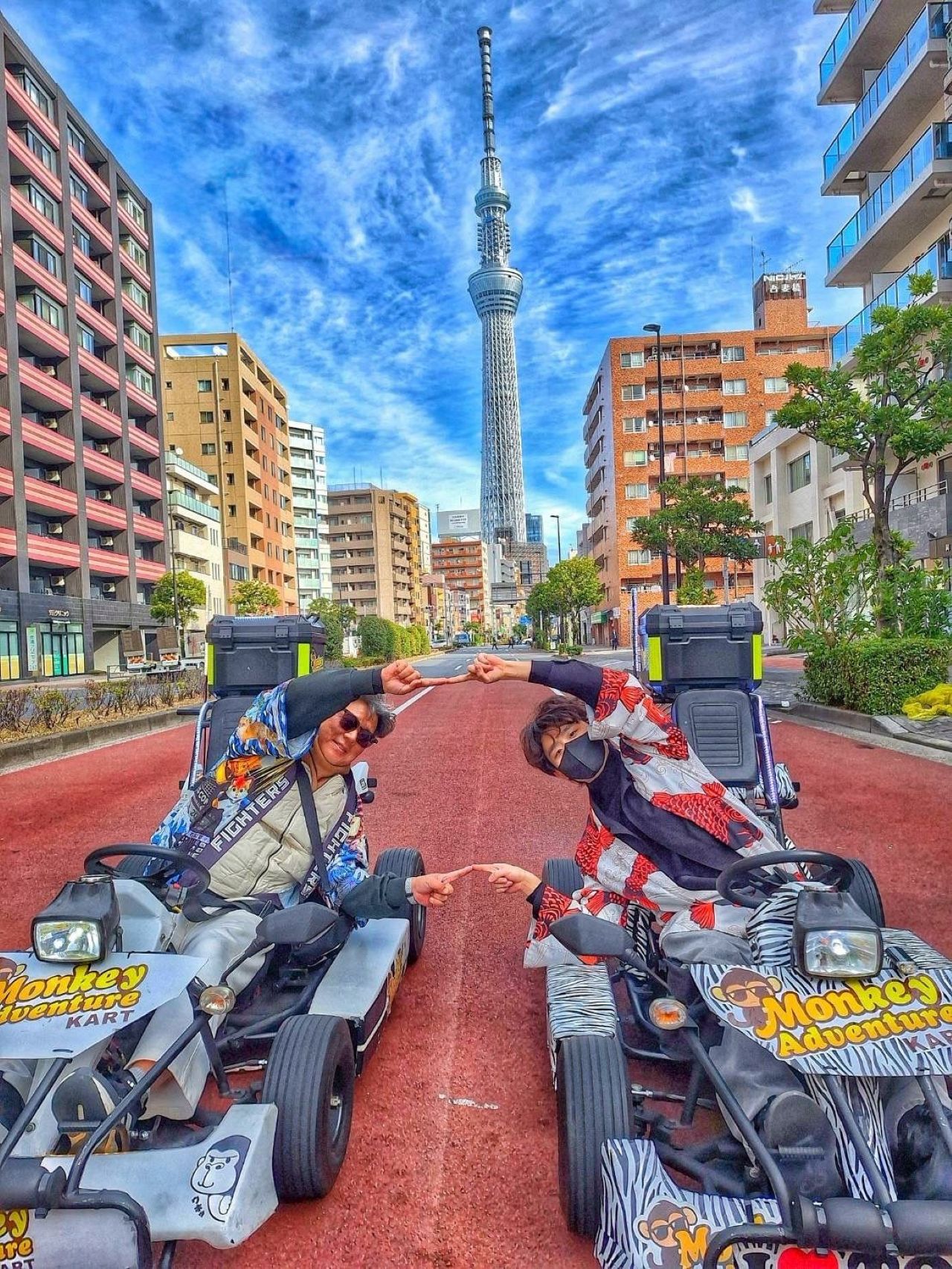
Asakusa to Akihabara Go-Kart Tour:Tokyo's Historic & Modern Landmark
Hilton Tokyo Narita Airport
save ¥7,910 vs sell price
Check rate#tokyo#new year#meiji jingu#klook#getyourguide
Frequently Asked Questions
Is Tokyo worth visiting over New Year?
Yes, but plan around the shutdown, not against it. Hatsumode (the first shrine visit of the year) is a genuinely unique experience worth timing a trip around, but most small shops, many restaurants, and some smaller museums close January 1-3. Indoor attractions like teamLab stay open and get busy specifically because of this.
What is hatsumode?
The first shrine or temple visit of the new year, traditionally made in the first three days of January. Meiji Jingu is Tokyo's single busiest hatsumode site, drawing an estimated 3 million visitors over the period, most of Japan's shrines see a smaller version of the same rush.
Are hotels more expensive in Tokyo over New Year?
Yes, rates climb through late December as it's one of Japan's two biggest domestic travel weeks (the other is Golden Week in spring). Booking well ahead, ideally 2-3 months out, matters more for this week than almost any other time of year.
What's actually open in Tokyo on January 1st?
Major shrines, convenience stores, some train lines on adjusted schedules, and most tourist-facing attractions in areas like Odaiba and Shibuya. What closes: many family-run restaurants, small local shops, and some neighborhood businesses that take the full three-day new year break.